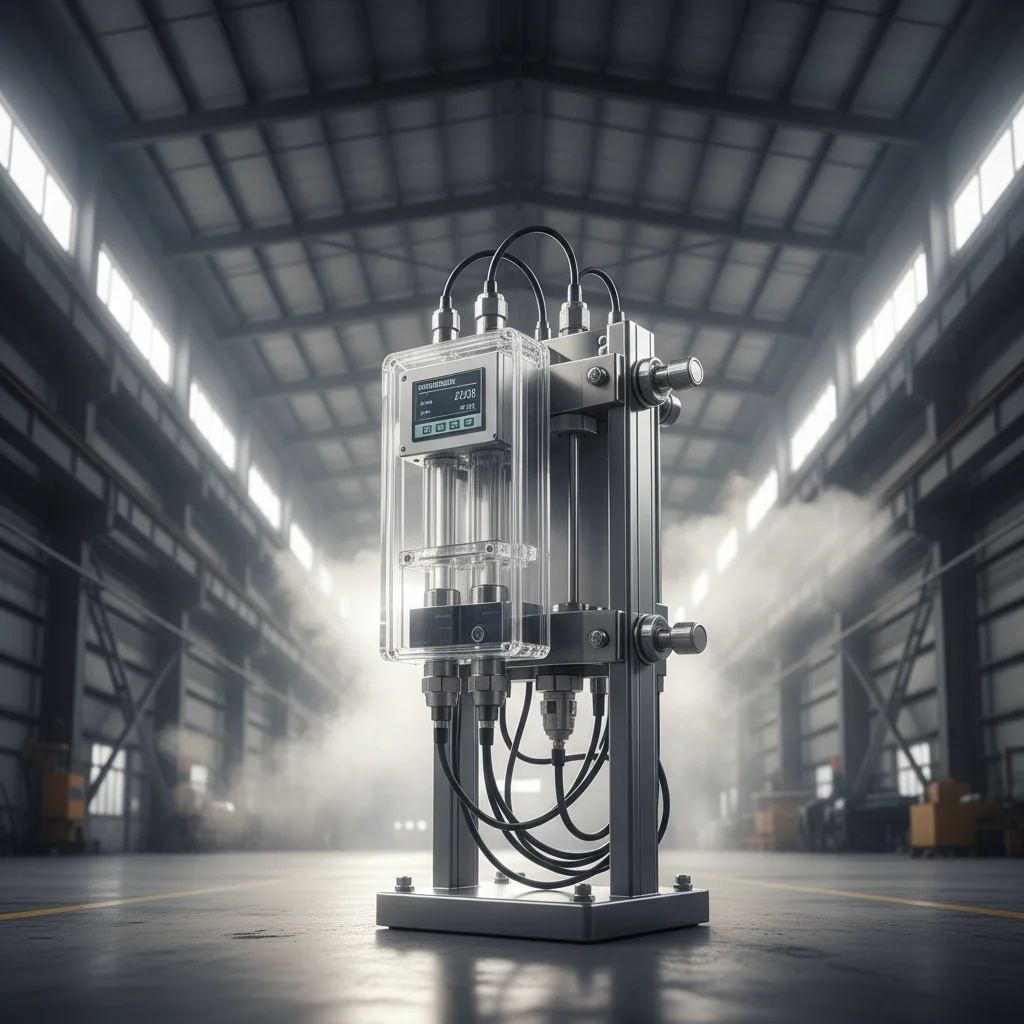
Maximizing Water Purity with a Total Chlorine Controller
Maintaining precise chemical levels is the cornerstone of effective water treatment. Whether you are managing a commercial swimming pool, an industrial cooling tower, or a wastewater facility, the use of a total chlorine controller is essential to ensure safety and compliance. These sophisticated systems automate the dosing process, eliminating the guesswork and human error associated with manual testing. By constantly monitoring both free and combined chlorine, these controllers prevent the buildup of harmful chloramines while ensuring sufficient disinfection. In this guide, we will explore how these systems operate and why they are a critical investment for any water management strategy.
How a Total Chlorine Controller Works
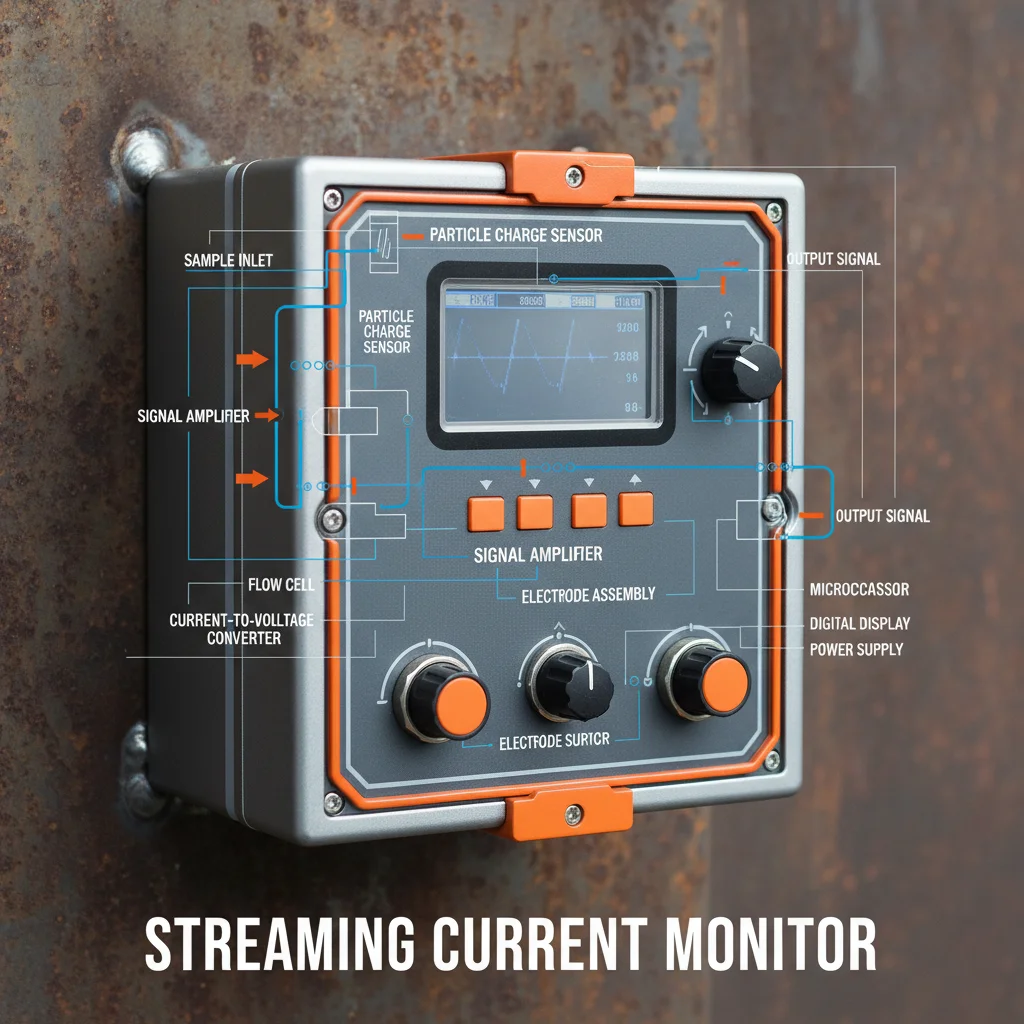
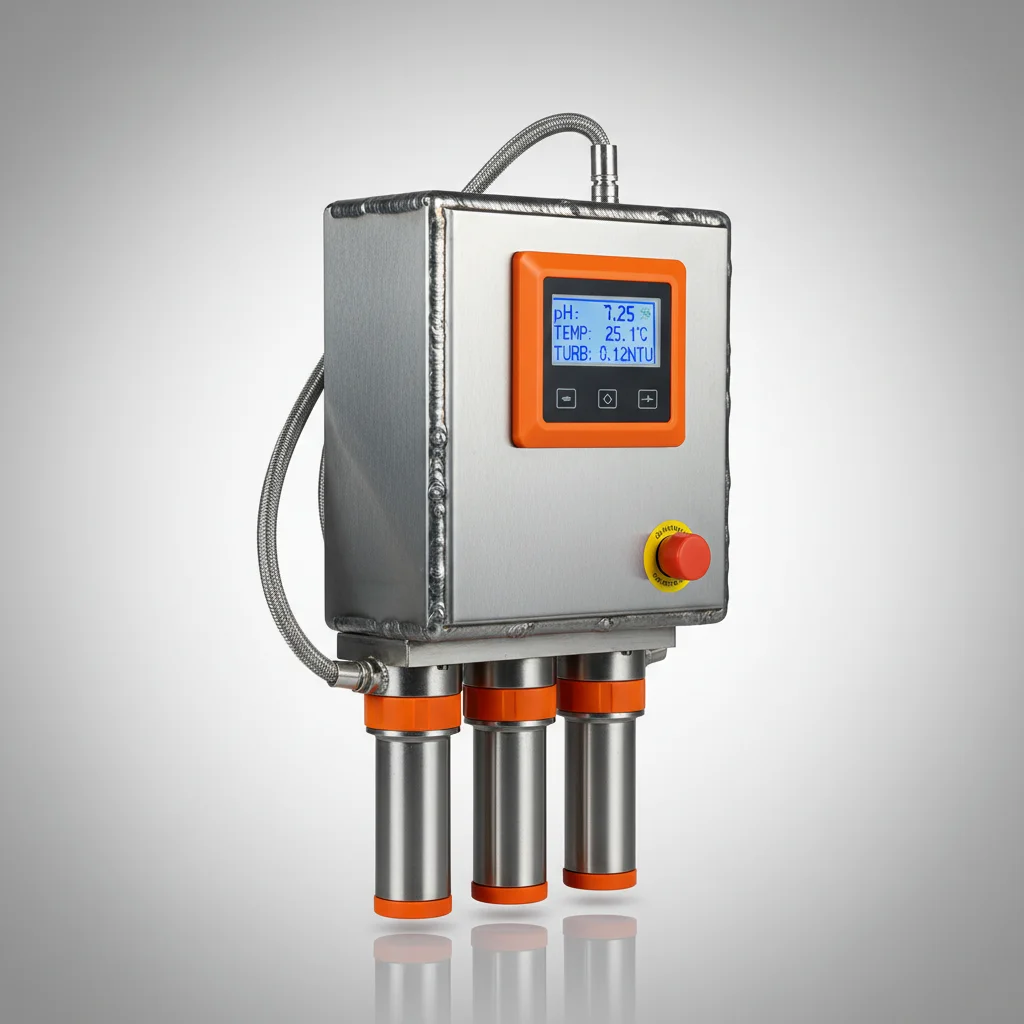
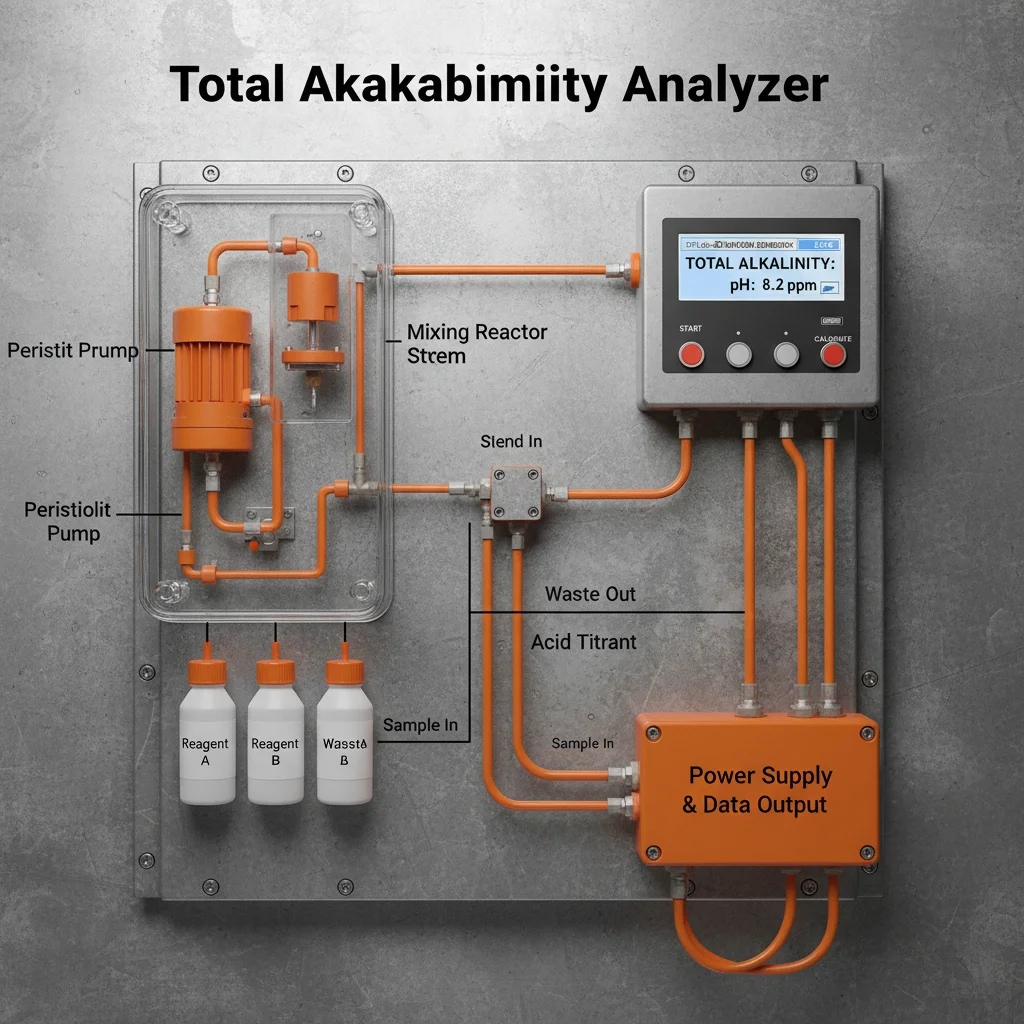
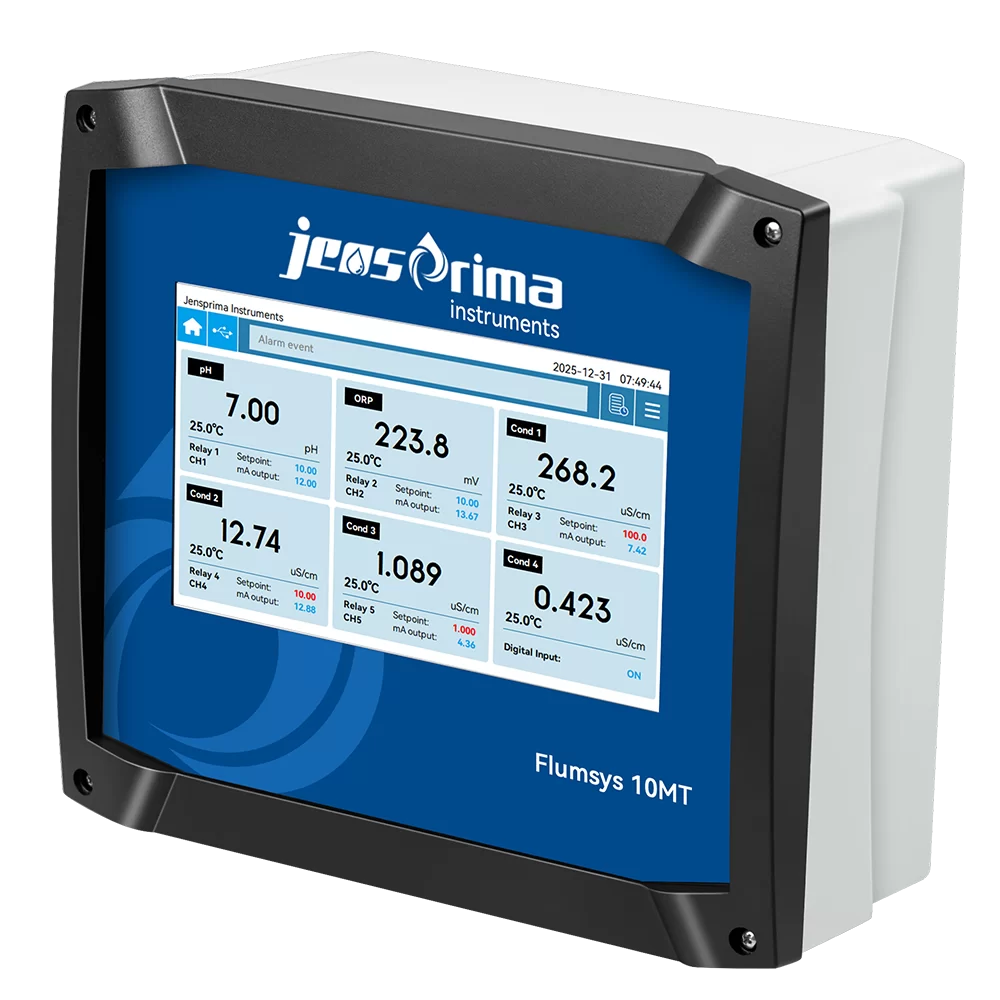
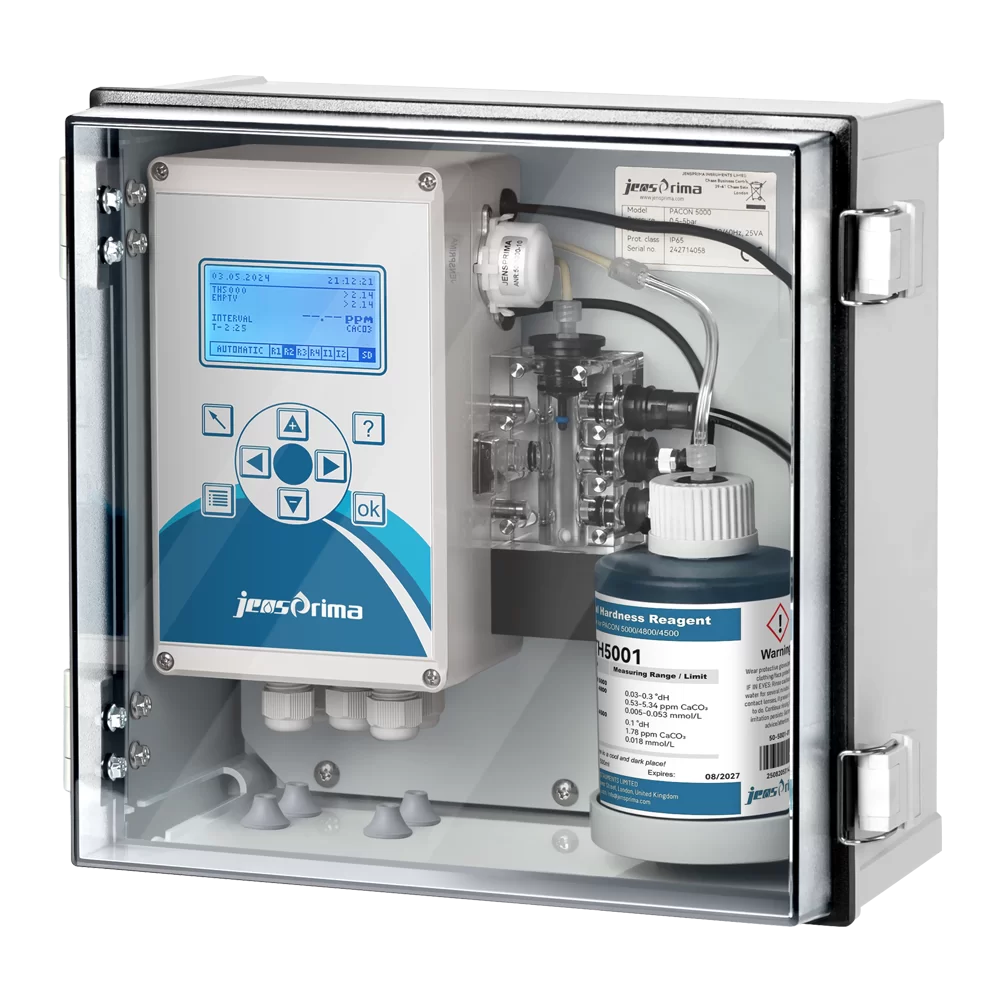
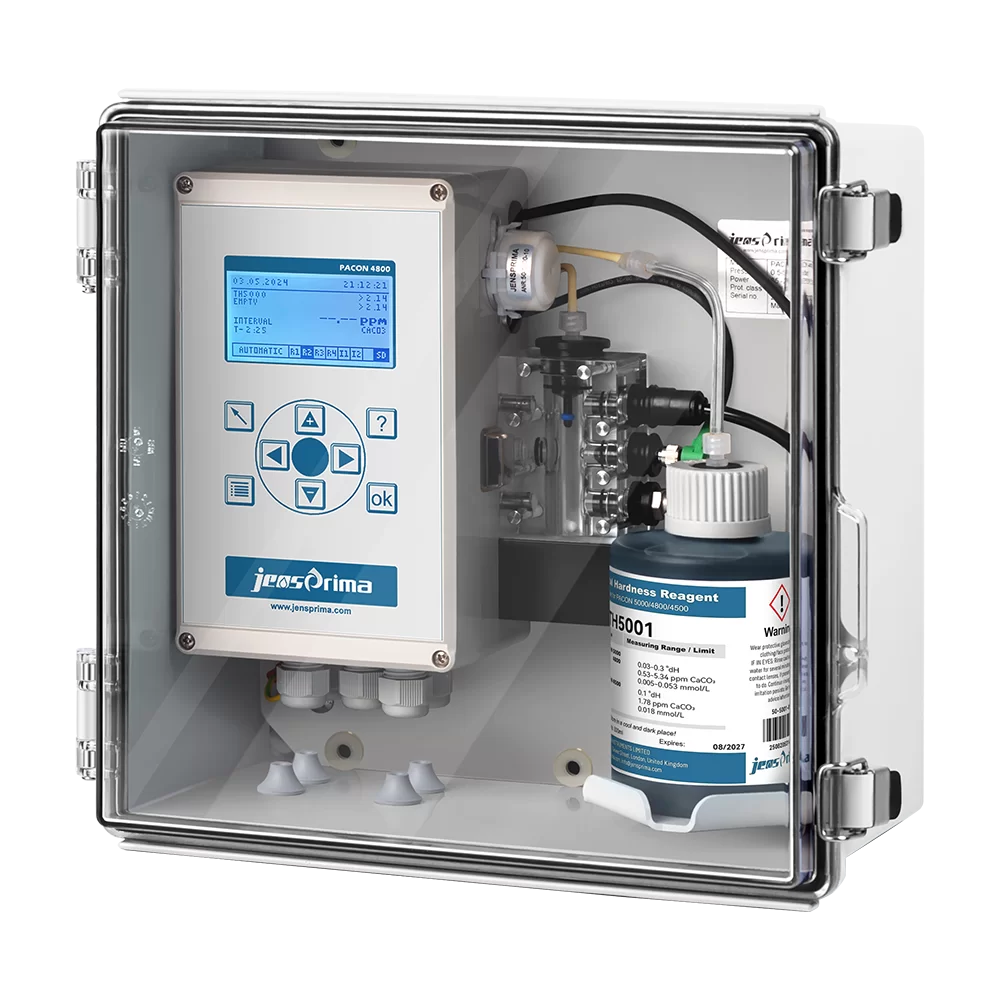
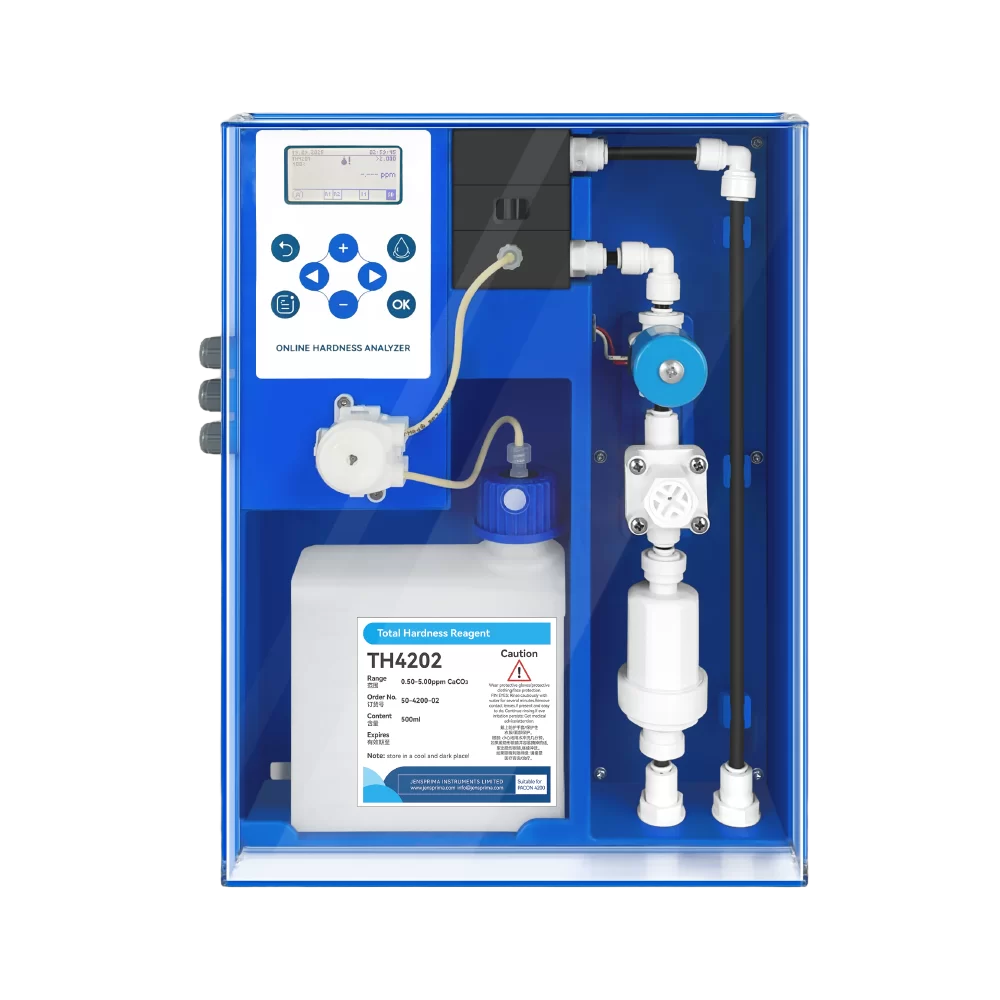
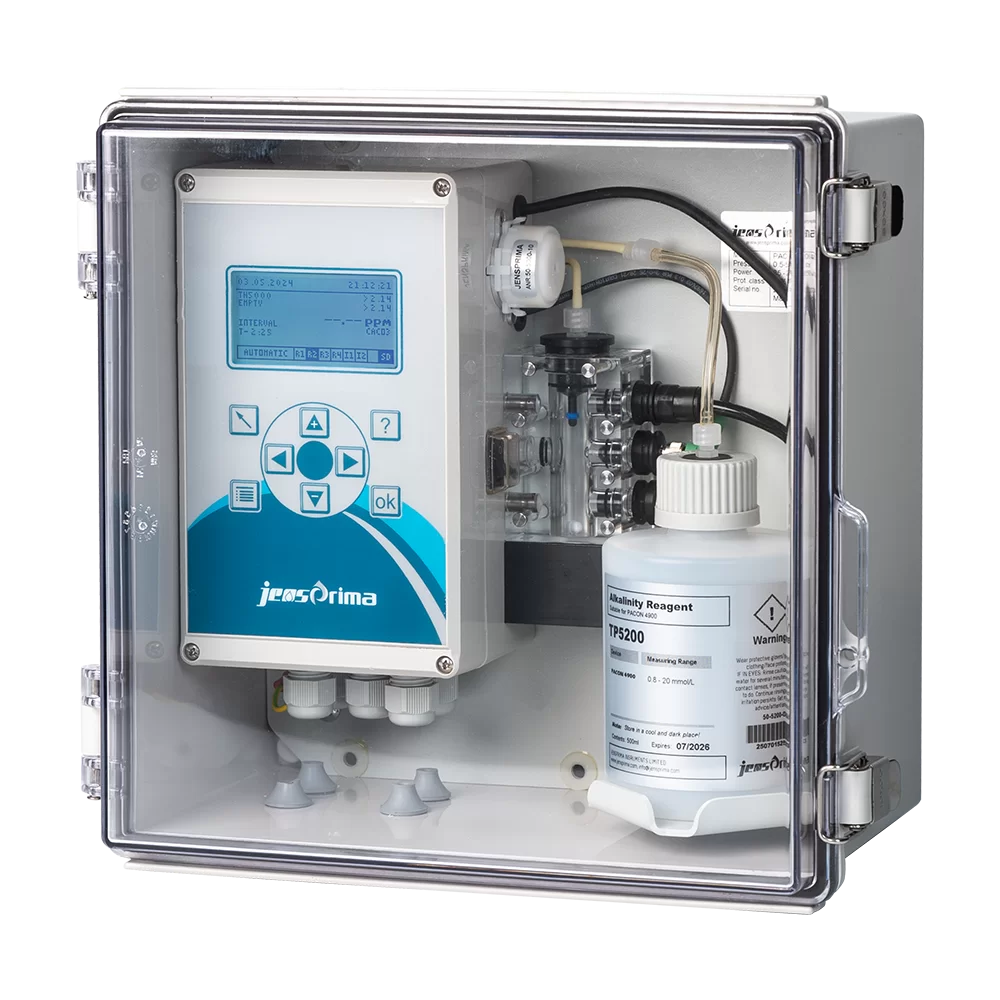
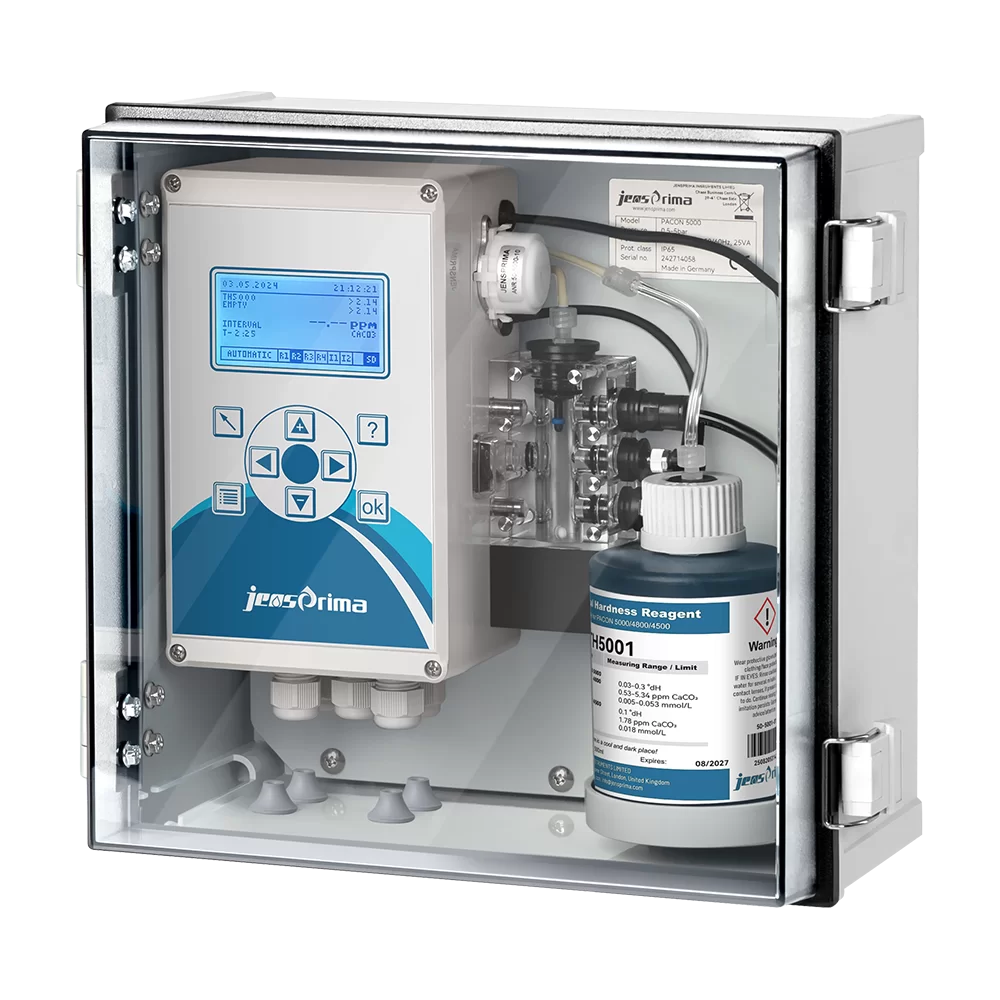
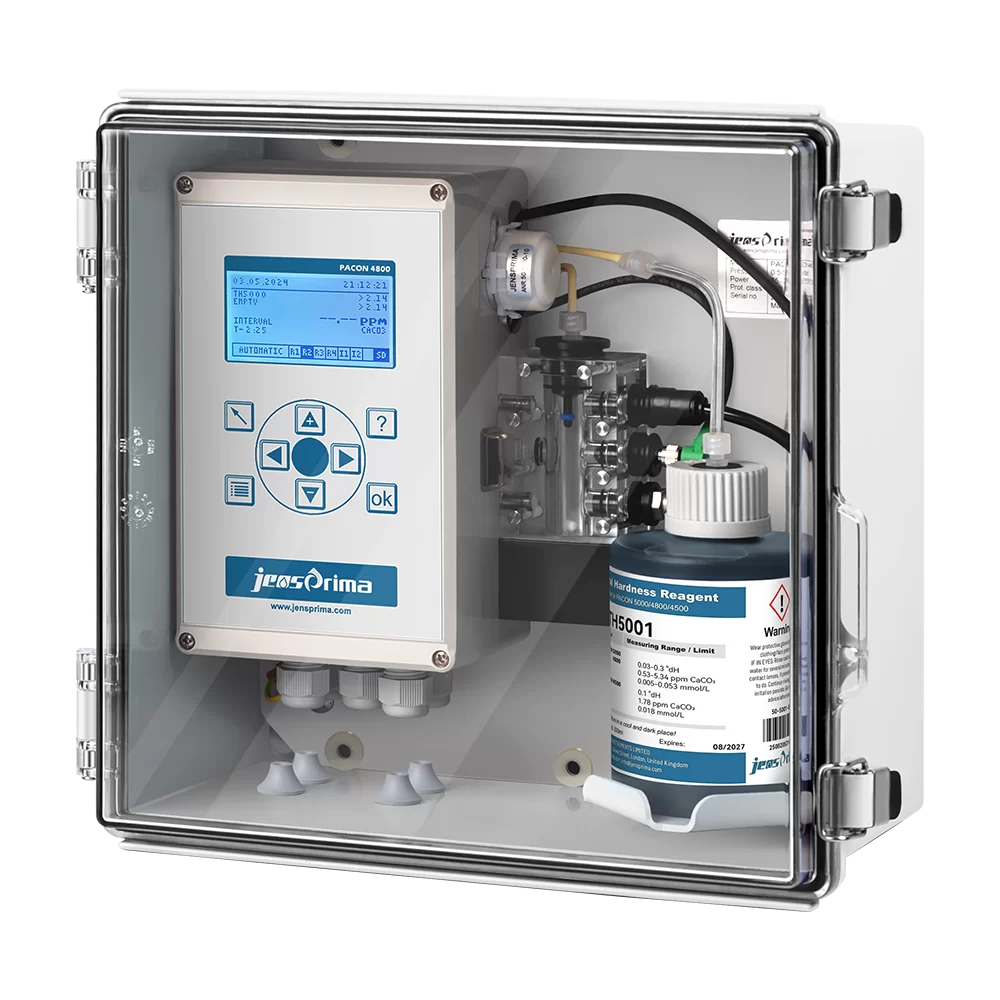
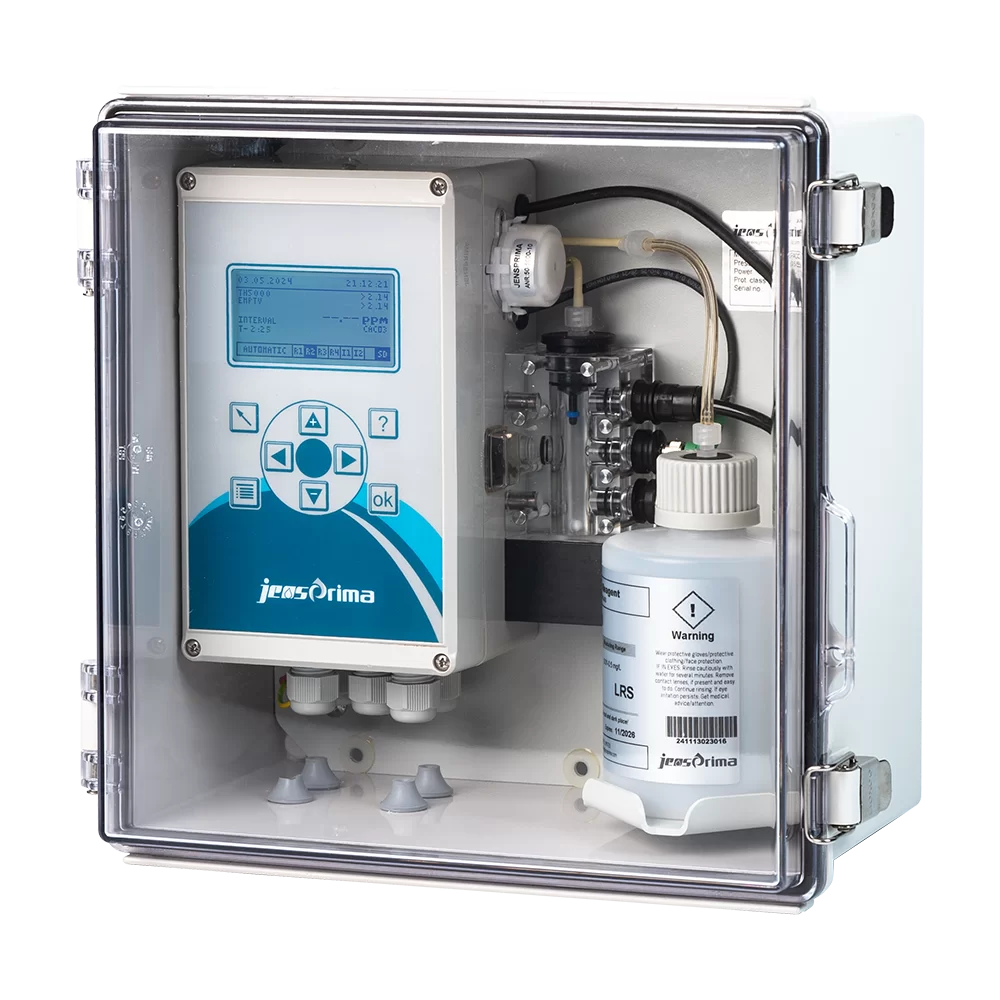
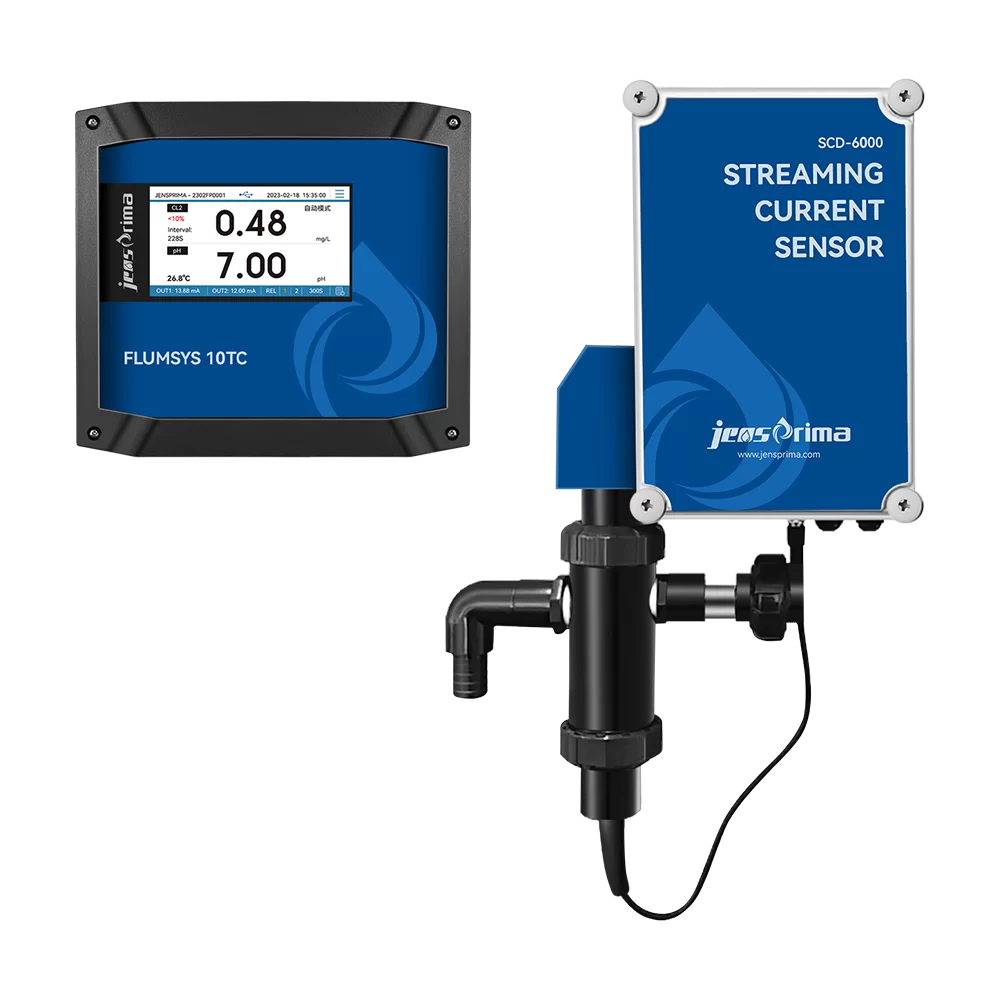
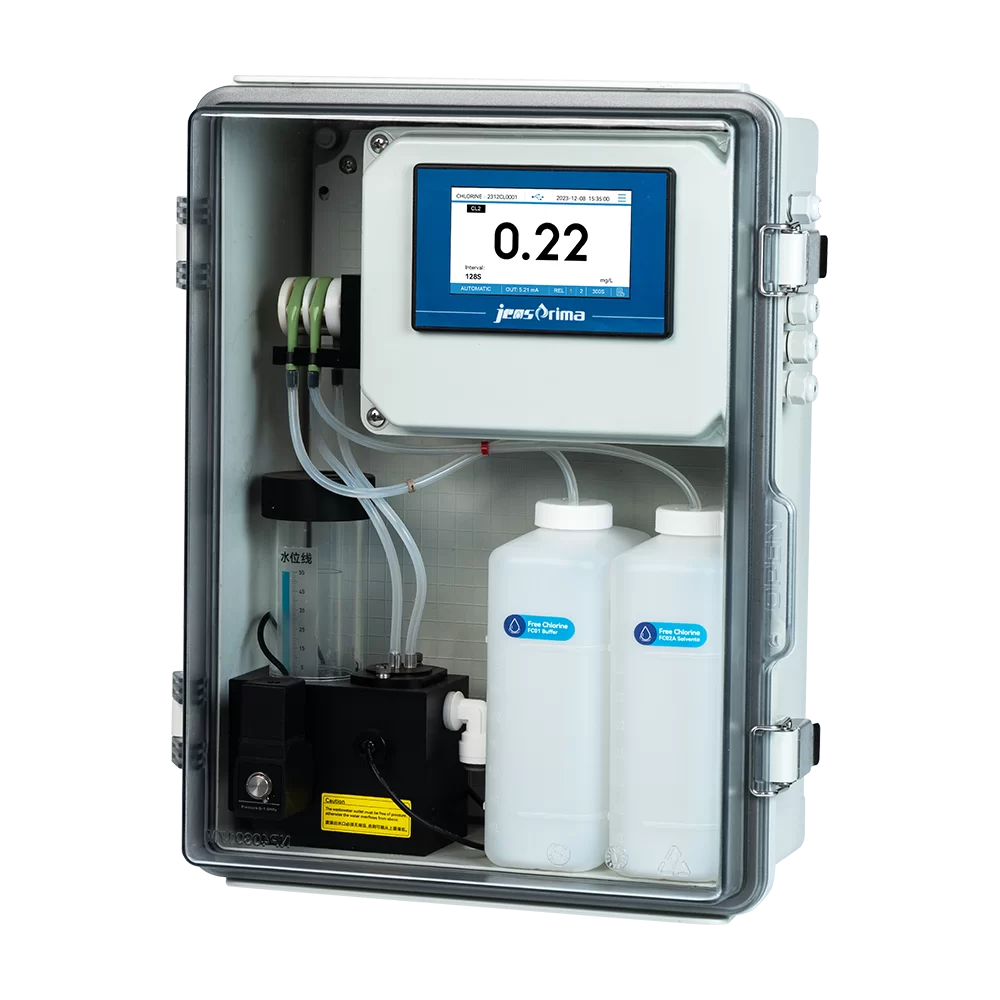
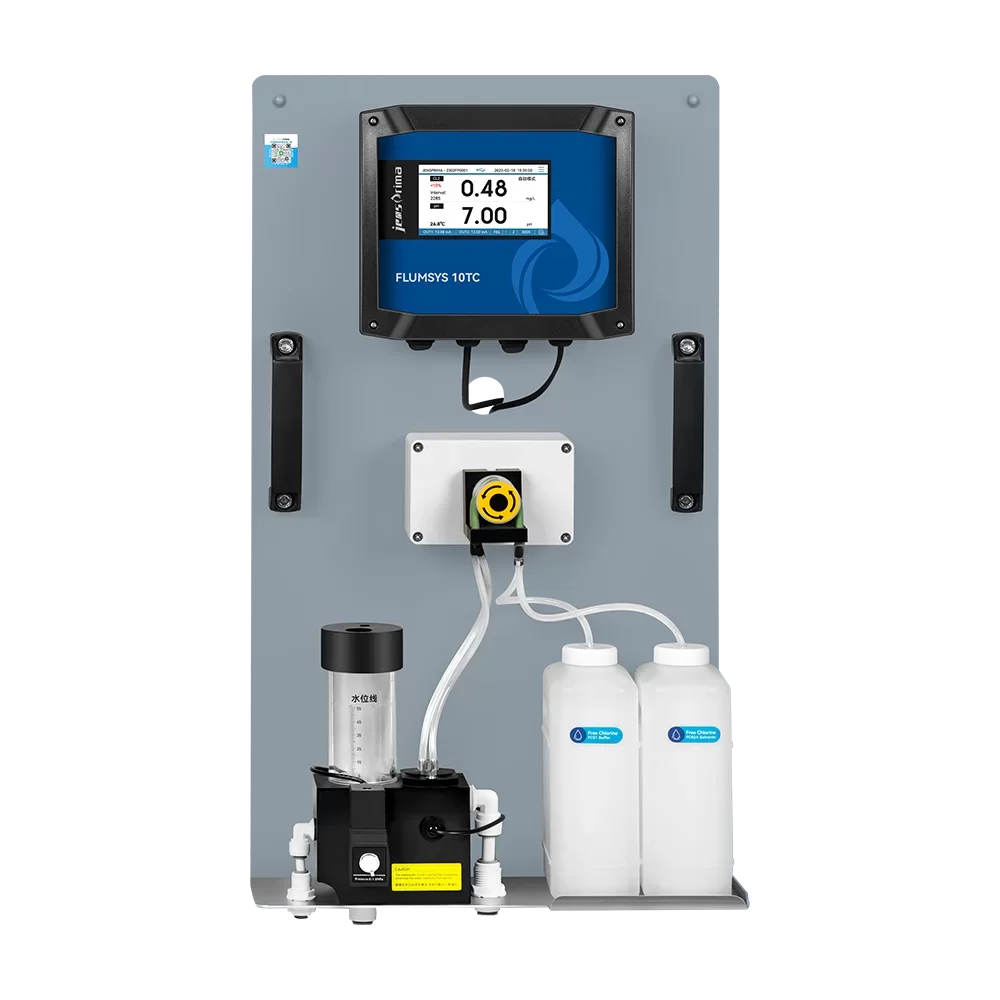
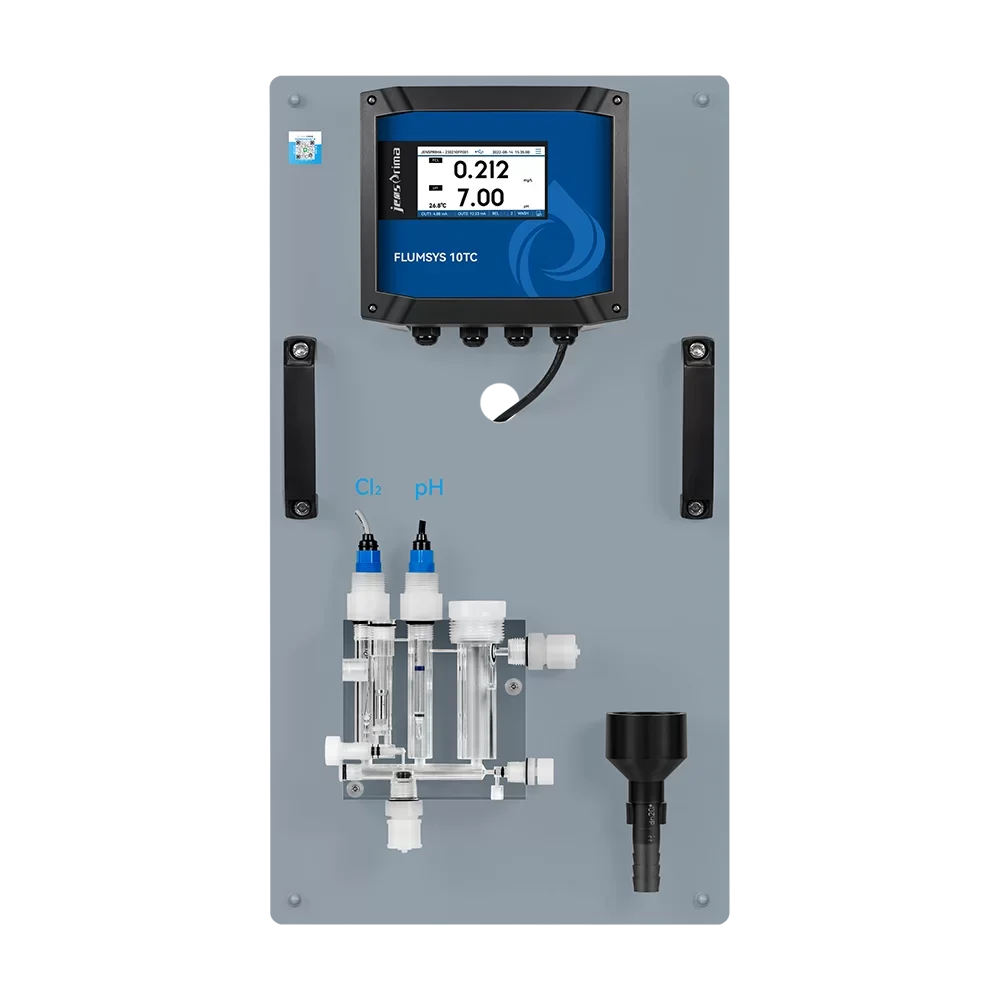
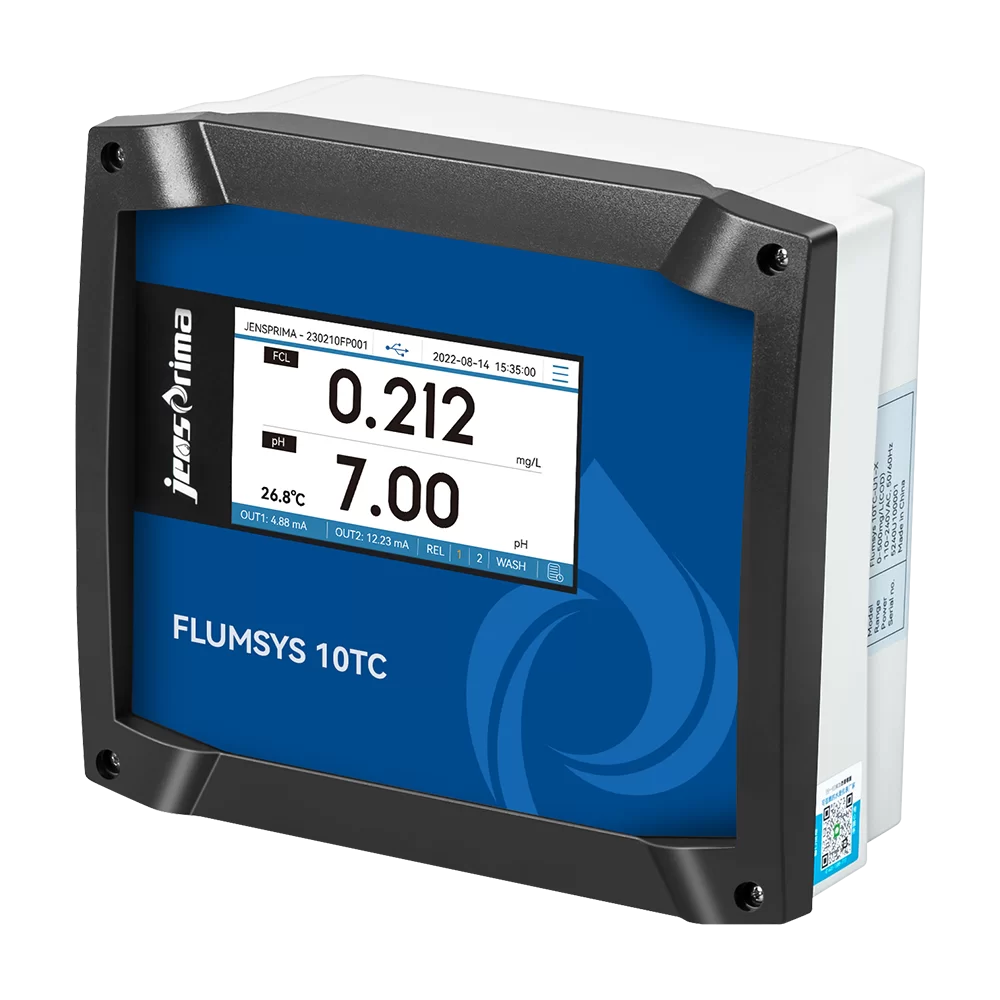
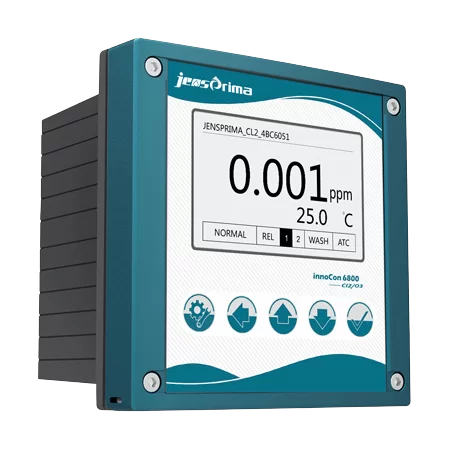
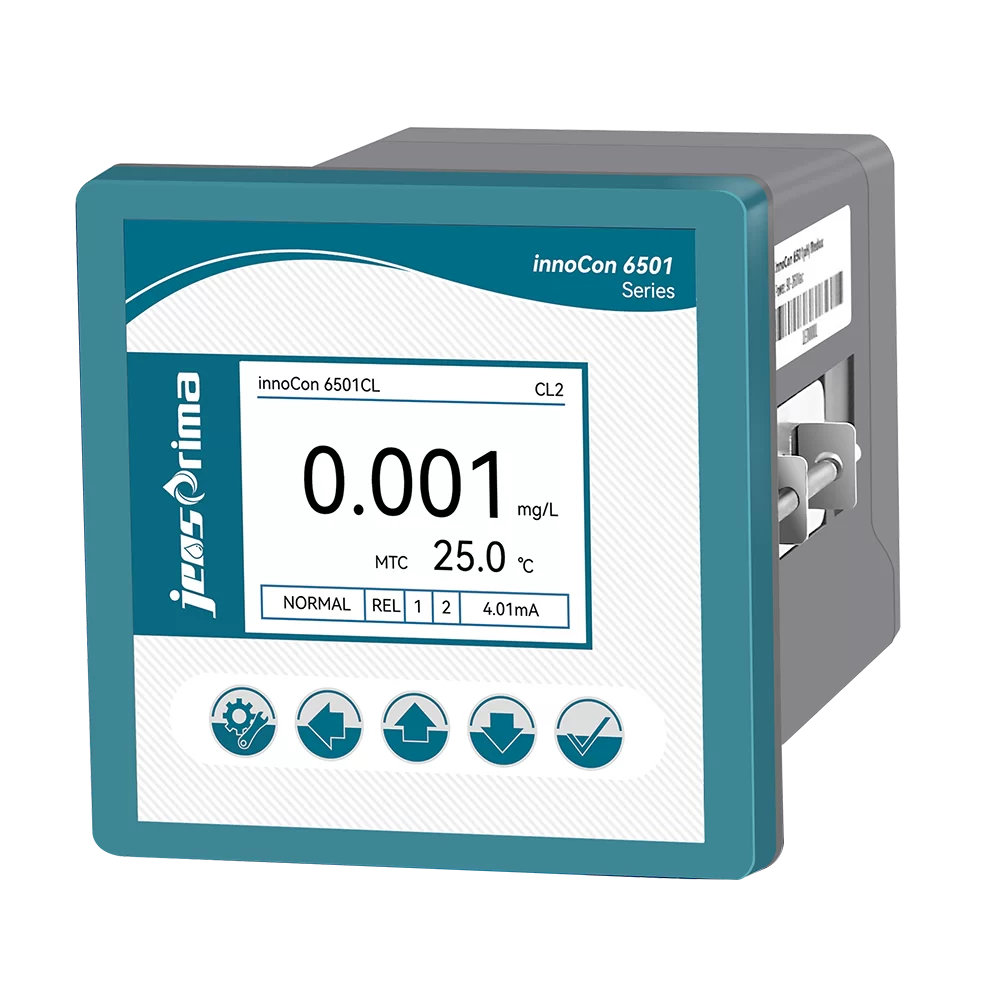
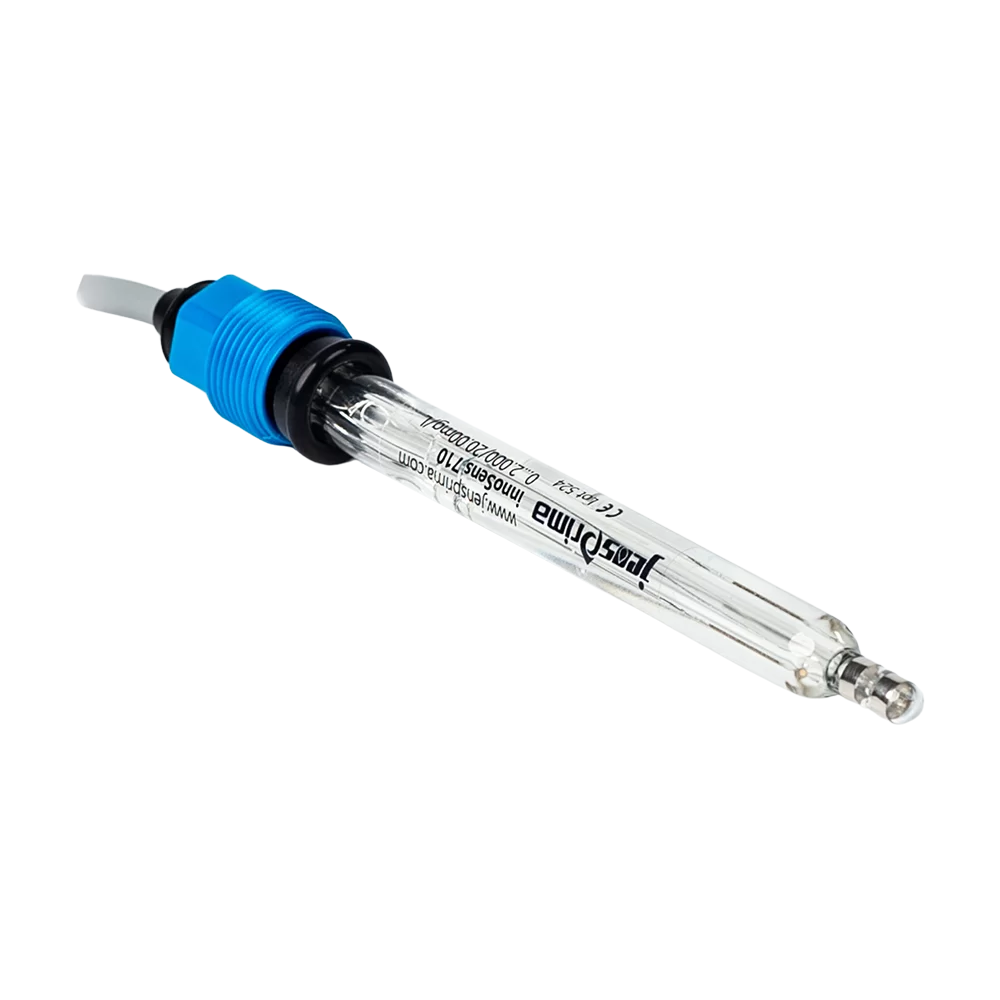
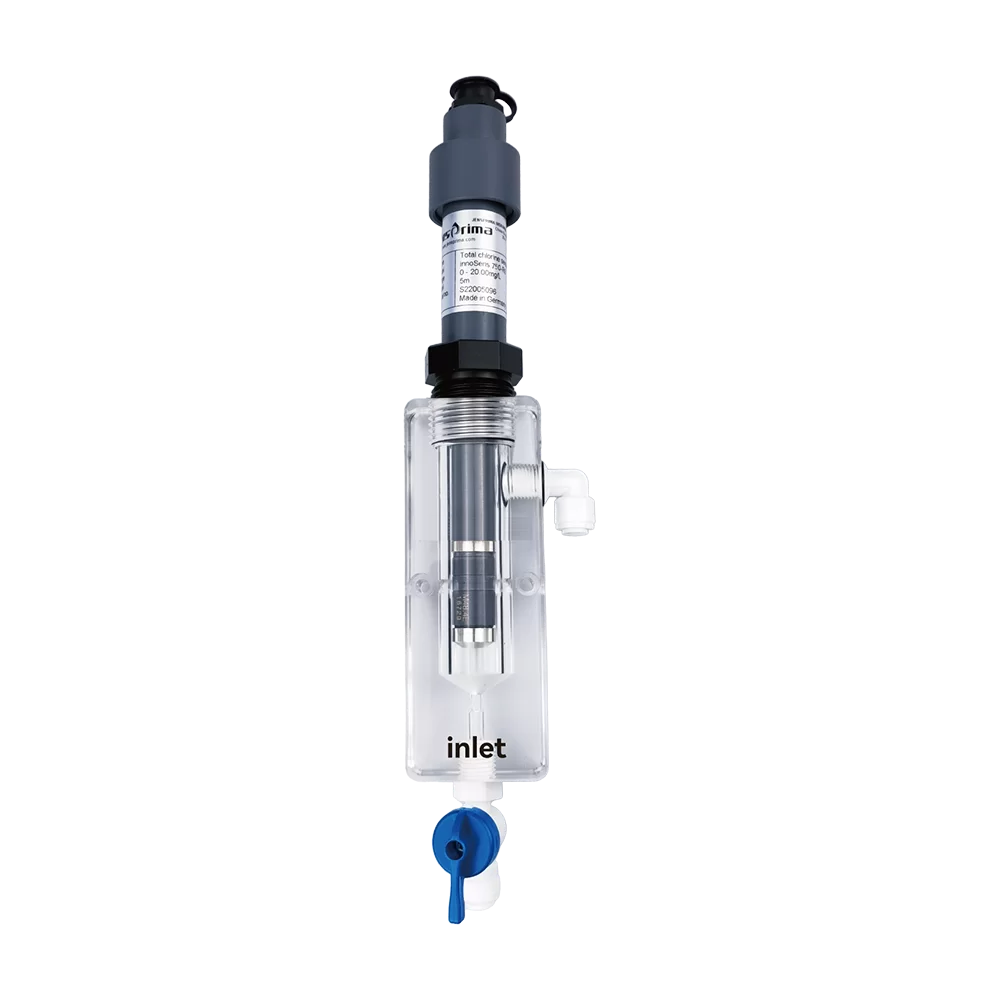
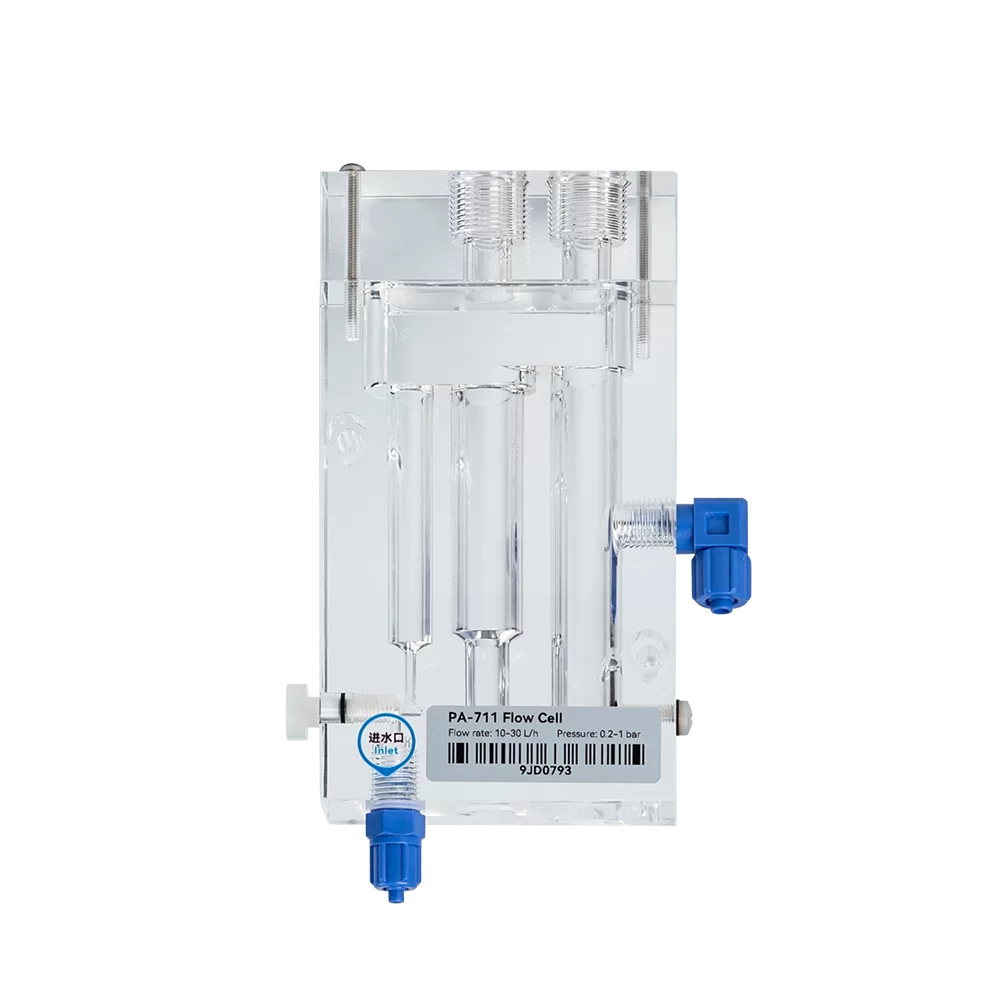
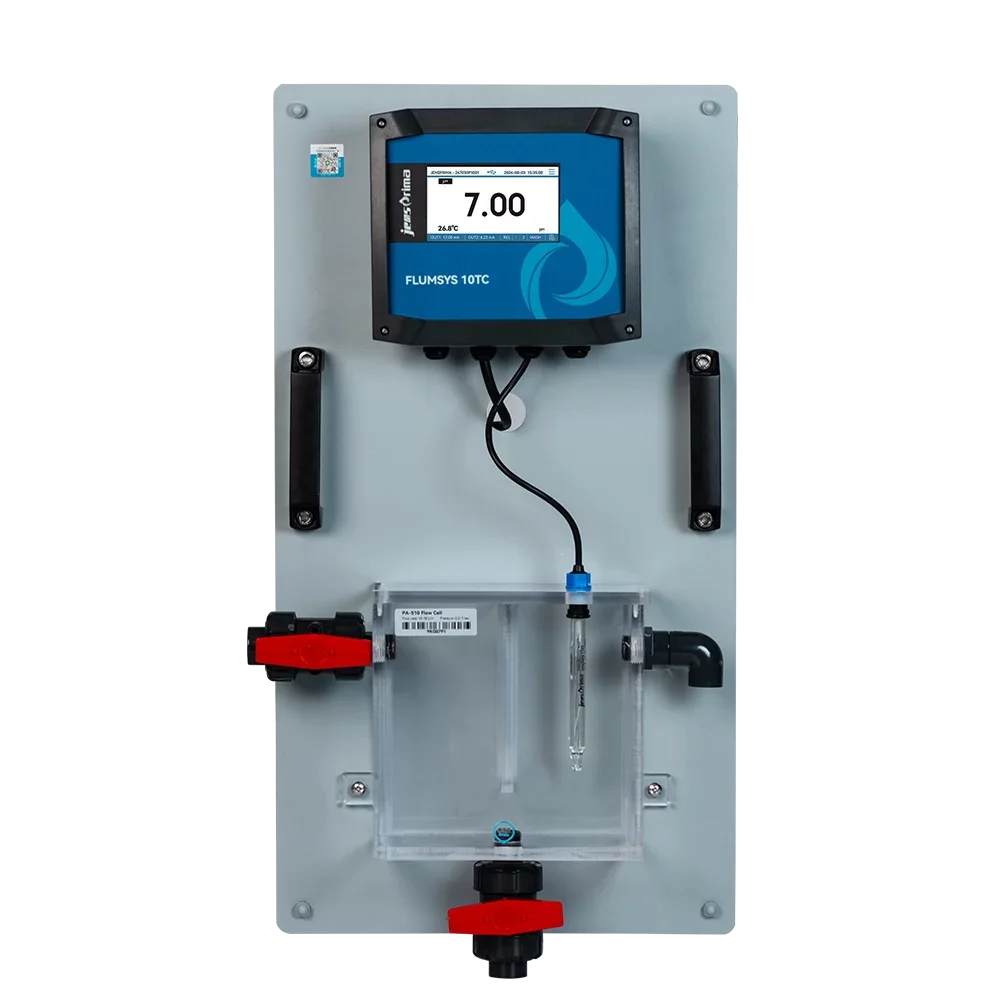
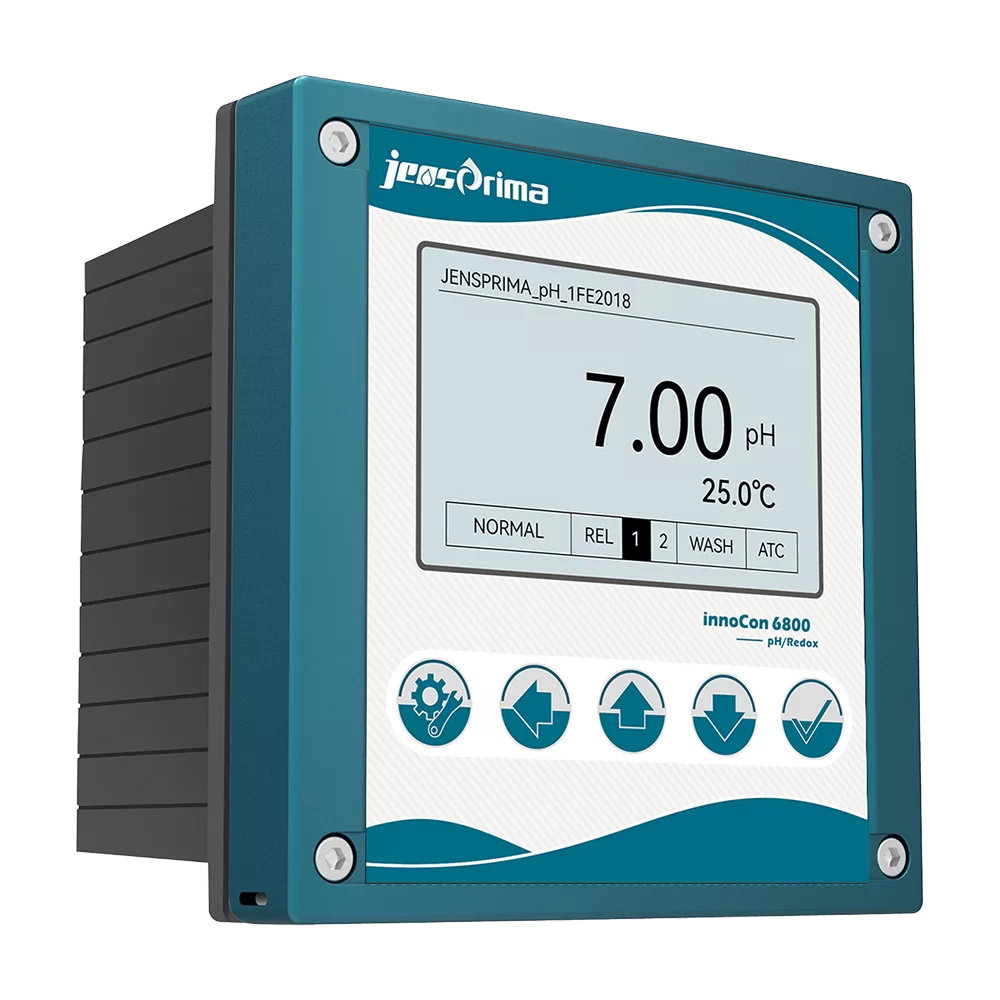
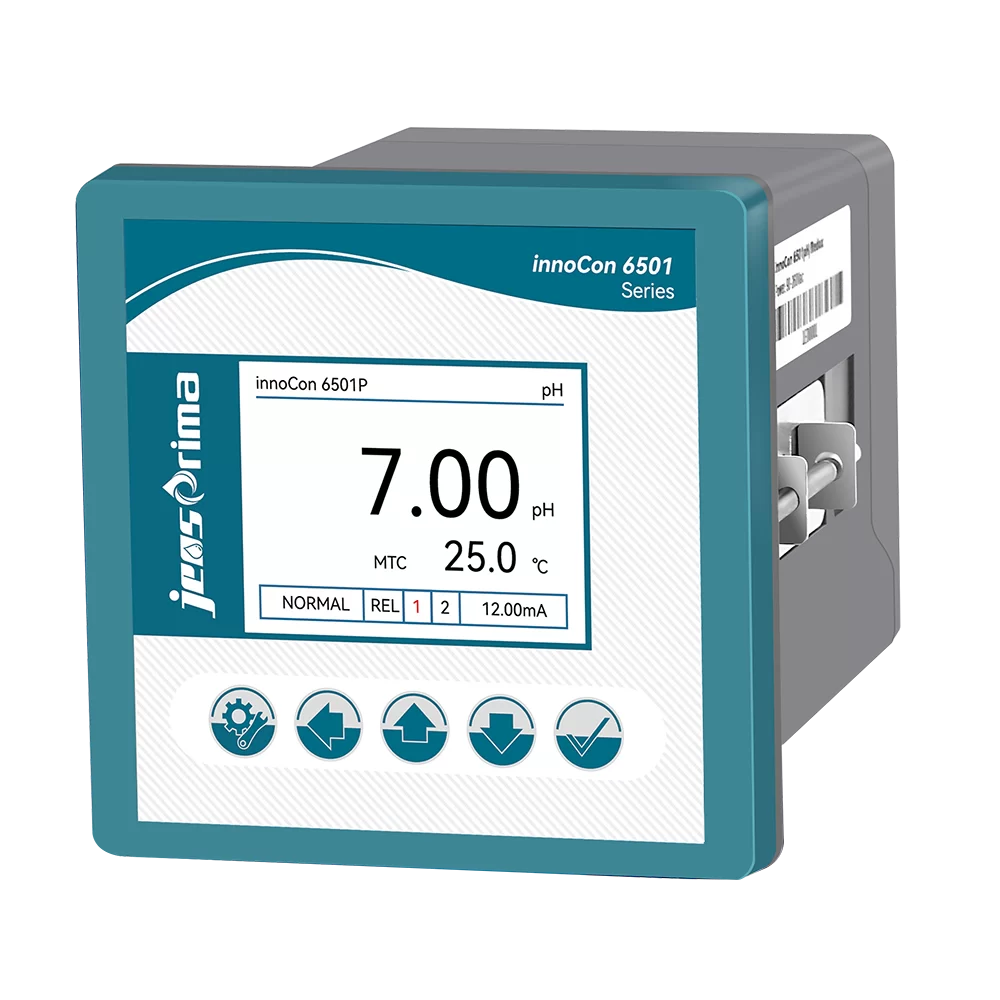
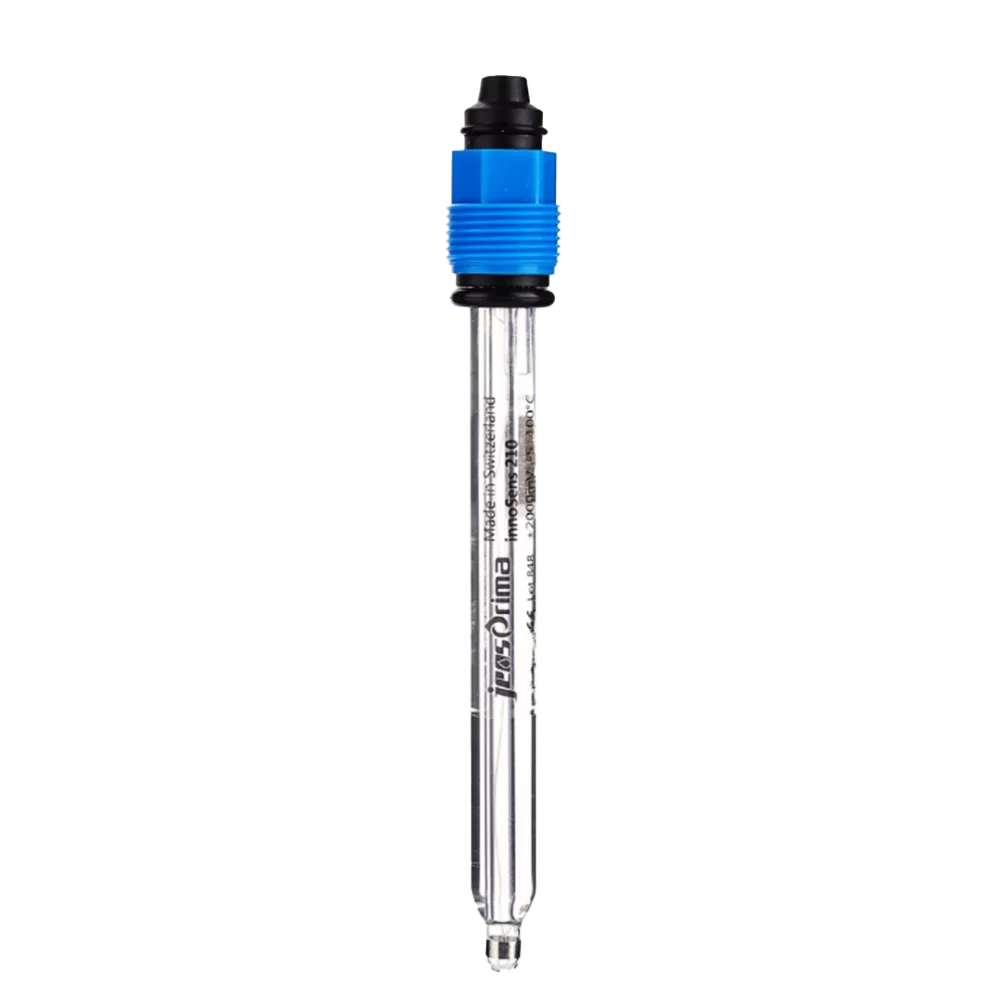
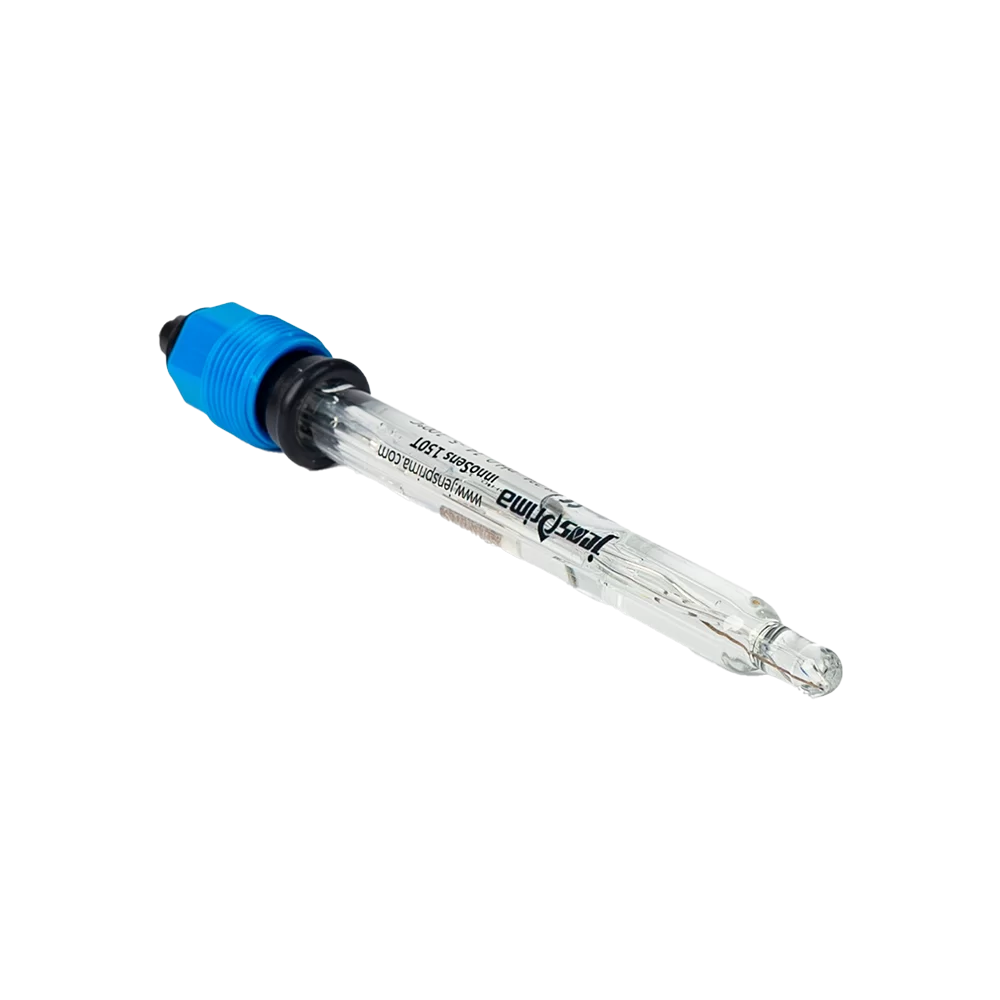
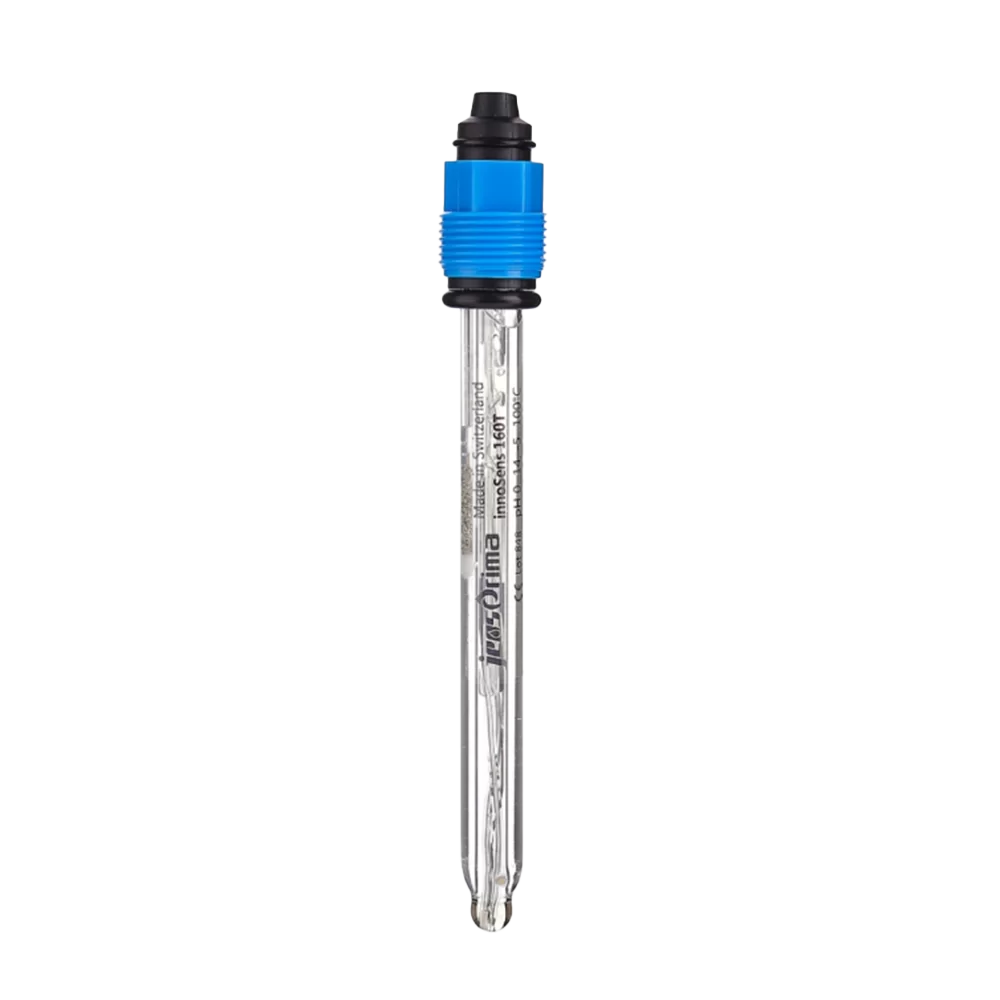
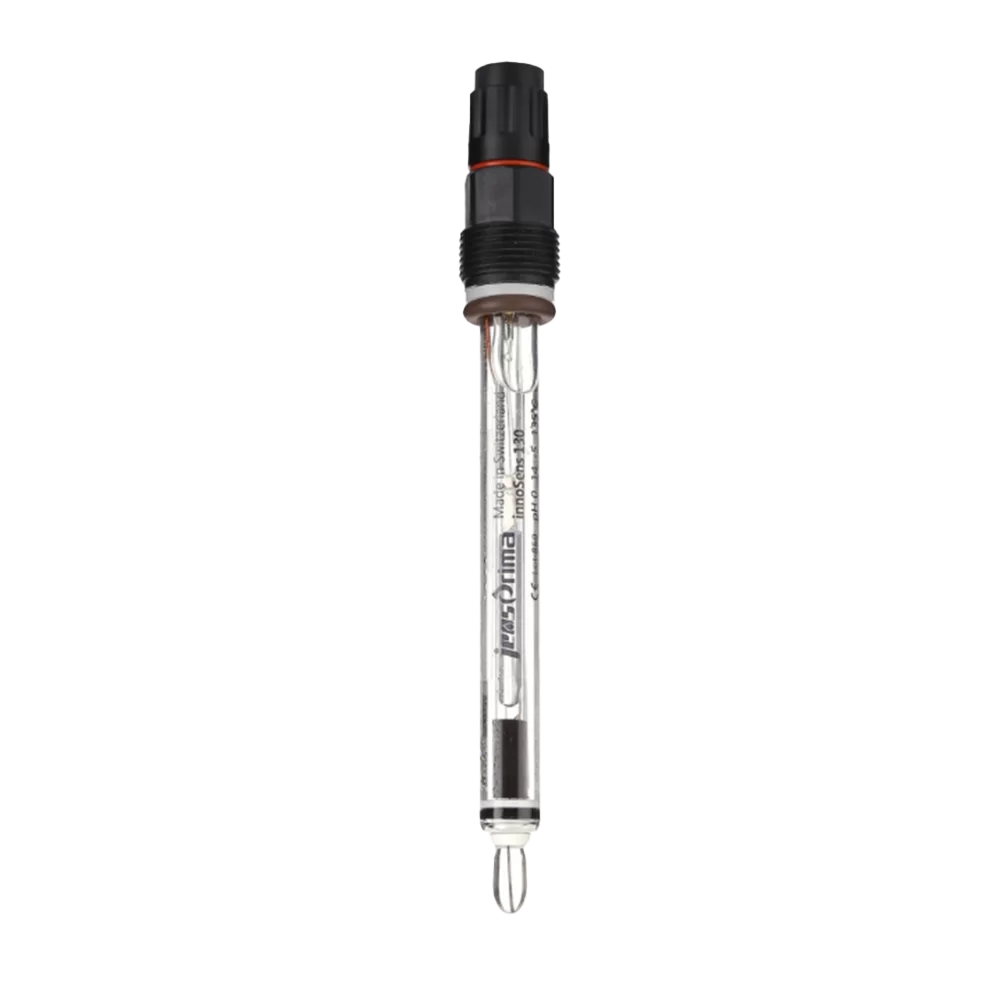
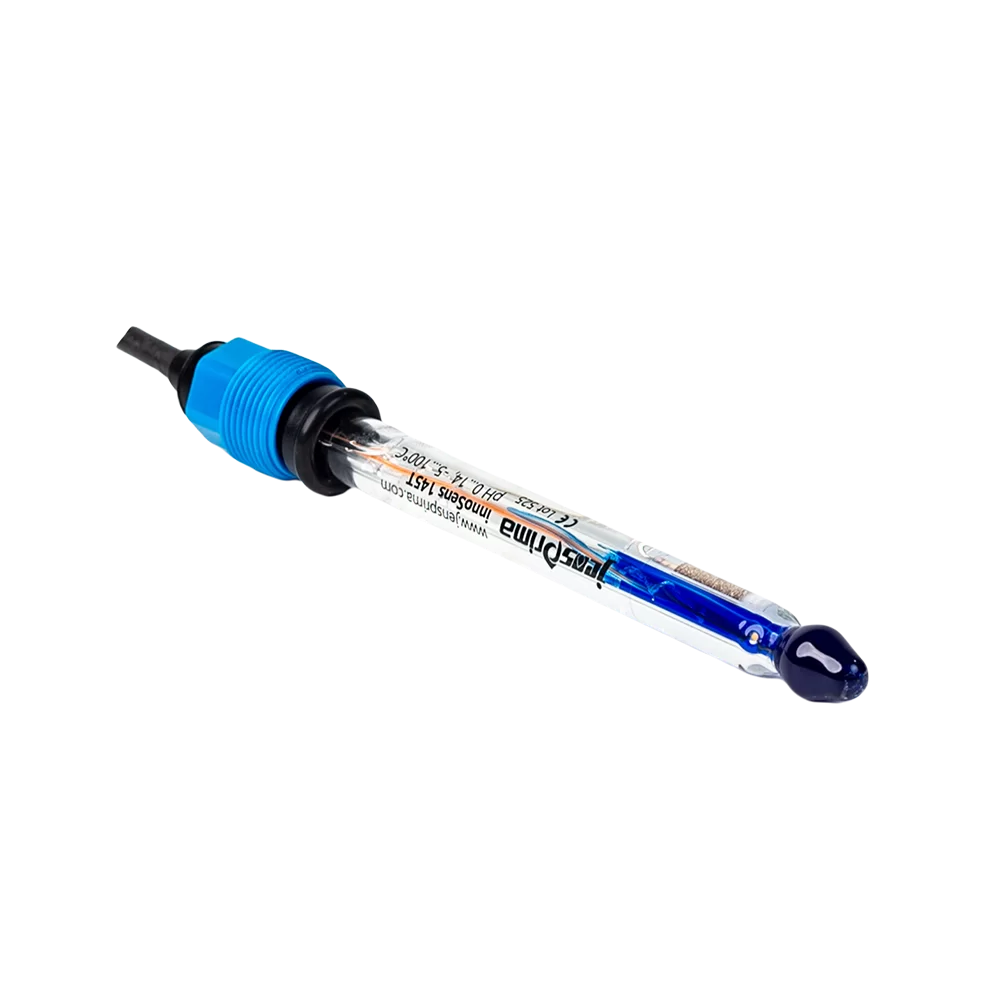
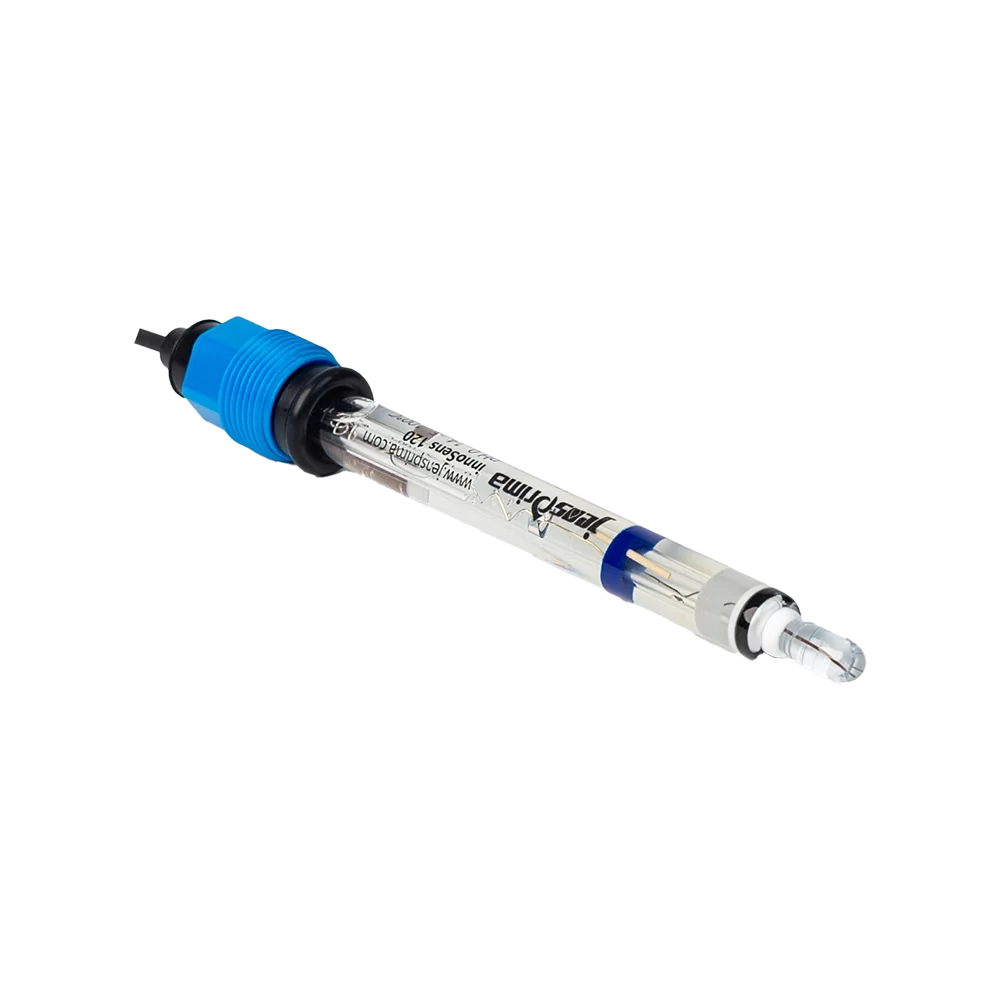
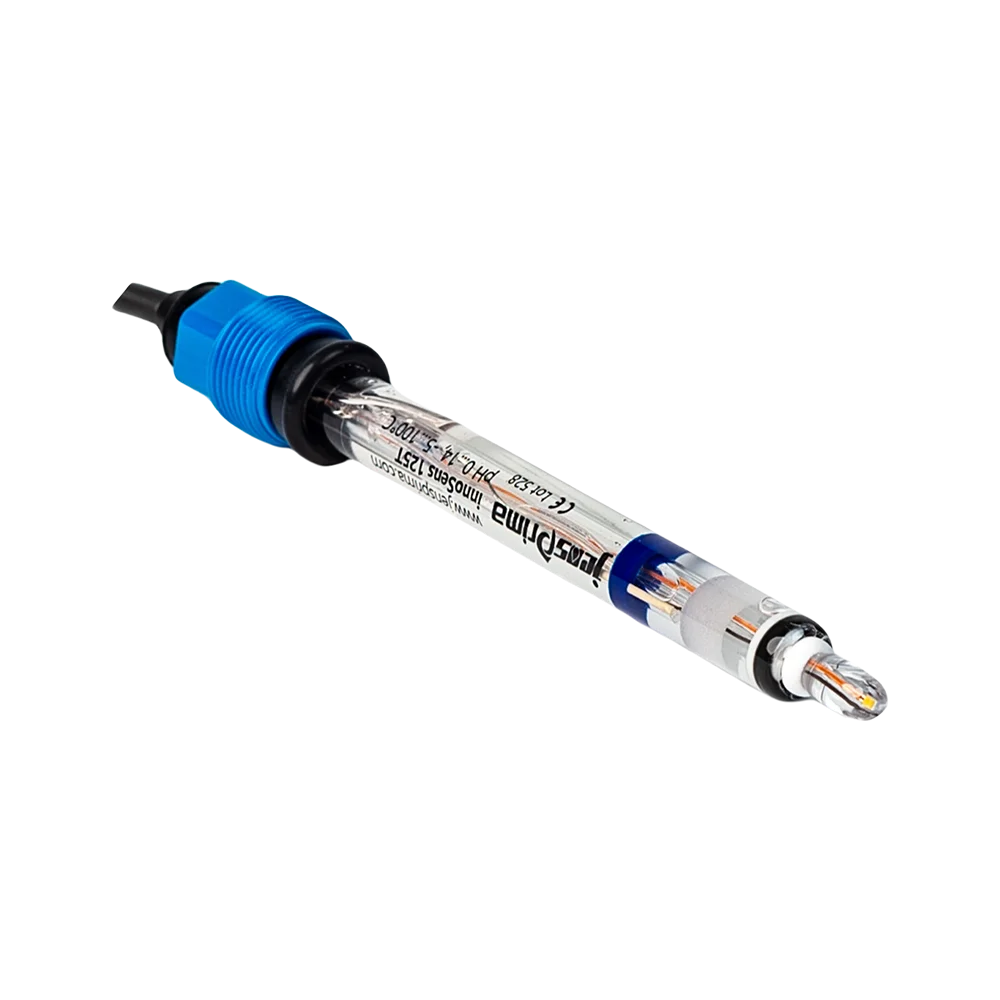
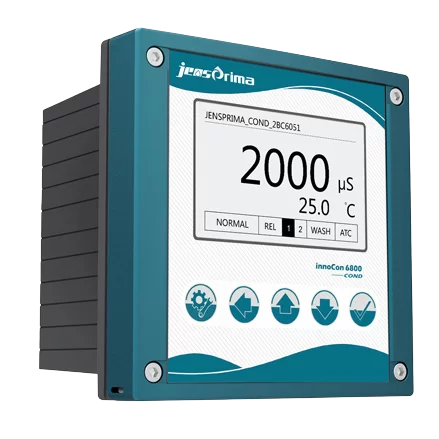
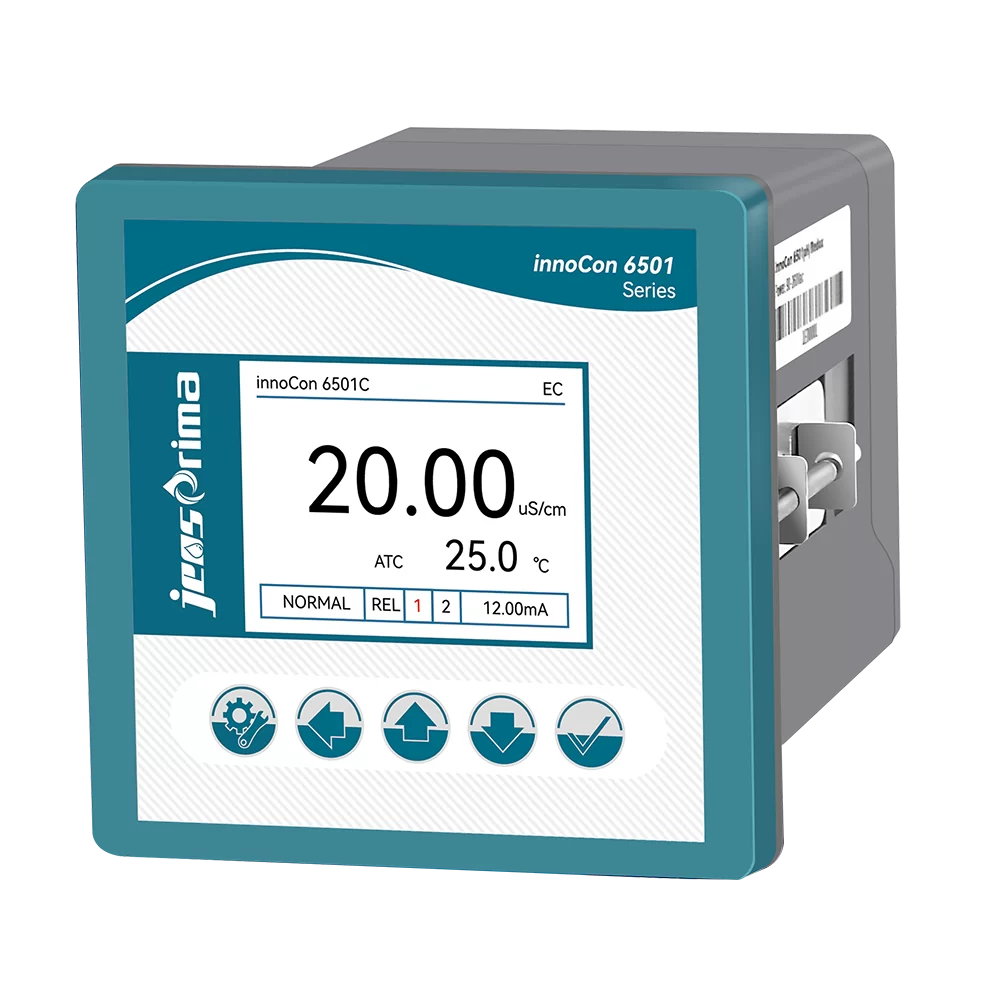
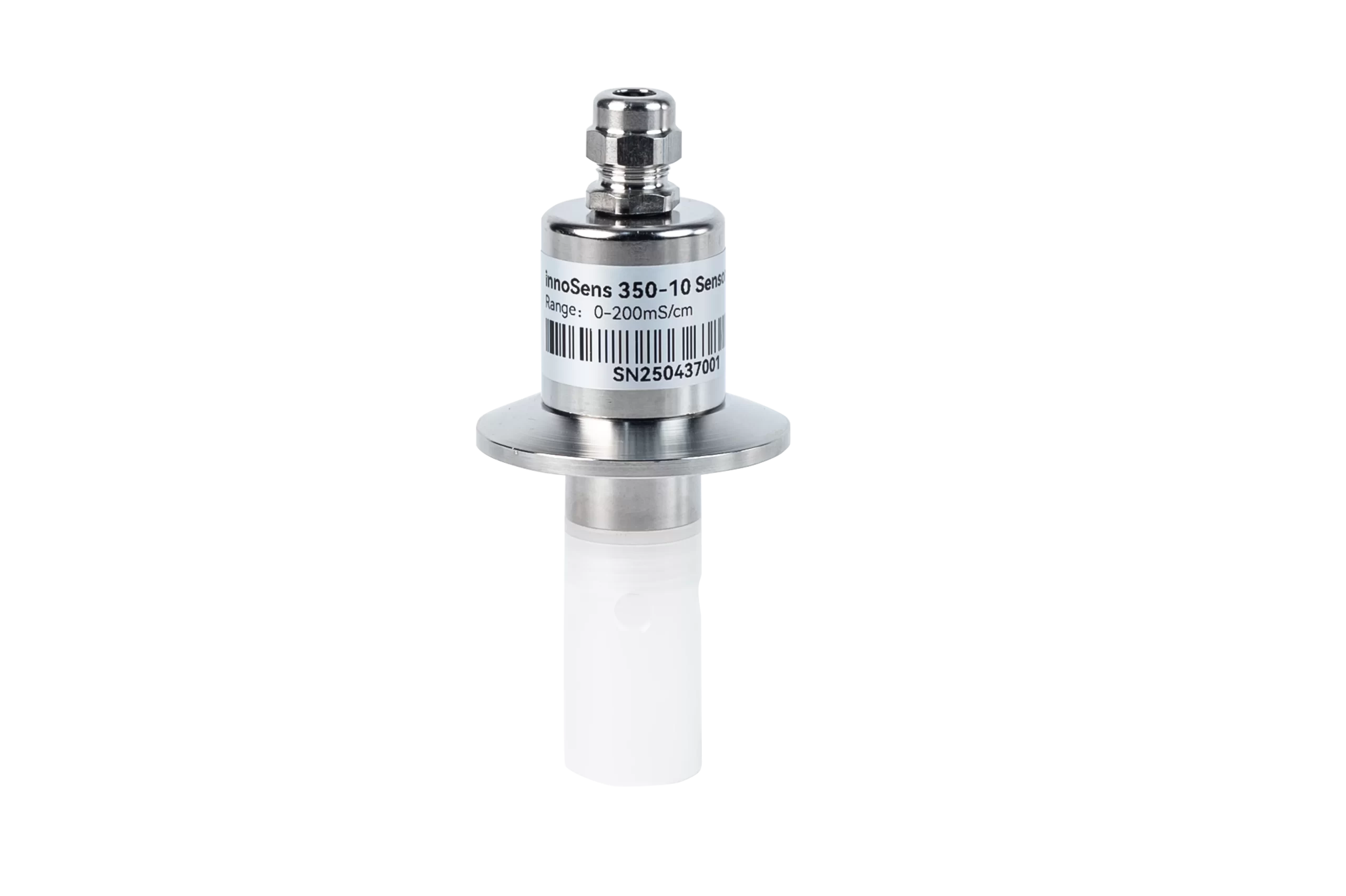
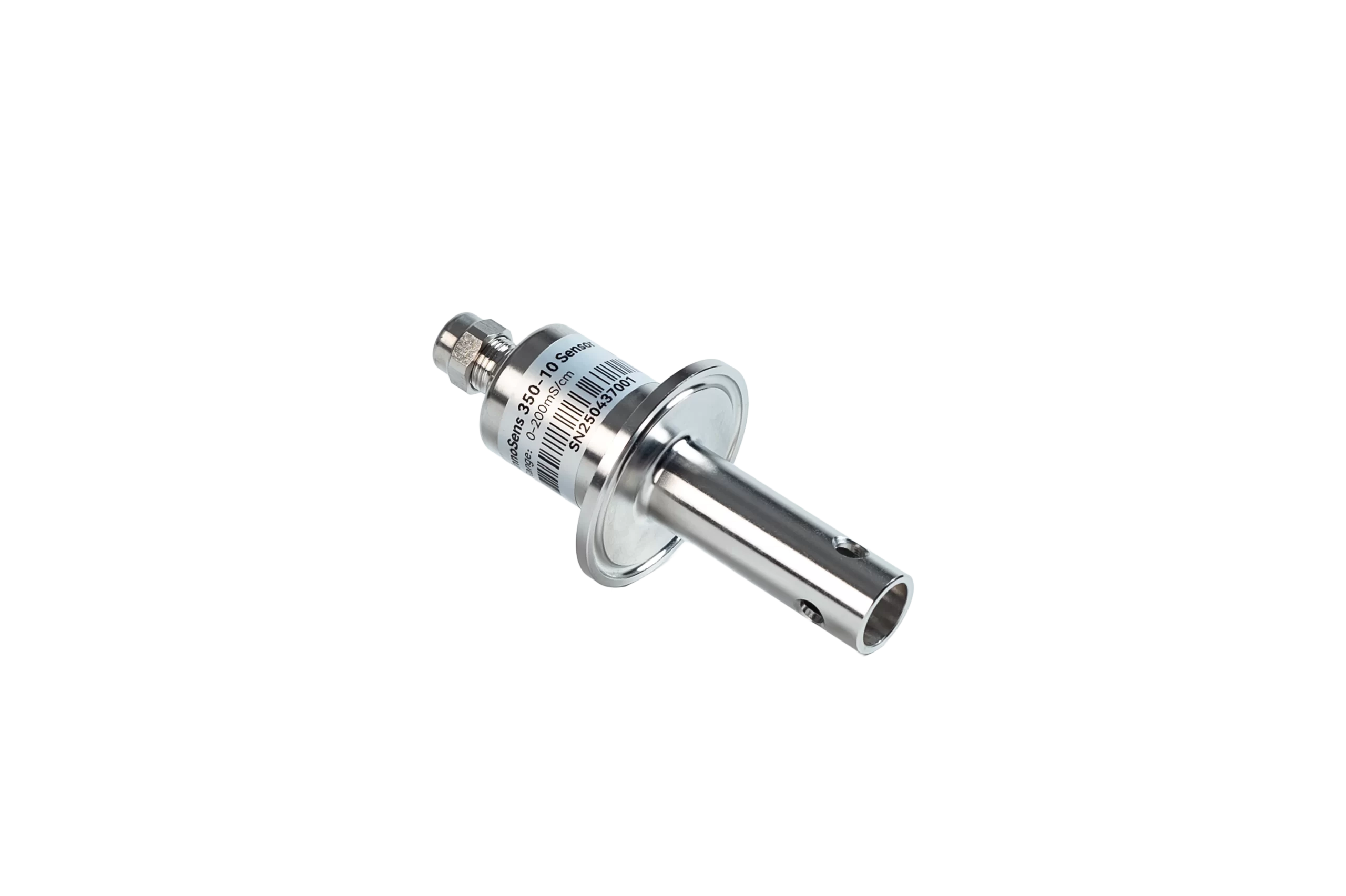
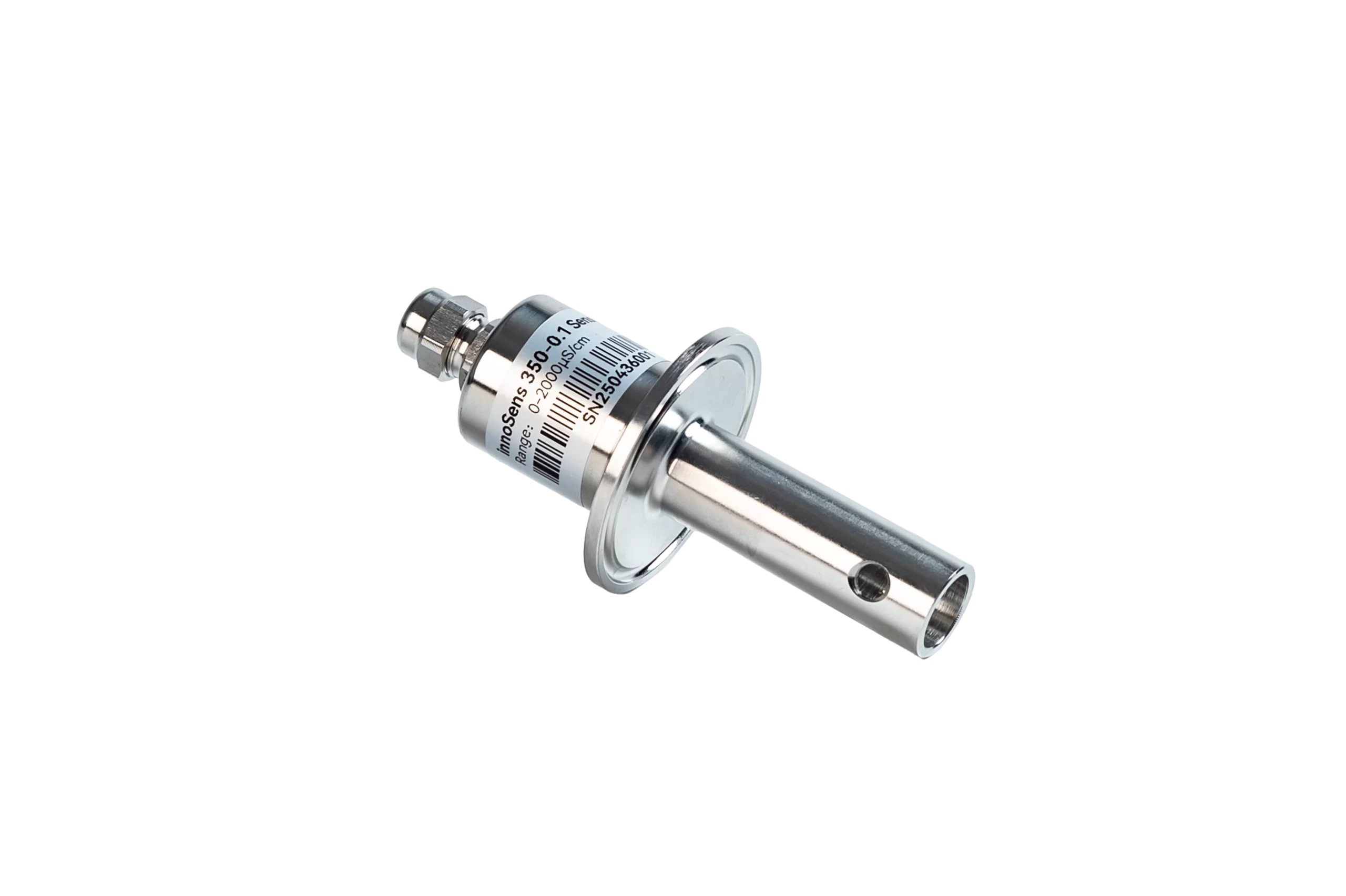
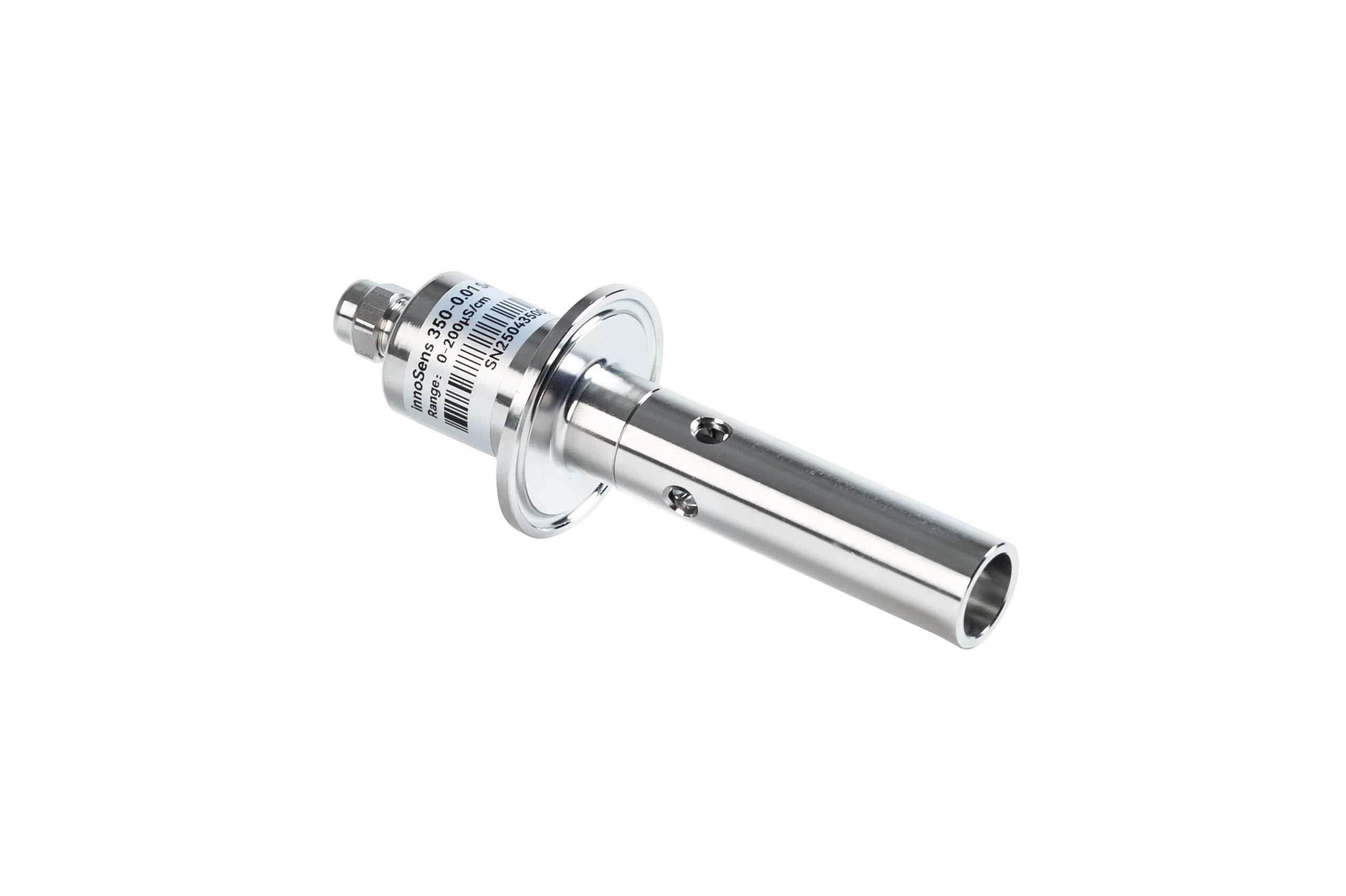
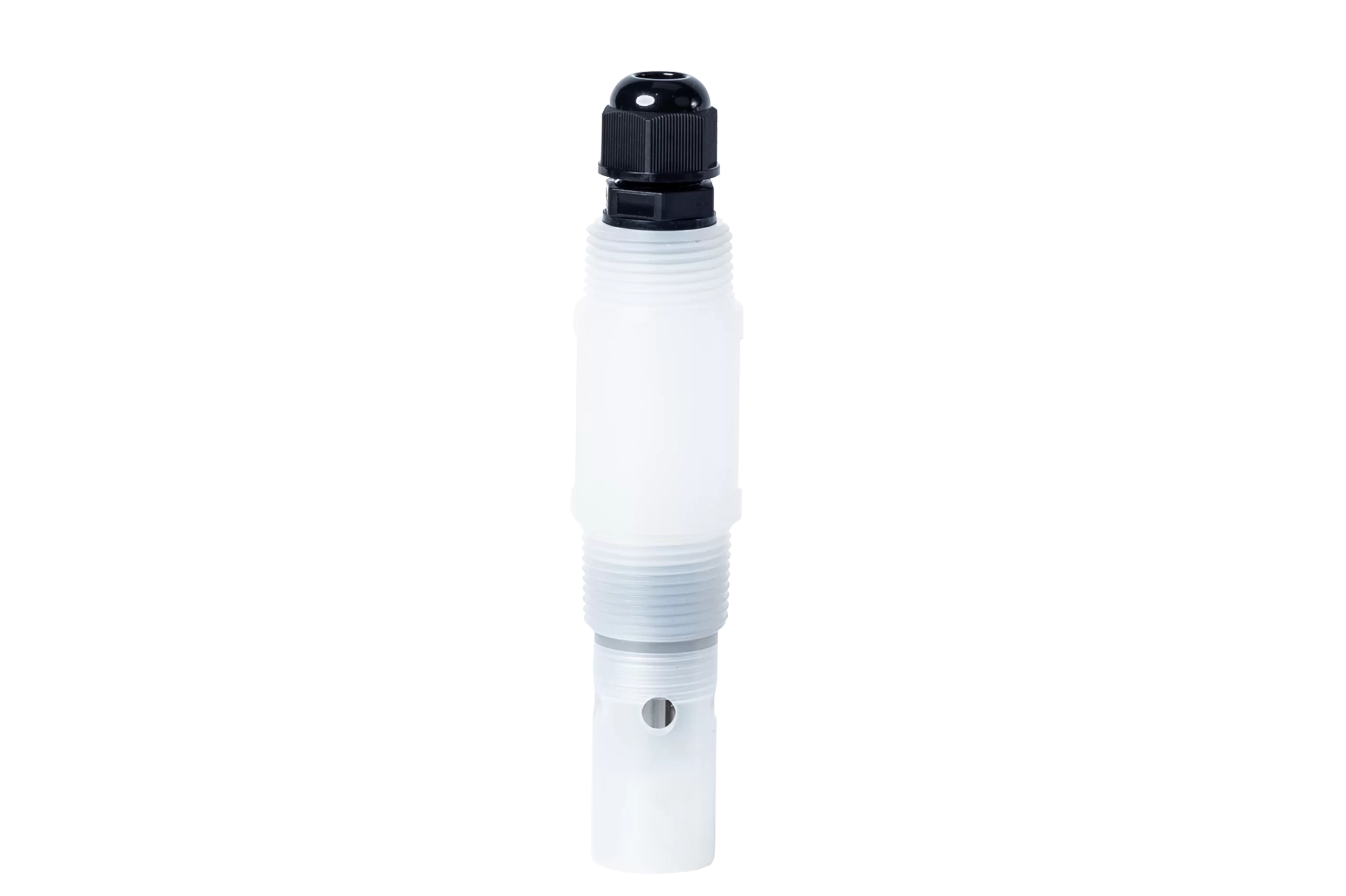
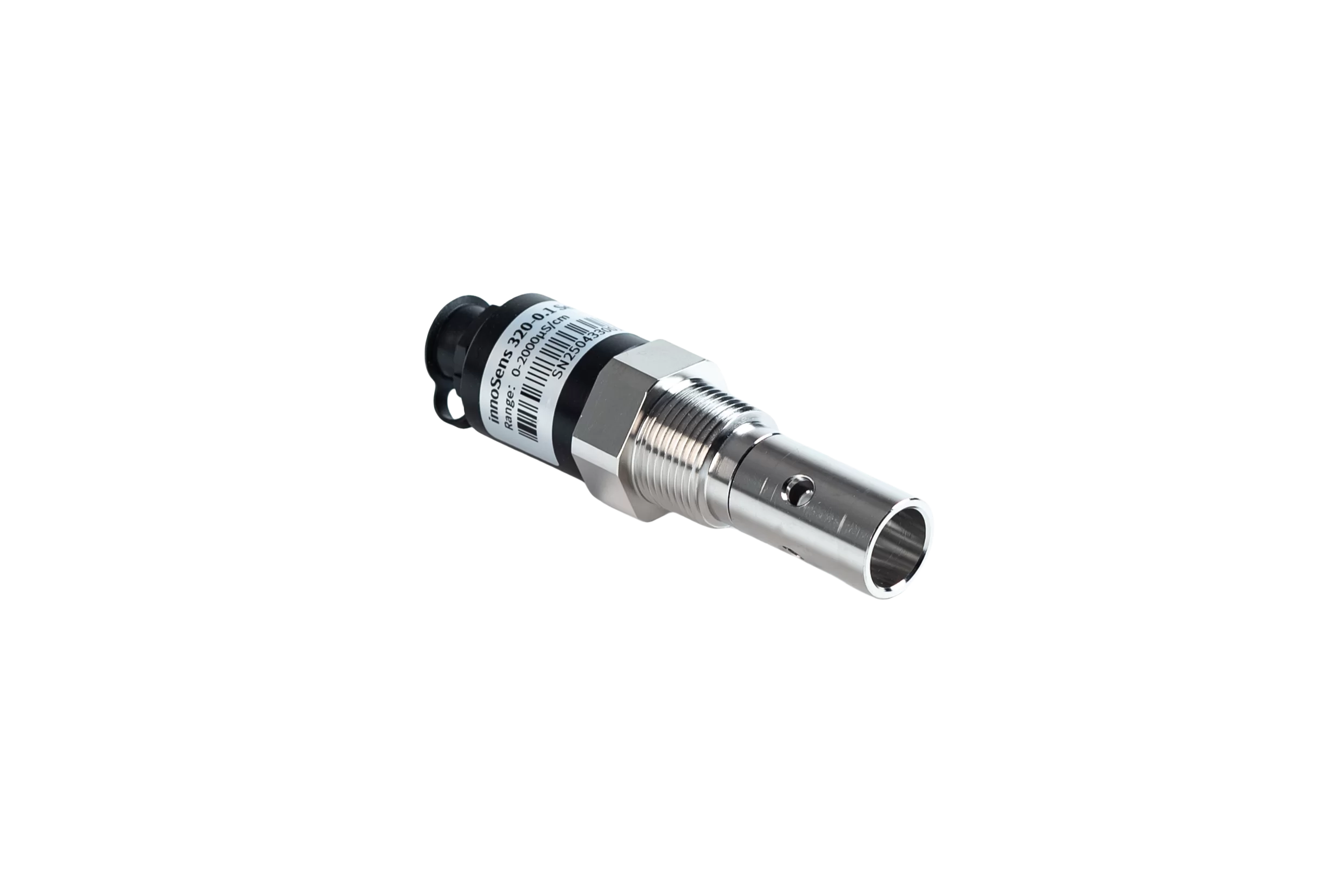
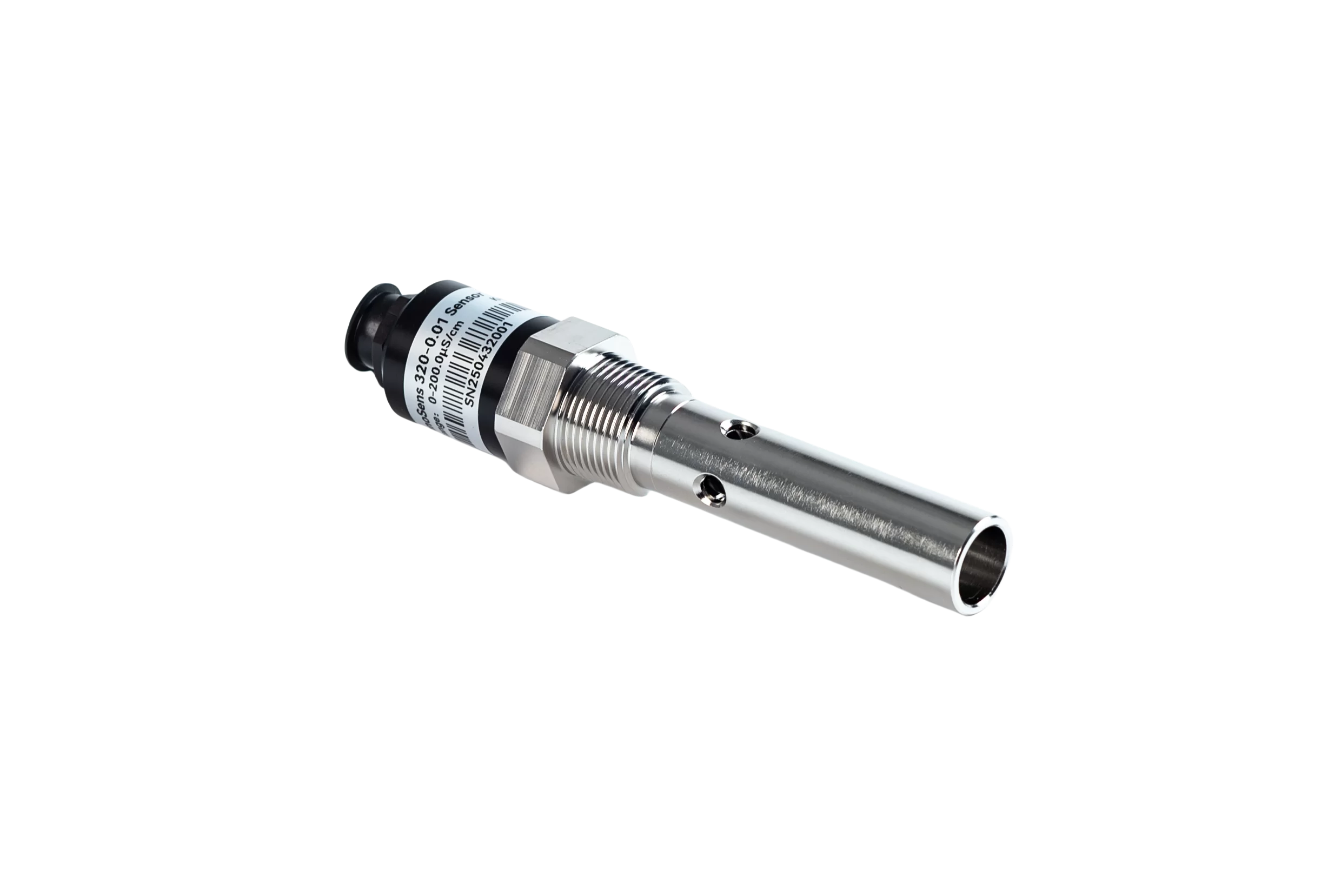
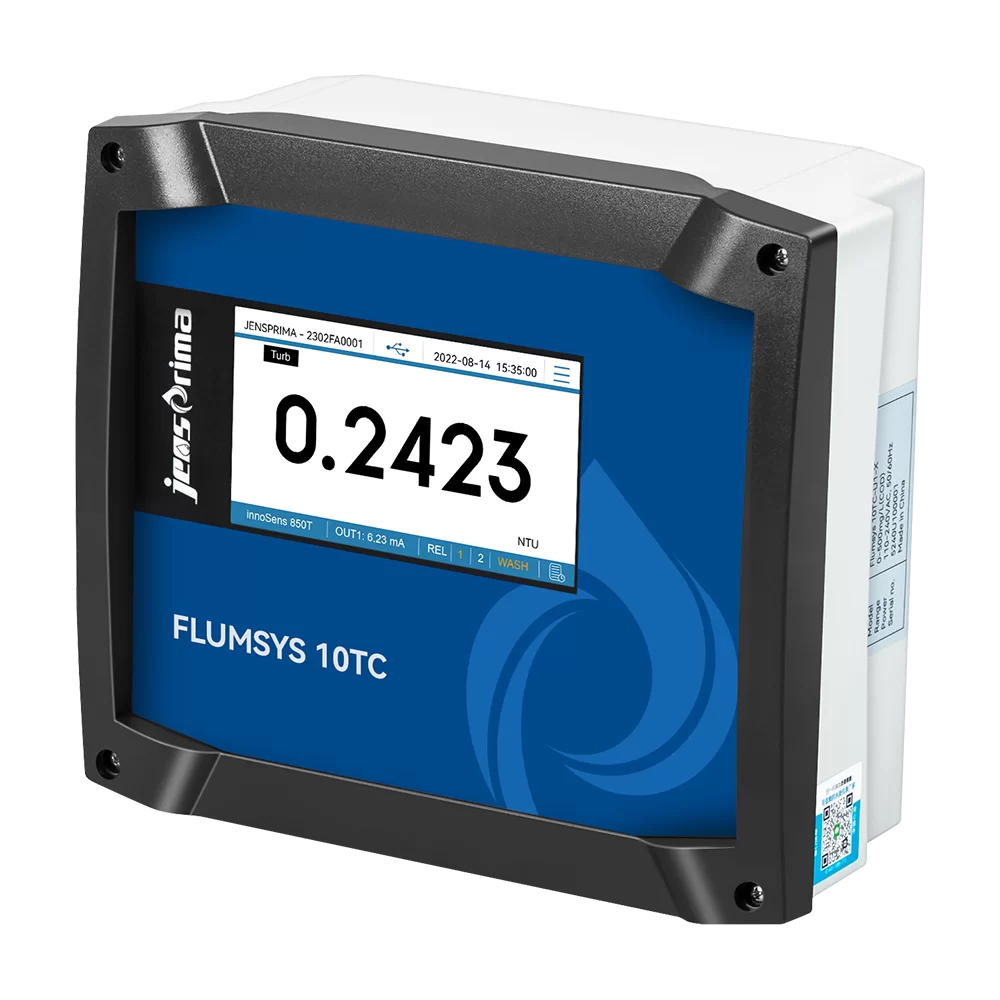
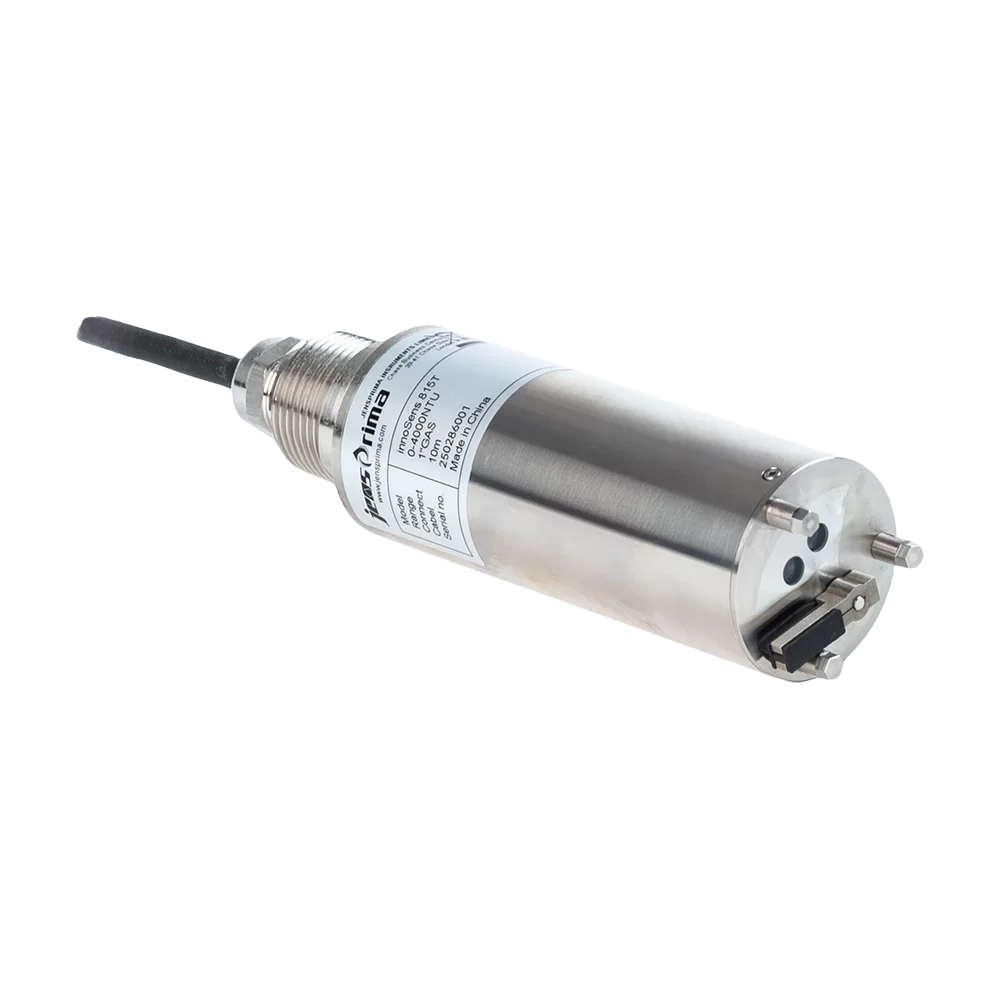
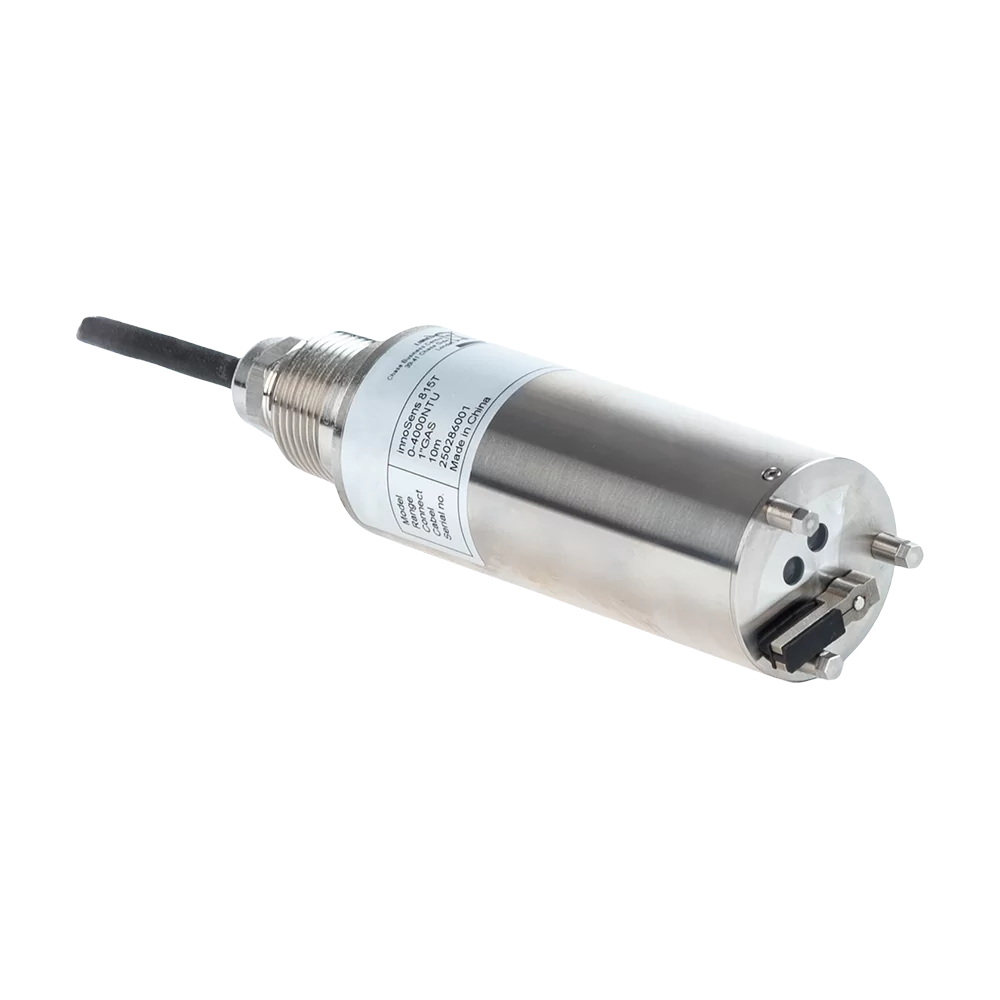
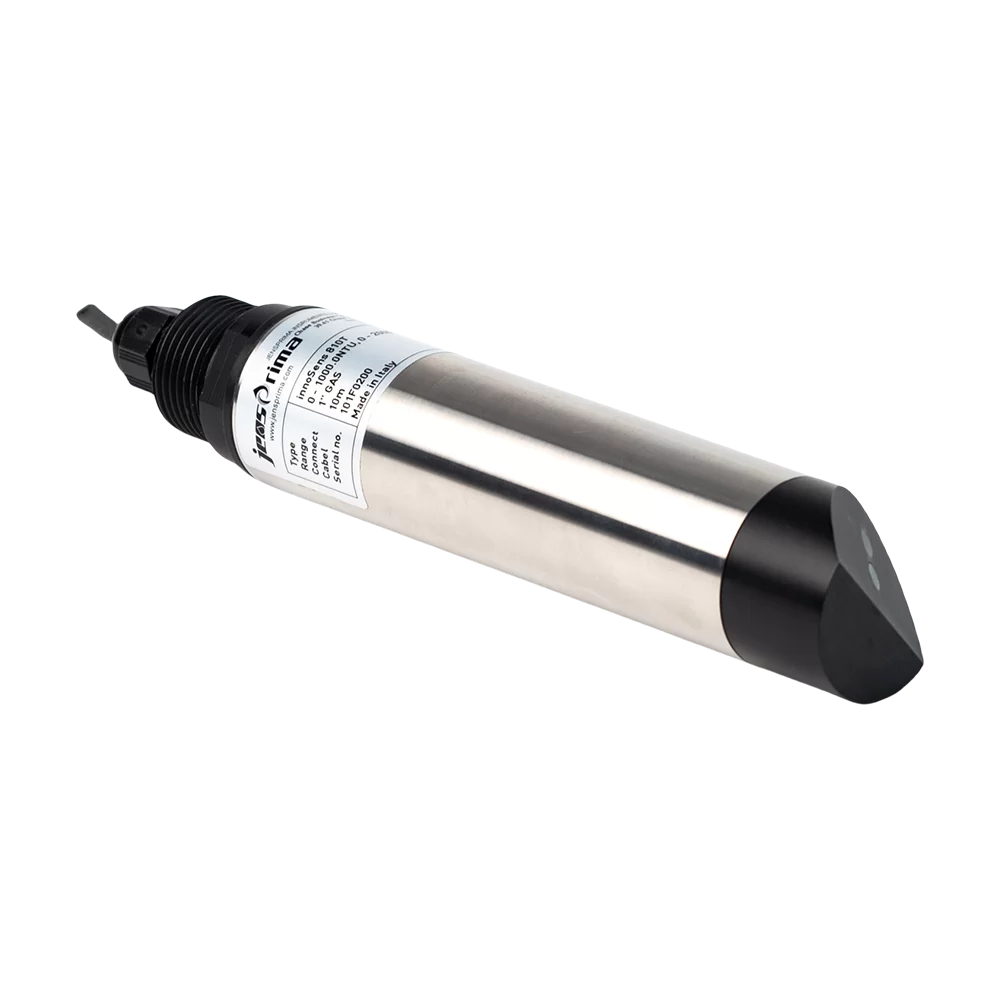
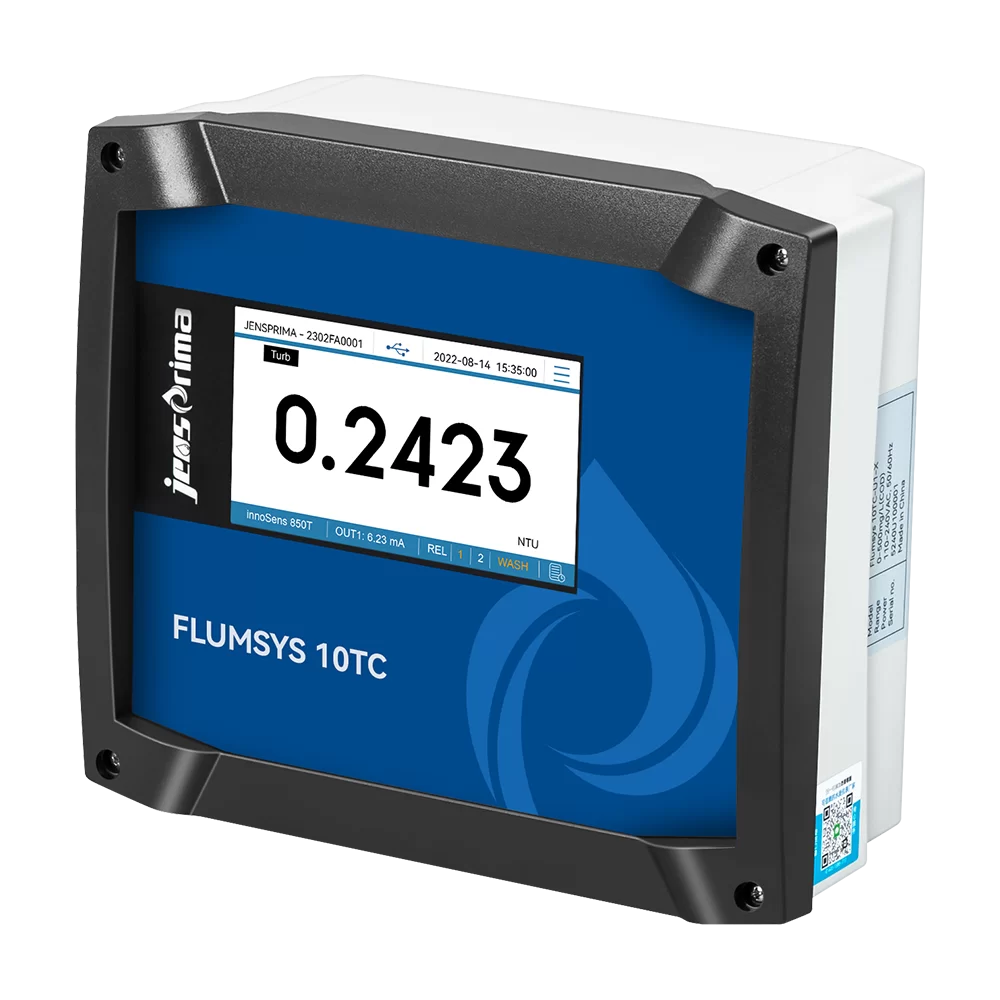
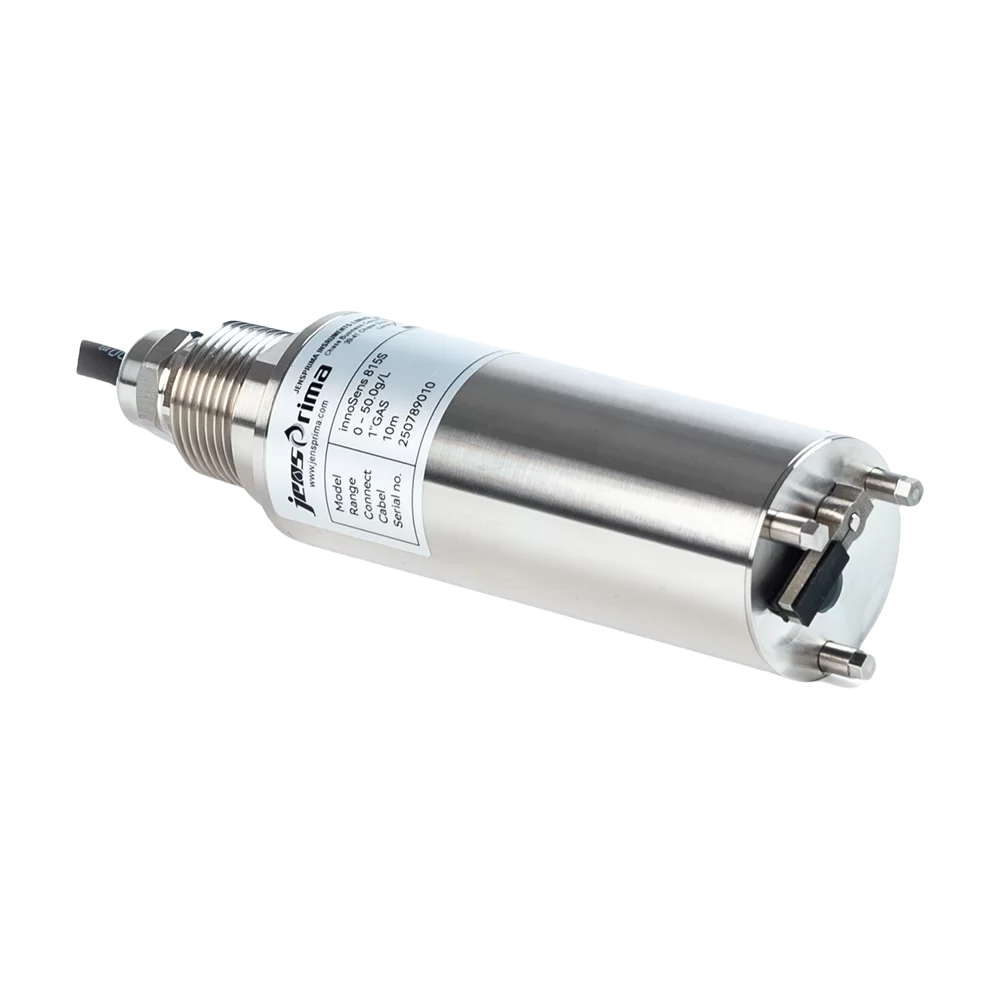
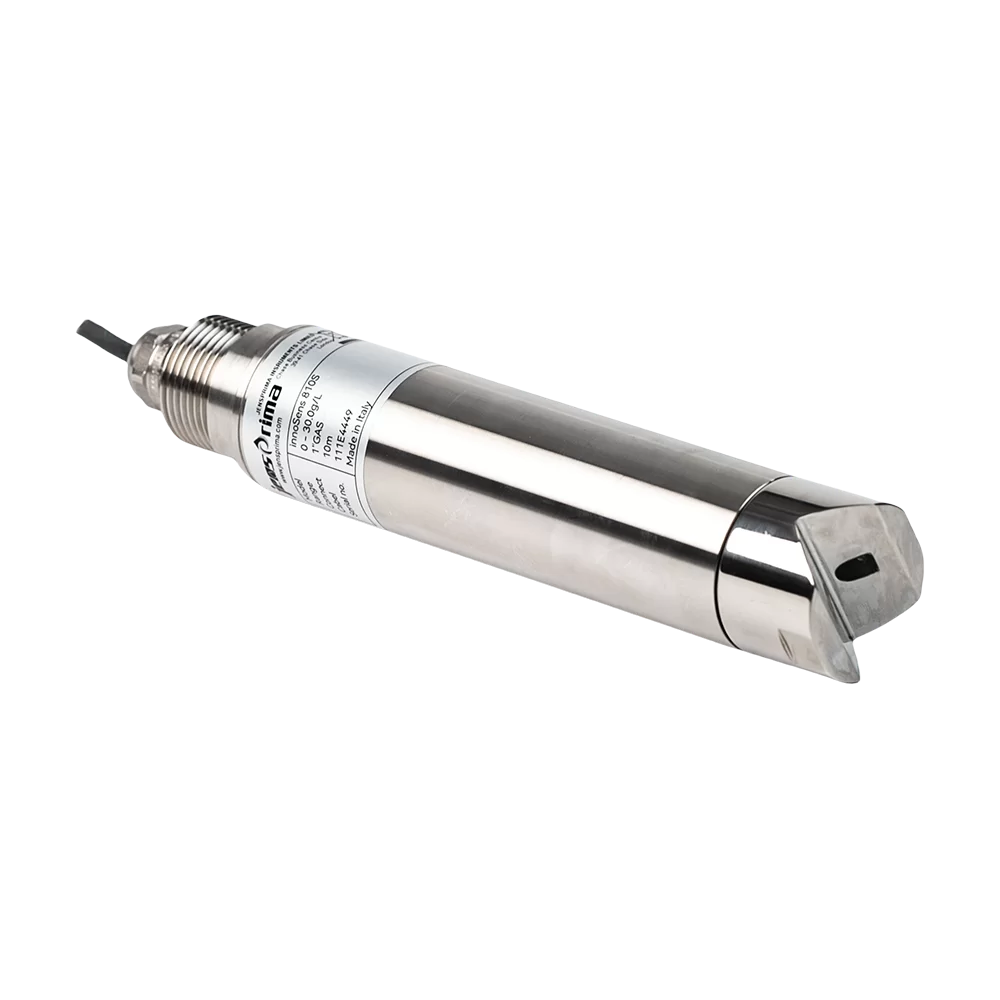
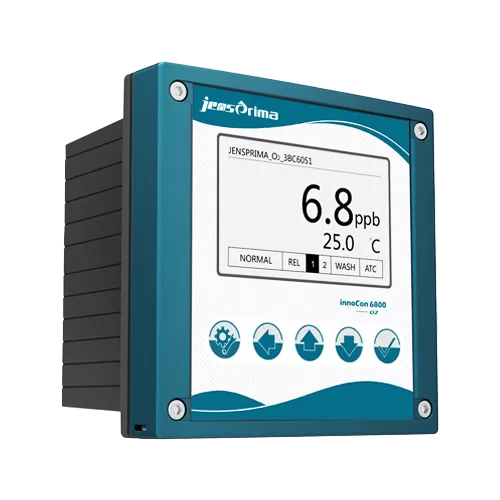
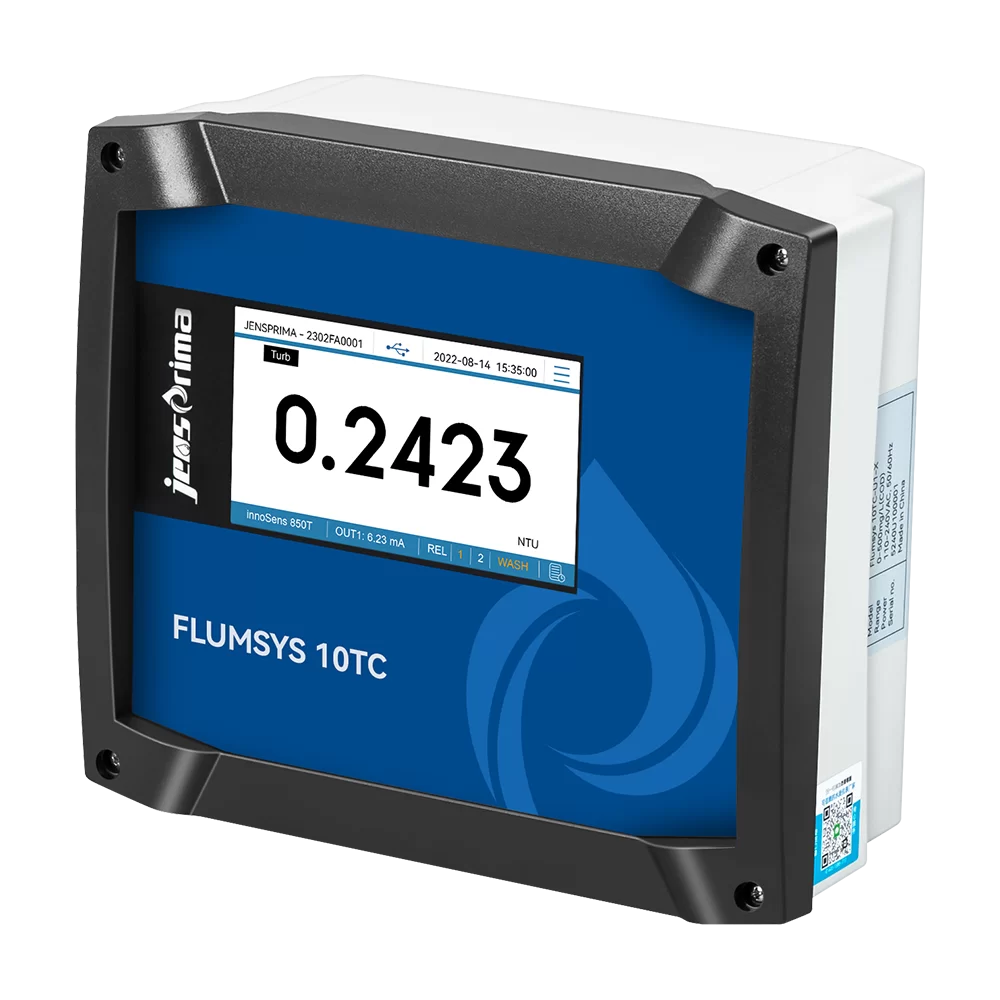
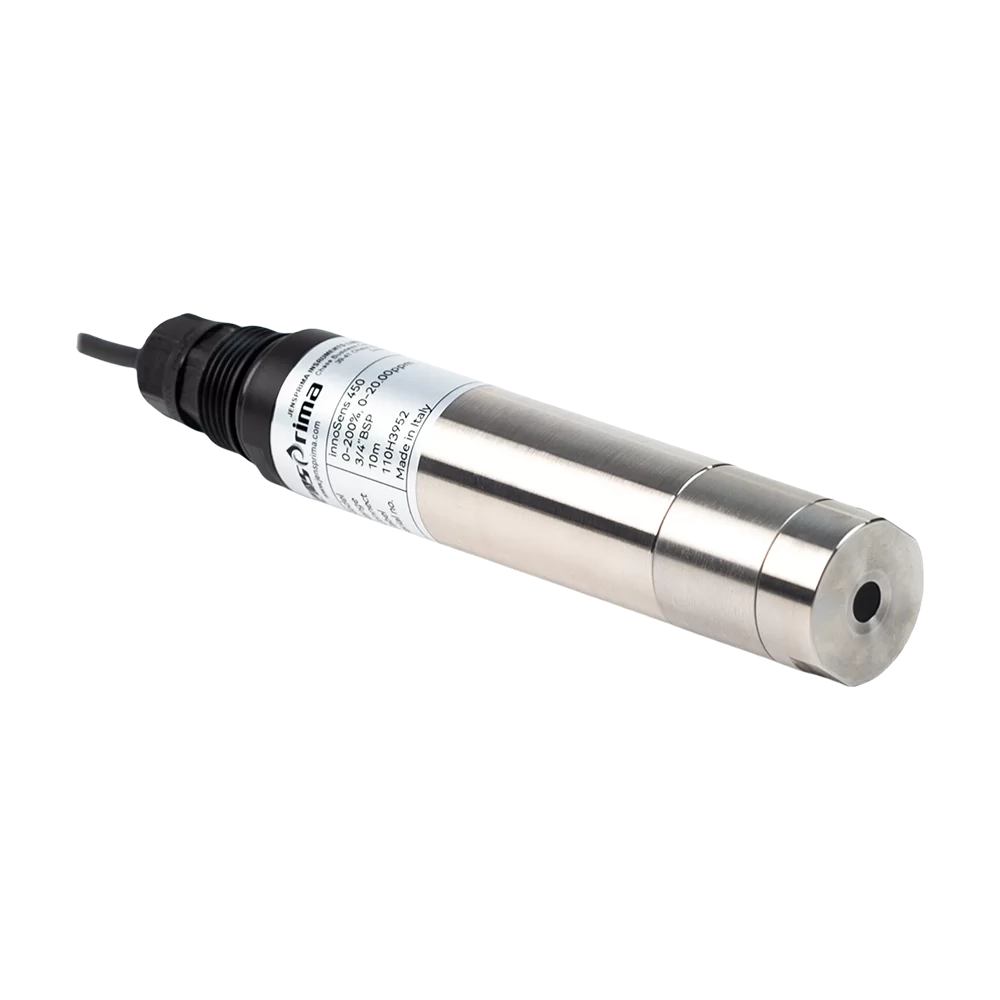
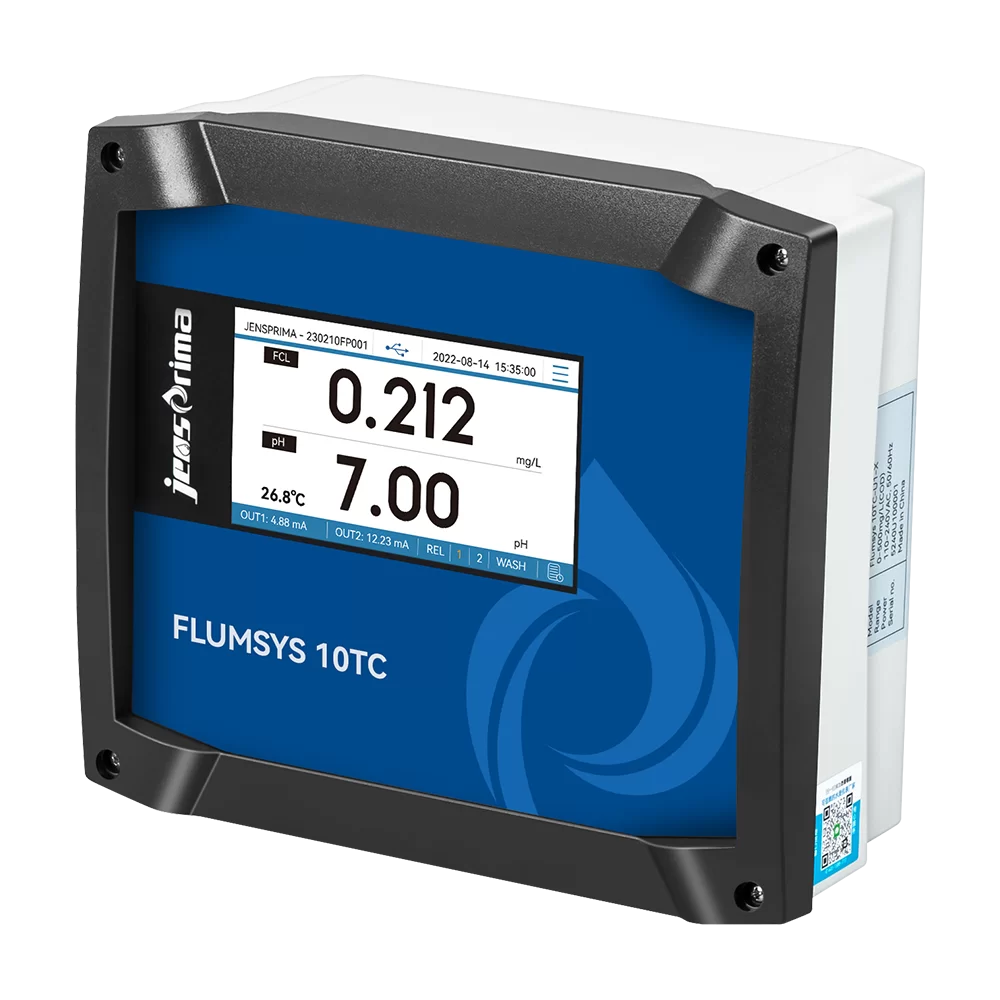
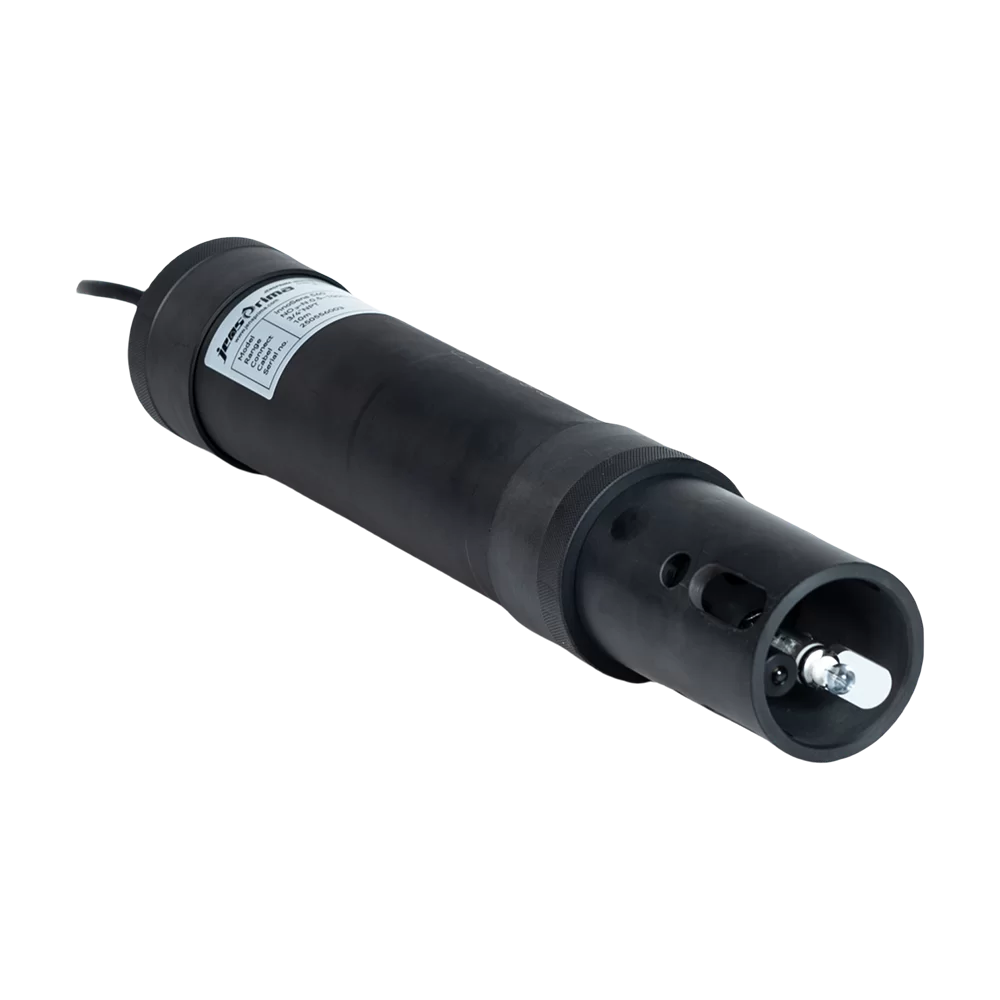
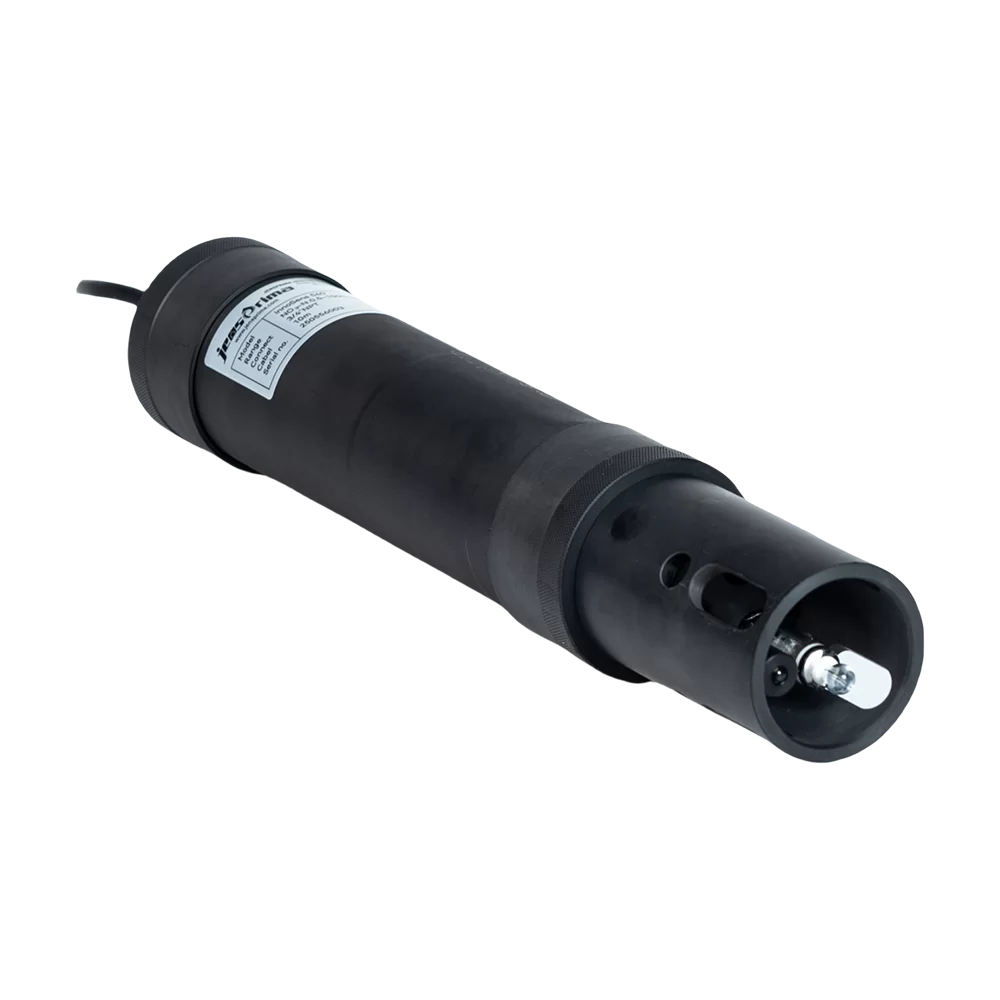
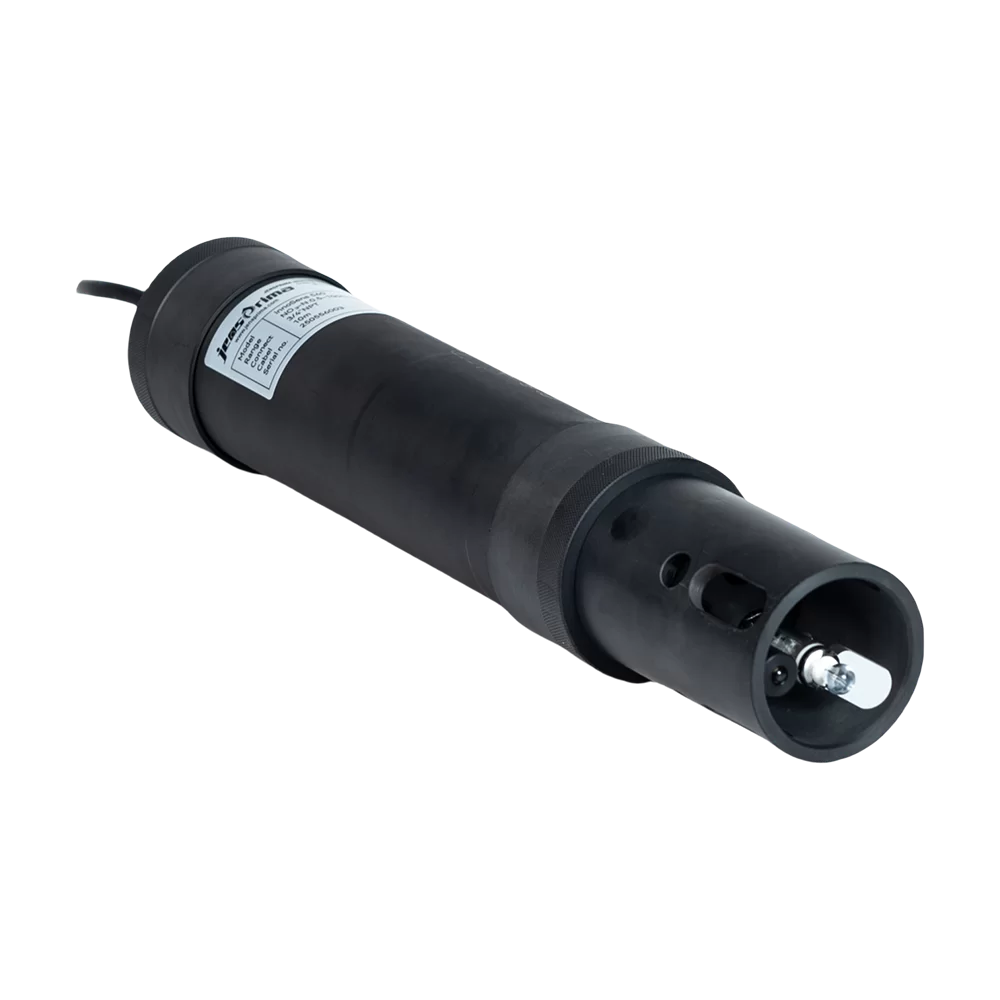
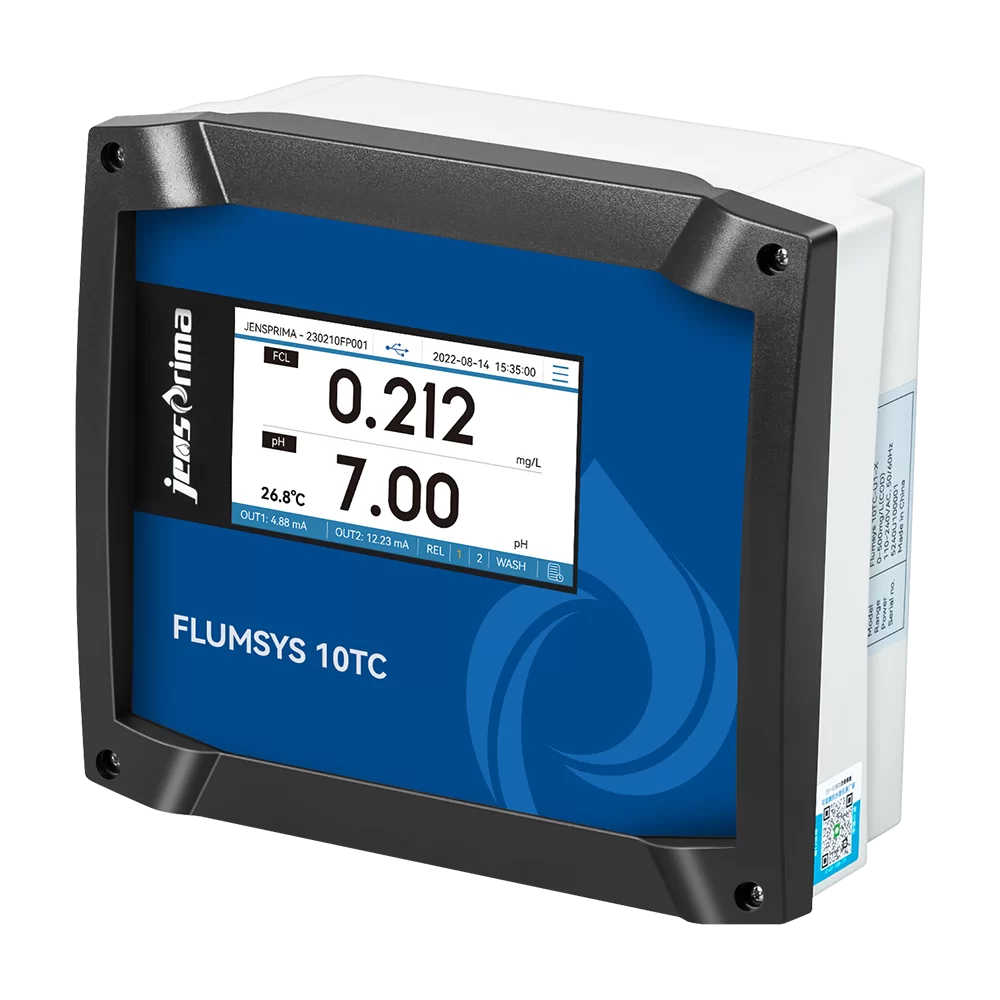
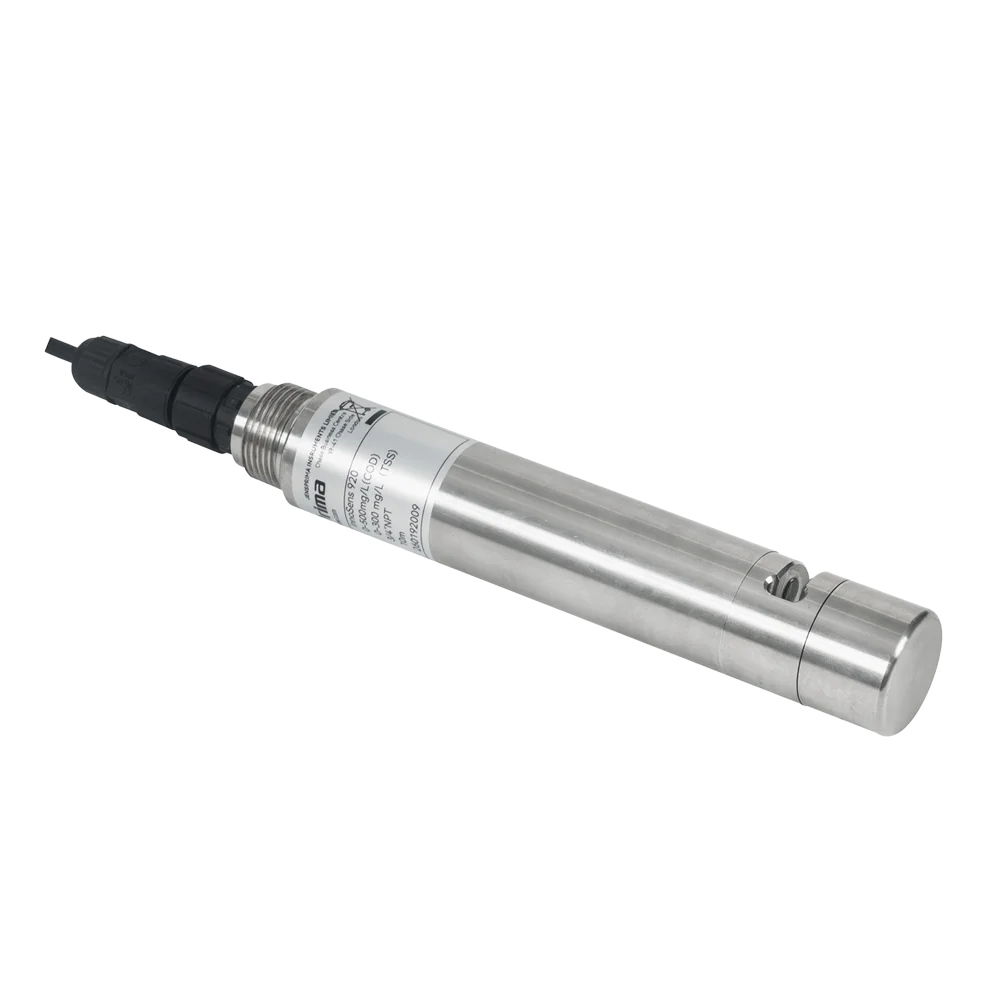
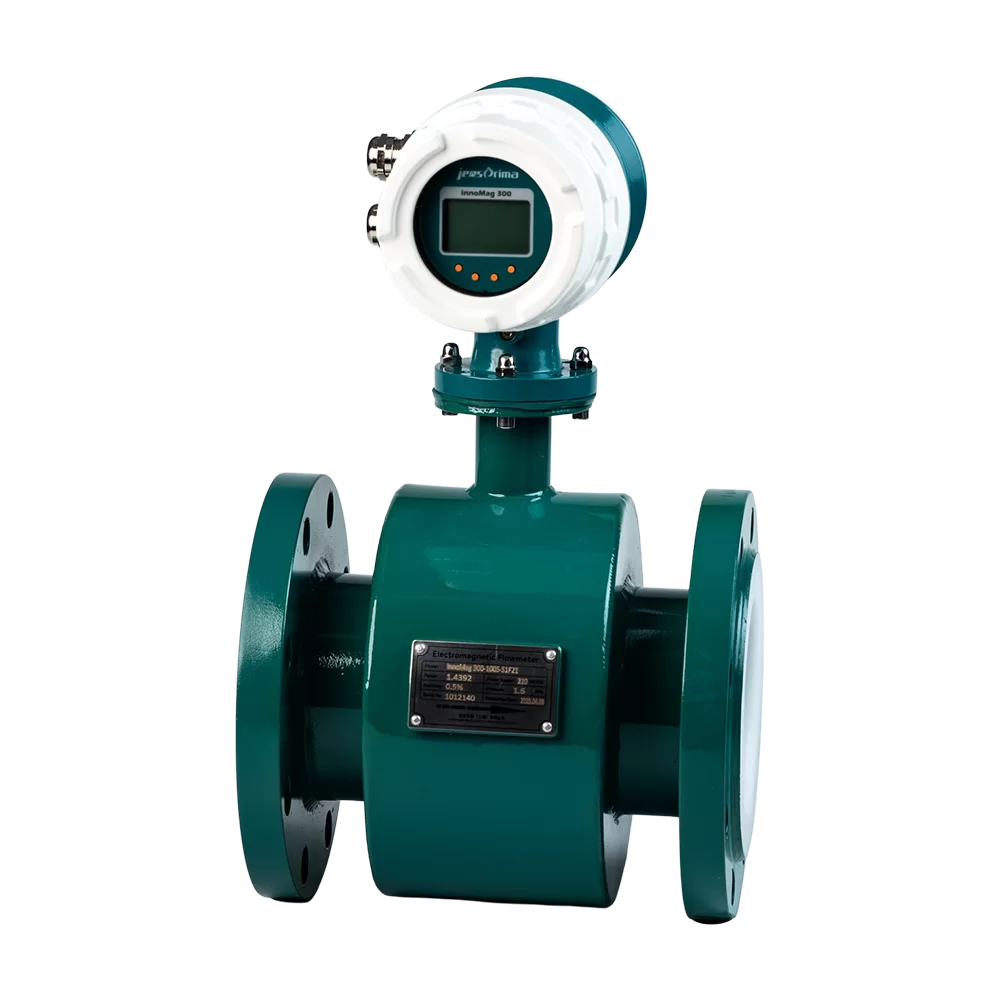
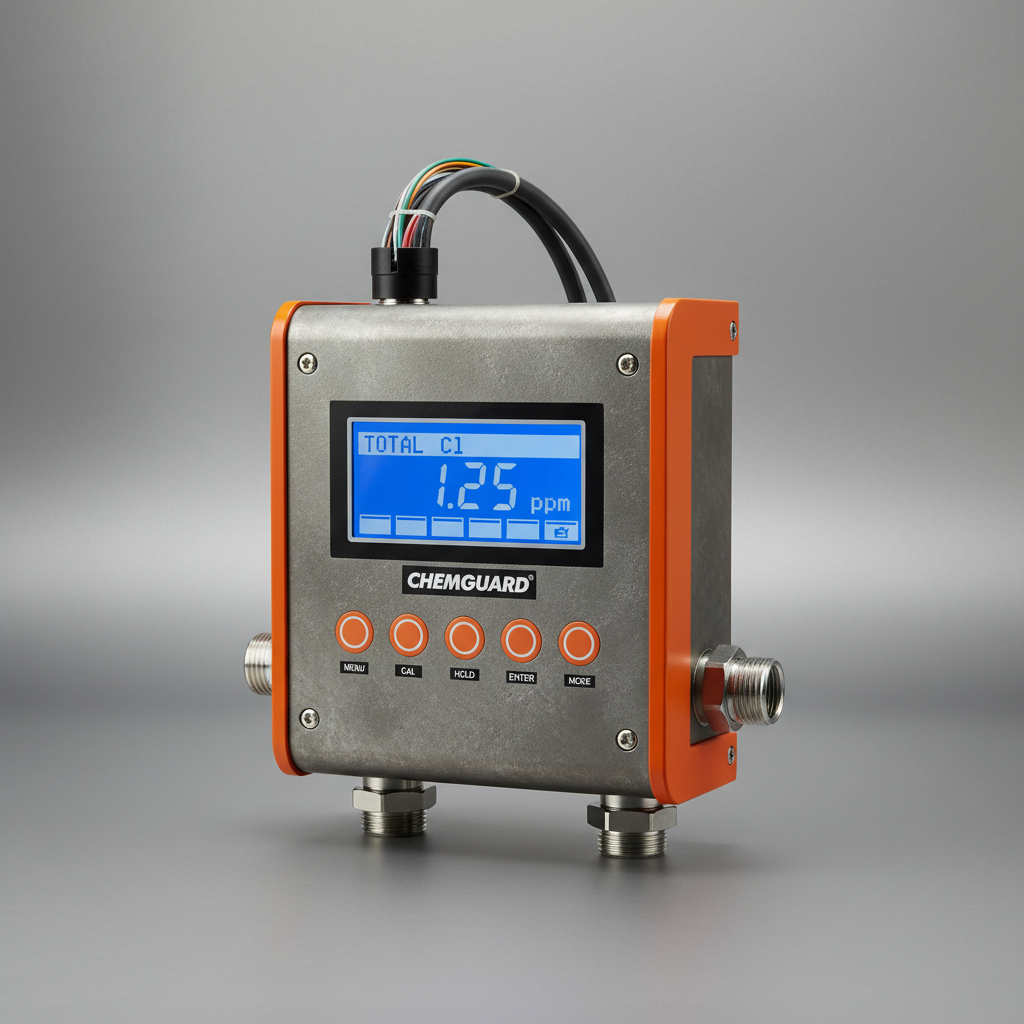
A total chlorine controller operates as the "brain" of your chemical feed system. It utilizes high-precision sensors to measure the total amount of chlorine present in the water stream. When the sensor detects that levels have fallen below a pre-set threshold, the controller sends a signal to a dosing pump to inject more chlorine. Conversely, if levels exceed the safety limit, the system halts dosing immediately. This closed-loop feedback mechanism ensures that the water remains sanitized without becoming caustic or irritating to users. Modern controllers often feature digital interfaces that allow operators to set specific target ranges and receive alerts if the system fails or if chemical tanks run dry.
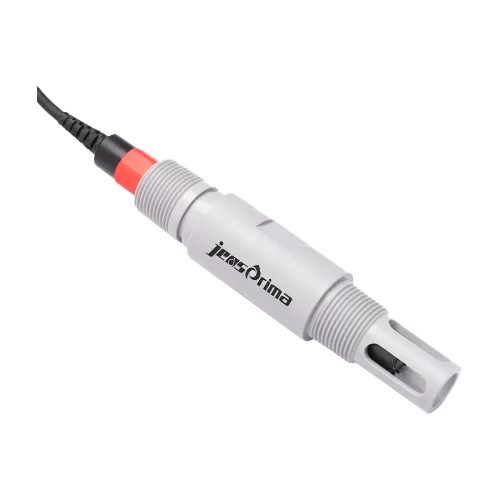
Pro Tip: Integrating a controller with an ORP (Oxidation-Reduction Potential) sensor can provide a more comprehensive view of water sanitization efficiency alongside total chlorine readings.
Key Benefits of Automated Chlorine Control
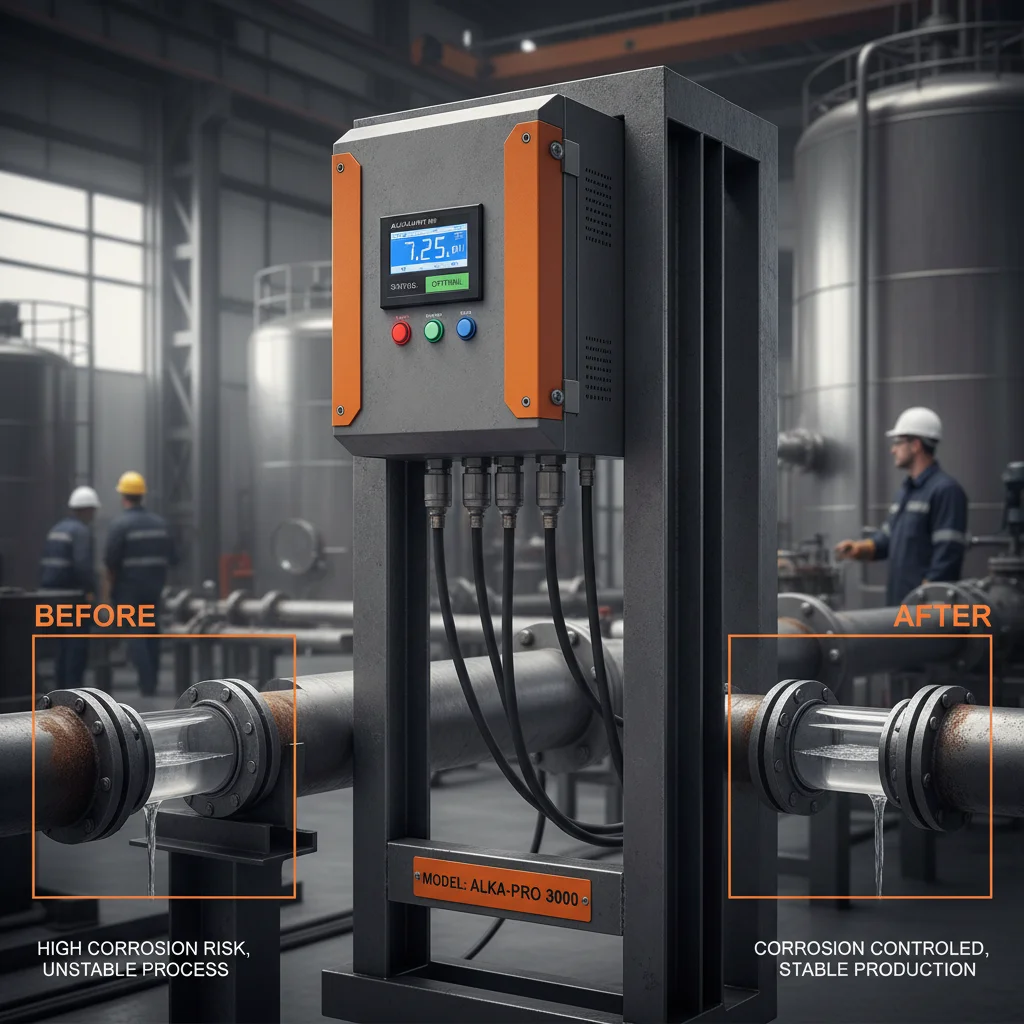
The transition from manual dosing to an automated total chlorine controller provides immediate operational advantages. First, it significantly reduces chemical waste by applying only the amount of chlorine necessary to reach the target setpoint. Second, it enhances safety by reducing the frequency with which staff must handle concentrated chemicals. Most importantly, it guarantees consistent water quality, which is vital for meeting health department regulations and preventing the growth of algae or harmful bacteria like Legionella. By maintaining a steady state of disinfection, facilities can avoid the costly "shock" treatments often required after manual dosing failures.
Comparing Manual Dosing vs. Total Chlorine Controller
To understand the value proposition, it is helpful to compare traditional methods with modern automation. Manual dosing relies on periodic sampling, which leaves "blind spots" where chlorine levels may spike or drop between tests. An automated total chlorine controller provides real-time monitoring, meaning the system reacts instantly to changes in water load or contamination levels. This leads to a more stable environment and a better experience for the end-user, whether they are swimming in a pool or using industrial process water.
| Feature |
Manual Dosing |
Automated Controller |
| Monitoring Frequency |
Periodic (Hourly/Daily) |
Real-time / Continuous |
| Chemical Accuracy |
Prone to Human Error |
High Precision Calibration |
| Labor Requirement |
High (Manual testing) |
Low (Supervisory only) |
| Water Stability |
Fluctuating Levels |
Consistent & Stable |
Industrial Applications for Chlorine Control Systems
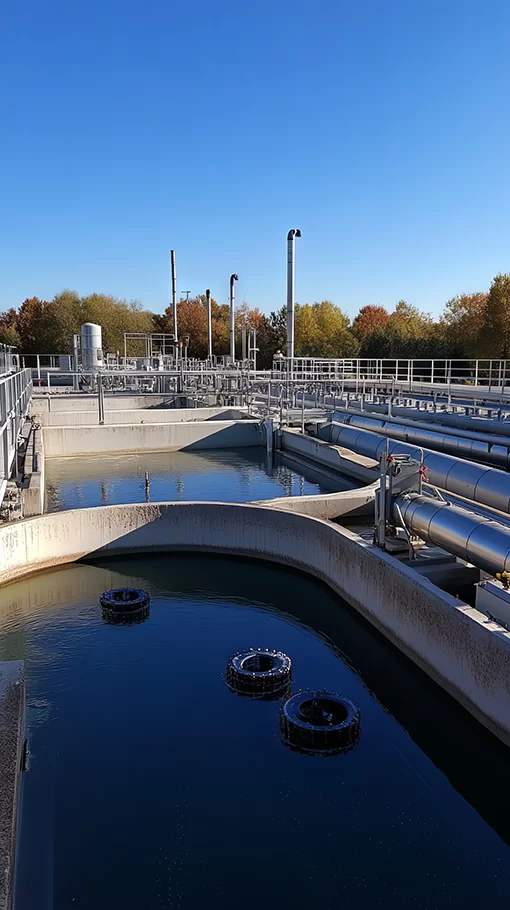
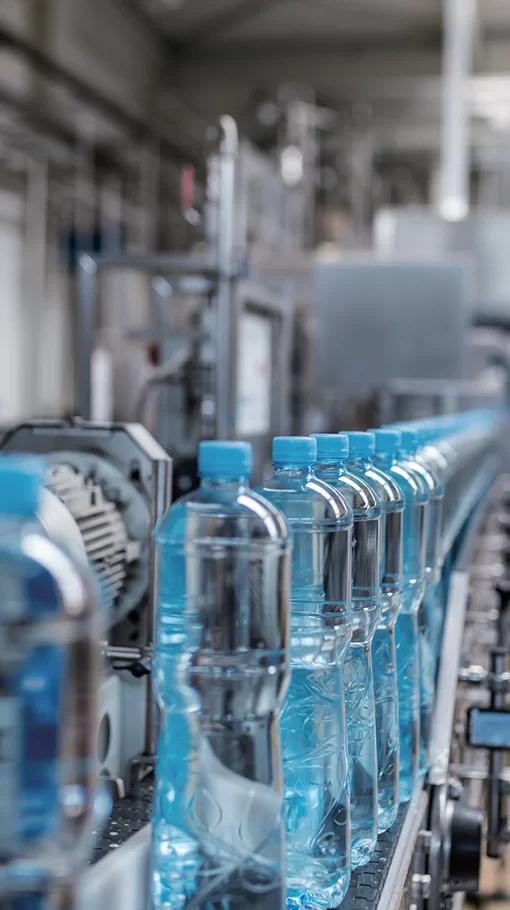
The versatility of a total chlorine controller allows it to be deployed across various demanding sectors. In food and beverage processing, chlorine control is used for surface sanitization and ingredient water purification to prevent cross-contamination. In cooling towers, these controllers prevent biofilm buildup and algae growth, which otherwise would reduce heat exchange efficiency and increase energy costs. Additionally, municipal water plants utilize these systems to ensure that drinking water is safe for the public while remaining within the strict parts-per-million (ppm) limits set by health authorities. Regardless of the industry, the goal remains the same: precision and reliability.
Technical Specifications of a Professional Total Chlorine Controller
When selecting a system from JensPrima, it is important to look at the technical specifications to ensure the device fits your flow rate and water chemistry. A professional-grade controller should offer a wide measurement range, high temperature tolerance, and an easy-to-calibrate interface. Below are the typical specifications found in high-end industrial controllers:
| Specification |
Standard Performance Detail |
| Measurement Range |
0.0 - 10.0 mg/L (Adjustable) |
| Accuracy |
± 0.1 mg/L or 2% of reading |
| Response Time |
< 30 seconds |
| Operating Temperature |
5°C to 50°C |
| Control Outputs |
4-20mA / Relay Switches |
Conclusion: The Future of Water Sanitization
Implementing a total chlorine controller is more than just an equipment upgrade; it is a commitment to operational excellence and public safety. By removing the volatility of manual dosing, facilities can achieve a level of consistency that protects infrastructure, saves money on chemicals, and ensures the highest water quality standards. As automation technology evolves, these controllers continue to become more intuitive and precise, making them an indispensable tool for modern water management.
Frequently Asked Questions (FAQs)
What is the difference between free chlorine and total chlorine?
Free chlorine is the amount of chlorine available to actively kill bacteria and organic matter. Total chlorine is the sum of both free chlorine and combined chlorine (chloramines). Combined chlorine is the result of free chlorine reacting with contaminants; while it still has some disinfecting power, it is much weaker and is responsible for the strong "chlorine smell" and eye irritation. A professional total chlorine controller helps operators monitor the overall chemical load to ensure the water is effectively sanitized without an over-accumulation of chloramines.
How often should I calibrate my chlorine controller?
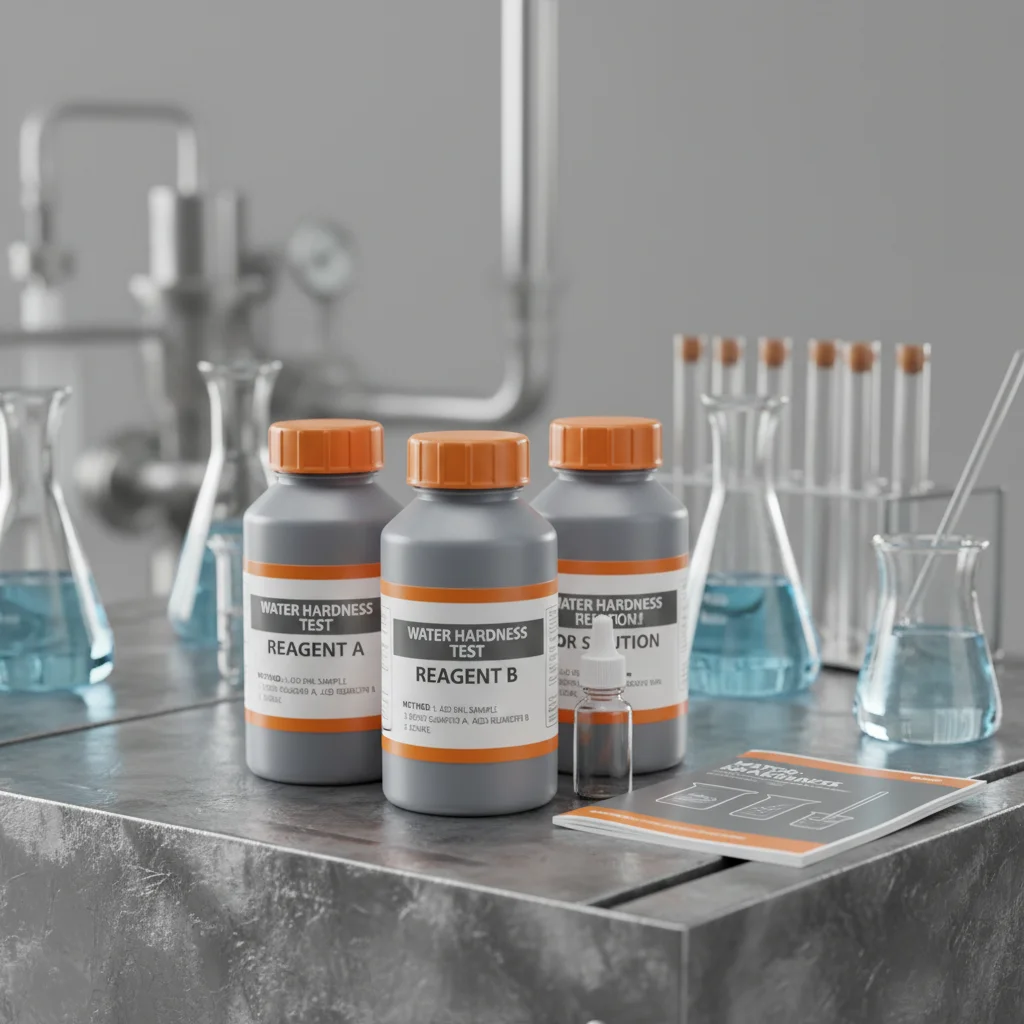
Calibration frequency depends on the water quality and the type of sensors used, but generally, it is recommended to calibrate your system every 2 to 4 weeks. Over time, sensor probes can develop "drift" or build up mineral deposits (scaling), which can lead to inaccurate readings. Regular calibration using a known standard solution ensures that the dosing pump is receiving correct data. Many modern systems provide a calibration wizard that guides the operator through the process to maintain peak accuracy.
Can a total chlorine controller prevent algae growth completely?
Yes, when properly configured, a total chlorine controller is one of the most effective tools for preventing algae. Algae blooms usually occur when chlorine levels drop below a critical threshold for a period of time. Because the controller maintains a constant, steady level of disinfectant, it eliminates the "dips" in chlorine concentration that algae need to take hold. When combined with proper filtration and pH balance, automated chlorine control provides a nearly foolproof defense against biological growth.
Is it difficult to install an automated chlorine system?
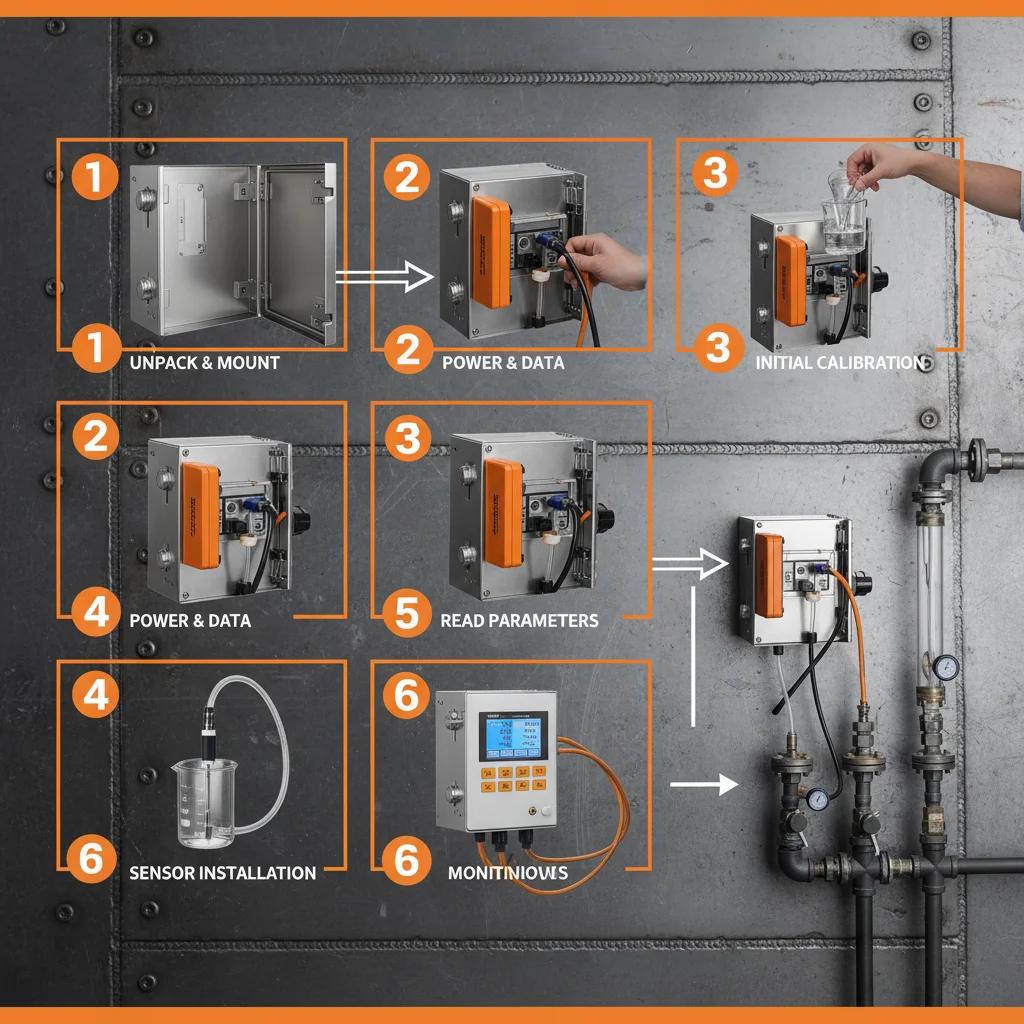
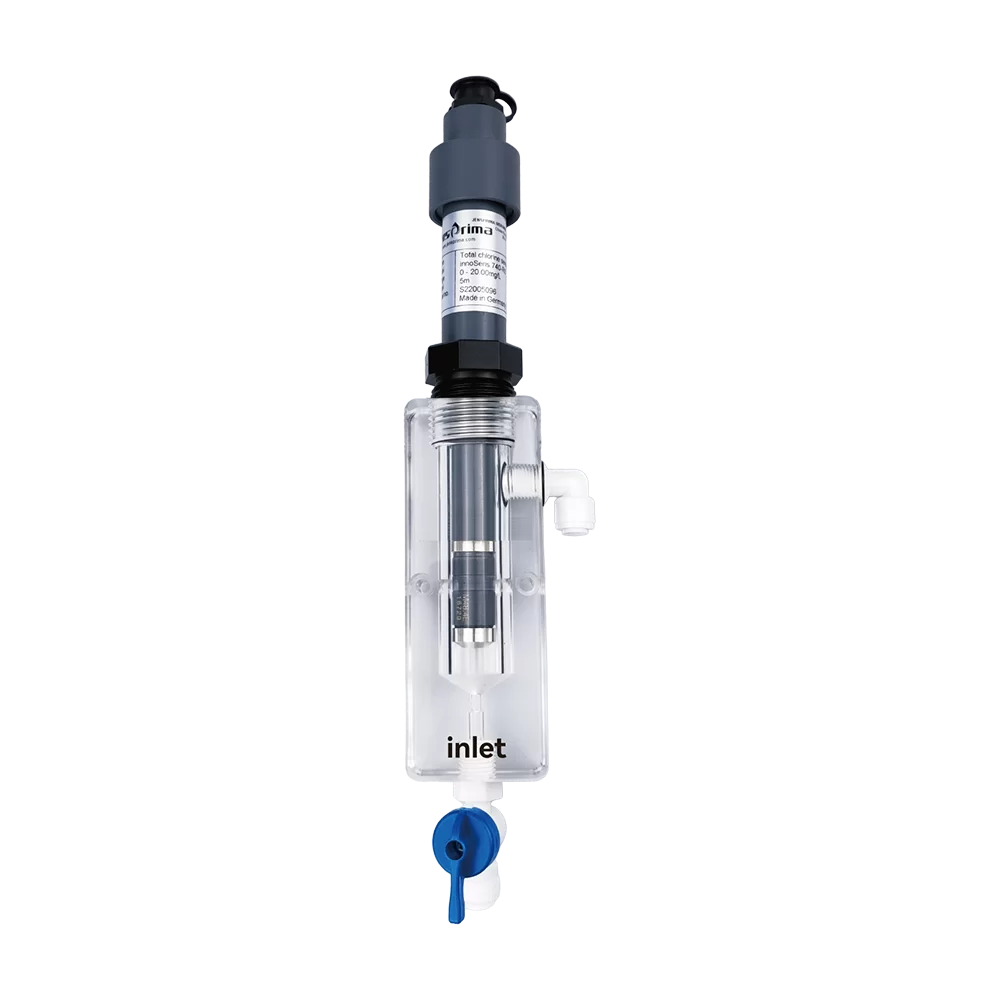
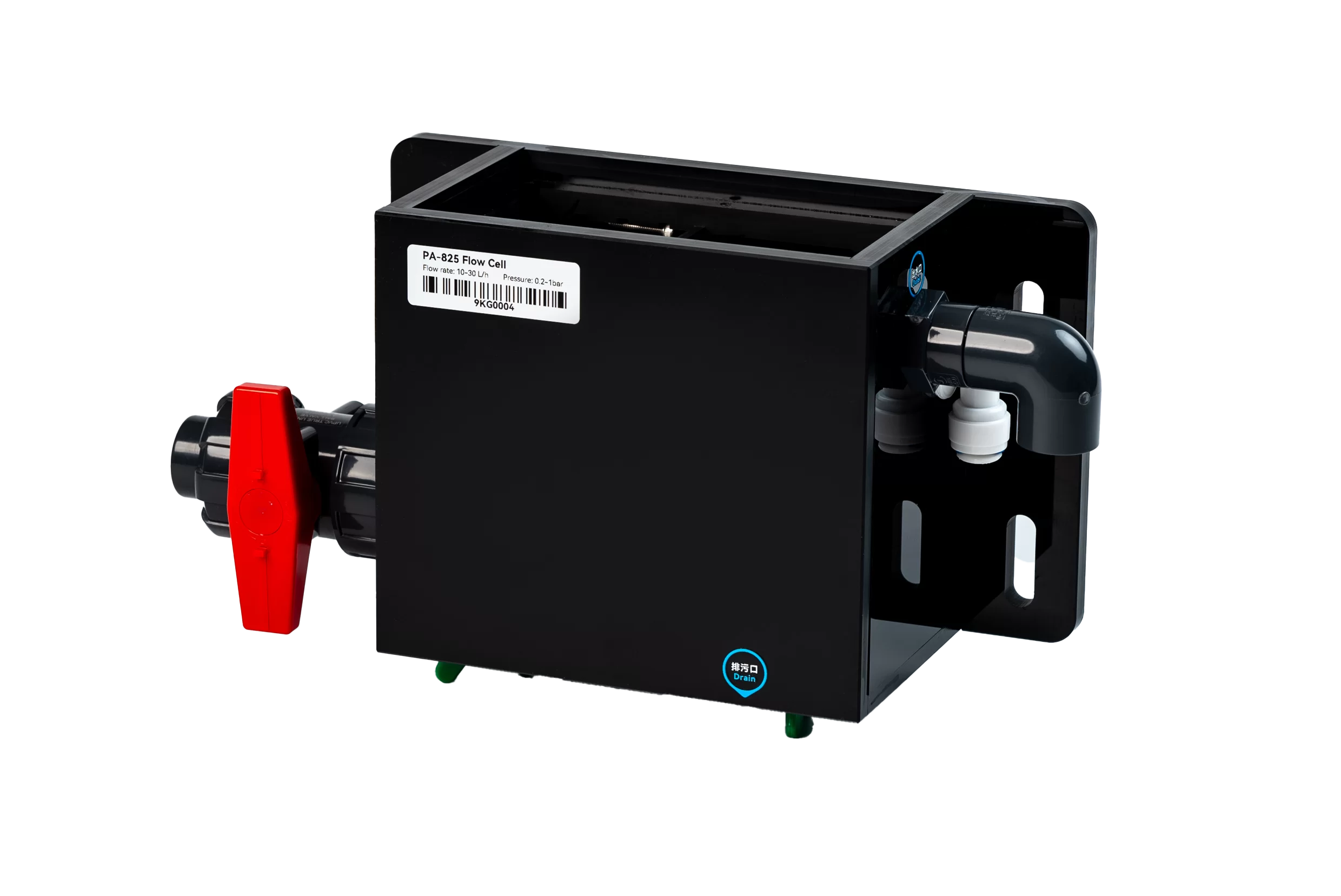
While the installation requires basic plumbing and electrical knowledge, it is straightforward for most facility managers. The process involves installing the sensor probe into the water line (usually after the filter but before the return), connecting the controller to a power source, and linking the control output to a compatible dosing pump. For those who are unsure, manufacturers like JensPrima provide comprehensive installation manuals and technical support to ensure the system is integrated correctly for maximum efficiency.



 Download
 Video Center
 Technical Services
 FAQS
FAQS Service Network
 Privacy Policy
 Contact Us




 LEARN MORE