Water hardness test reagent plays a crucial role in maintaining the efficiency of industrial processes, ensuring the safety of drinking water, and protecting household appliances. Understanding water hardness – the concentration of dissolved minerals like calcium and magnesium – is paramount for preventing scale buildup, optimizing water treatment, and promoting sustainable water management practices globally. The accessibility and accuracy of water hardness test reagent are therefore vital for a wide range of applications, from municipal water supplies to individual home testing.
The global demand for reliable water quality monitoring is continually increasing, driven by factors like population growth, industrial expansion, and stricter environmental regulations. This demand underscores the importance of effective water hardness test reagent. Affordable, easy-to-use, and accurate testing solutions are essential for ensuring public health, preventing economic losses due to scaling, and supporting responsible water resource management.
Advancements in water hardness test reagent are directly linked to improvements in overall water quality and sustainability. Modern reagents offer faster results, enhanced precision, and reduced environmental impact compared to older methods. This ongoing evolution allows for more proactive and informed decision-making regarding water treatment and usage, benefiting both individuals and industries worldwide.
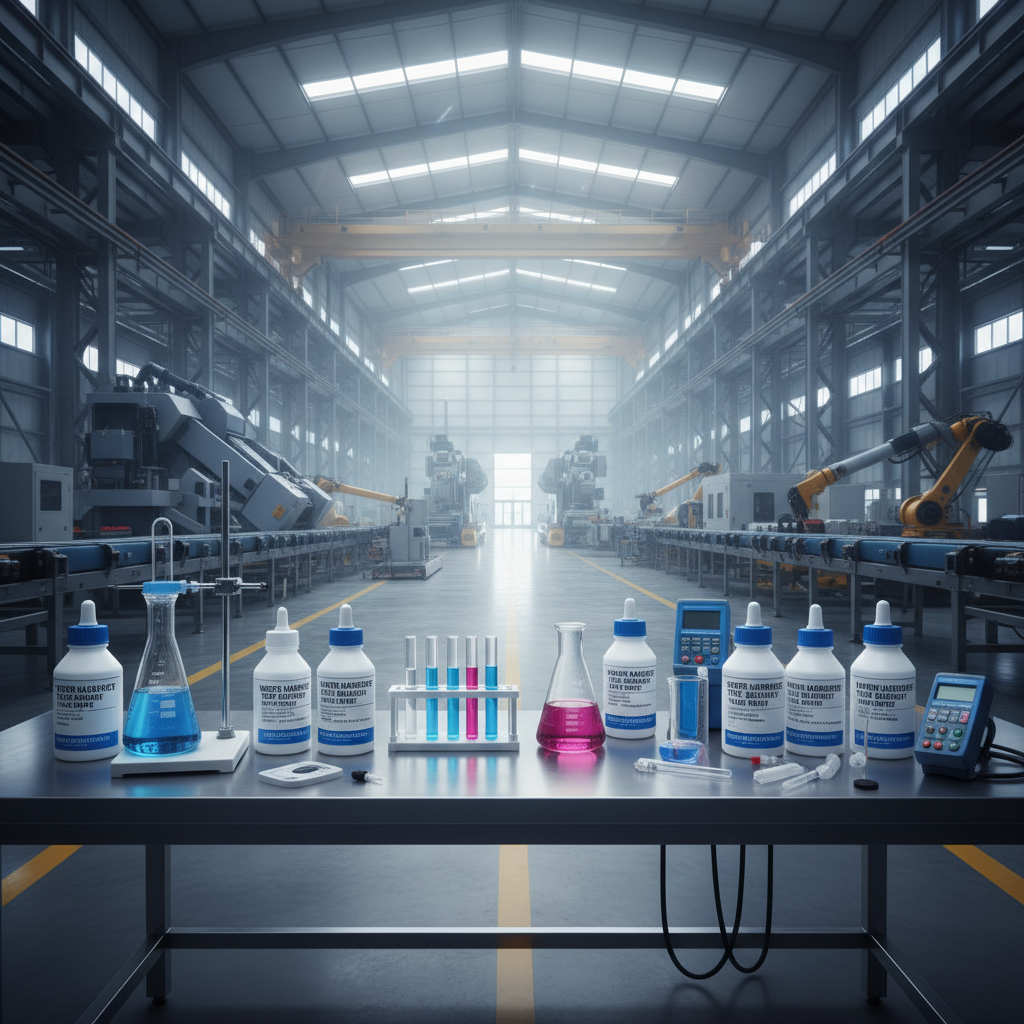
The Importance of Water Hardness Test Reagent
The fundamental purpose of water hardness test reagent is to provide a reliable and quantifiable measure of dissolved calcium and magnesium ions in a water sample. This information is crucial for understanding potential issues related to scaling, corrosion, and the effectiveness of soaps and detergents. Accurate results, achieved with quality water hardness test reagent, allow for targeted water treatment strategies.
Beyond its technical application, the widespread availability of water hardness test reagent empowers individuals and communities to take control of their water quality. It promotes proactive monitoring, informed decision-making regarding water filtration systems, and ultimately, improved health and well-being. A simple test using a quality reagent can prevent costly damage to appliances and ensure optimal performance.
Global Context and Industry Relevance
Water hardness is a global concern, impacting diverse regions and industries. According to the World Health Organization, ensuring safe drinking water quality is a fundamental human right. Hard water, while generally not a health risk, can cause problems in industrial processes, increasing energy consumption and maintenance costs. The ISO standards regarding water quality rely on accurate measurement of hardness parameters, and thus, the availability of reliable water hardness test reagent is essential for compliance.
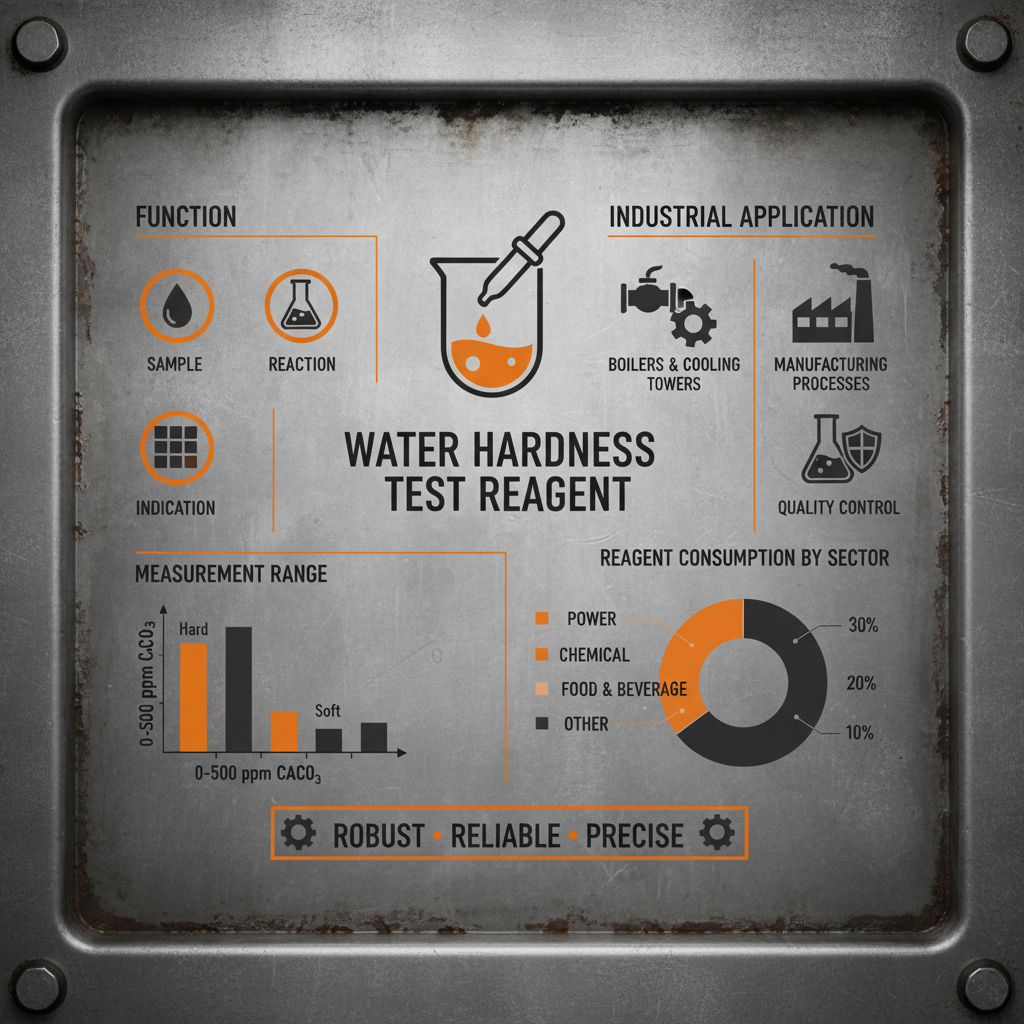
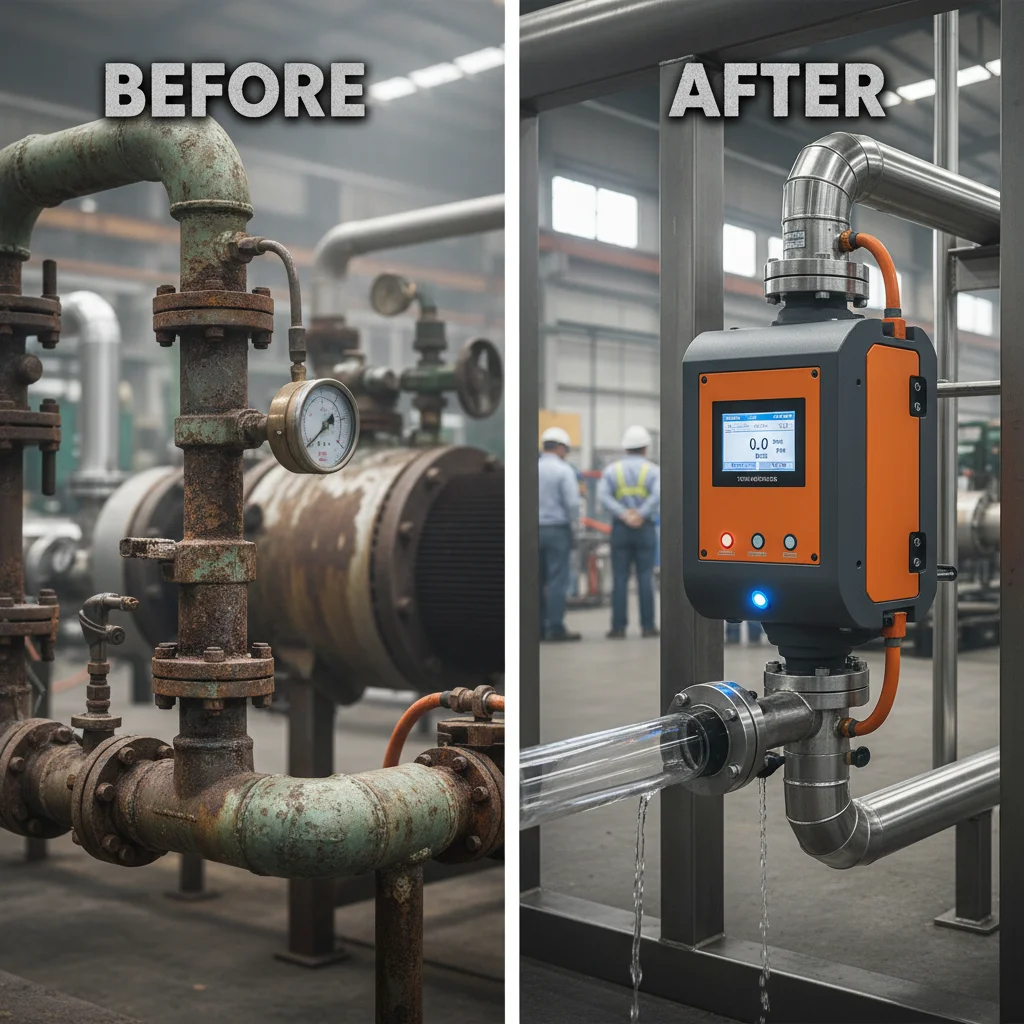
Industries such as power generation, manufacturing, and food processing are particularly sensitive to water hardness. Scale buildup in boilers and pipelines reduces efficiency and can lead to catastrophic failures. Regular monitoring with water hardness test reagent allows for proactive implementation of water softening solutions, preventing these issues. This proactive approach is especially vital in areas with naturally hard water sources.
The increasing scarcity of freshwater resources globally necessitates more efficient water usage and treatment. Accurate water hardness assessment using water hardness test reagent enables optimization of water softening processes, minimizing chemical usage and reducing environmental impact. This supports sustainable water management practices, vital for preserving this precious resource for future generations.
Defining Water Hardness Test Reagent
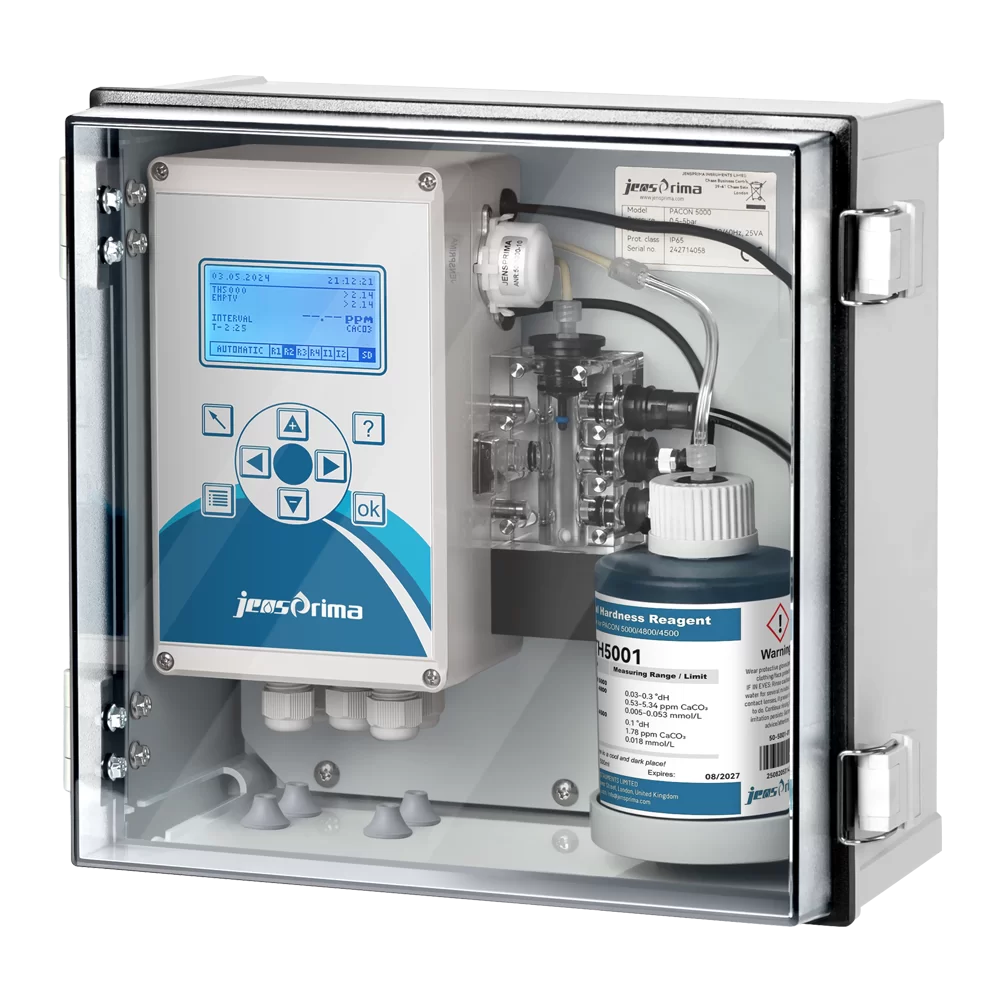
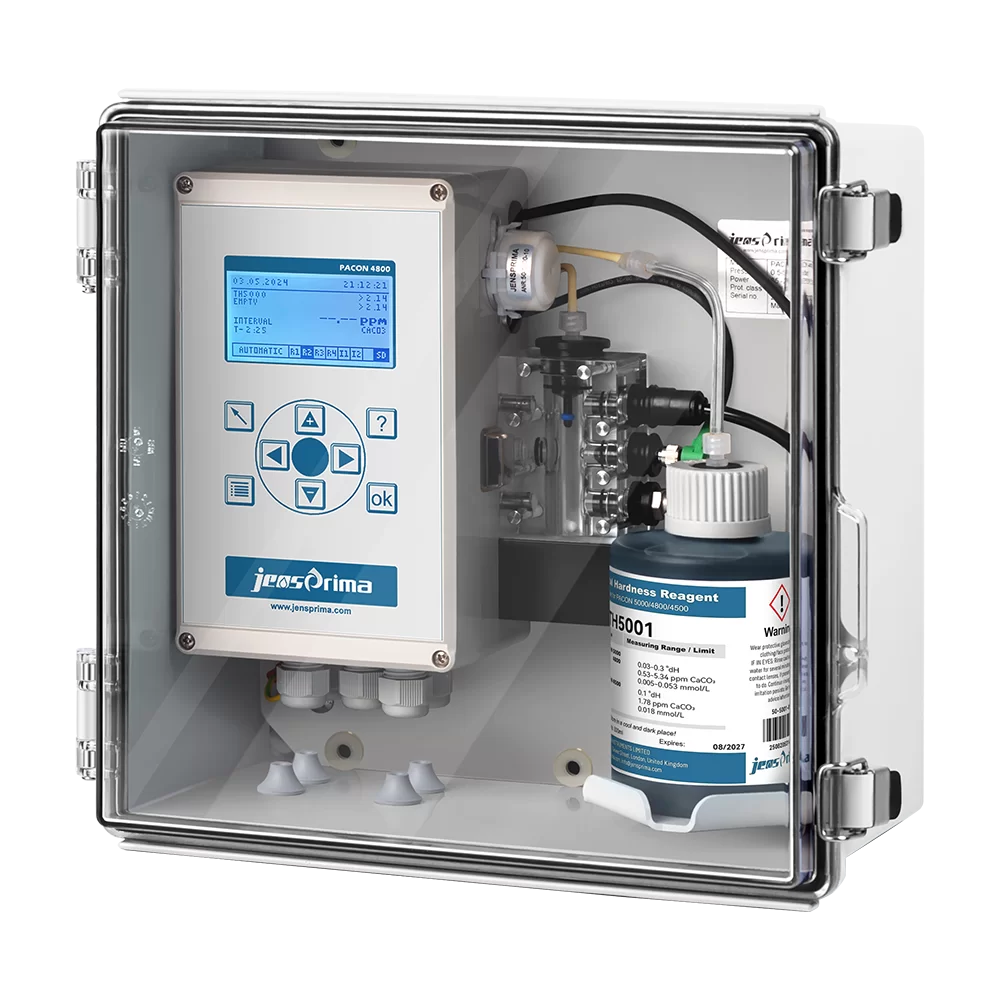
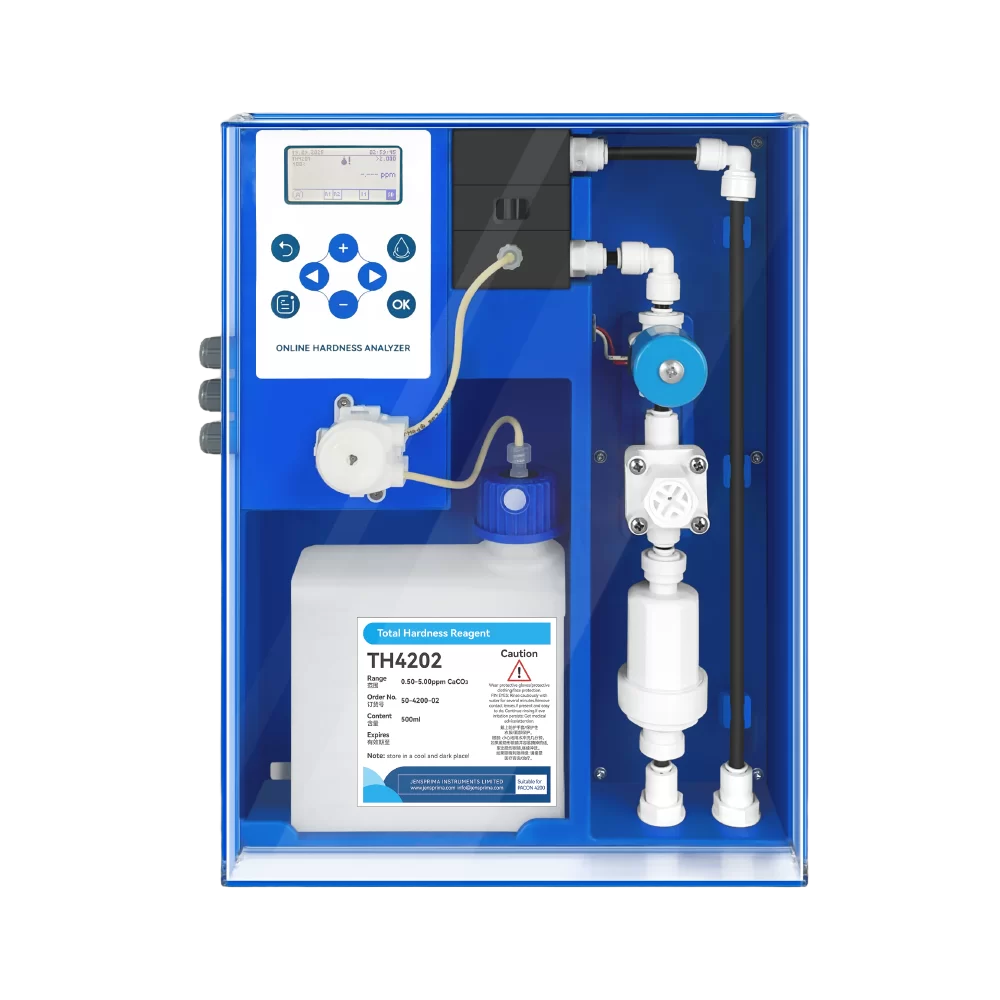
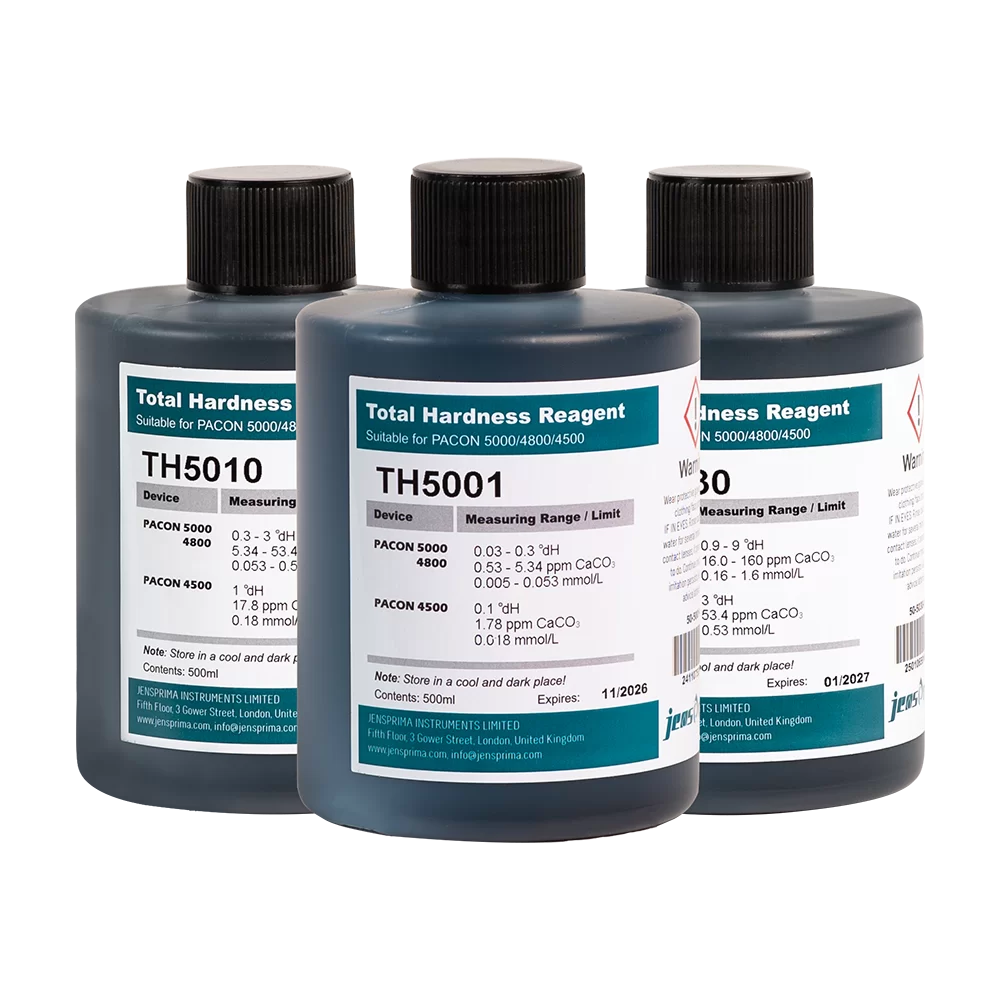
Water hardness test reagent is a chemical solution or kit designed to determine the concentration of calcium and magnesium ions in a water sample. Typically, it involves a titration process where the reagent reacts with the dissolved minerals, producing a color change or precipitate that allows for quantification of hardness levels, often expressed in parts per million (ppm) or grains per gallon (gpg).
The connection to modern industry is profound. Accurate hardness measurement is critical for preventing scaling in boilers, cooling towers, and pipelines. For humanitarian needs, ensuring access to safe and palatable drinking water requires understanding and mitigating the effects of hard water, as it can impact the effectiveness of disinfection processes and the taste of the water.
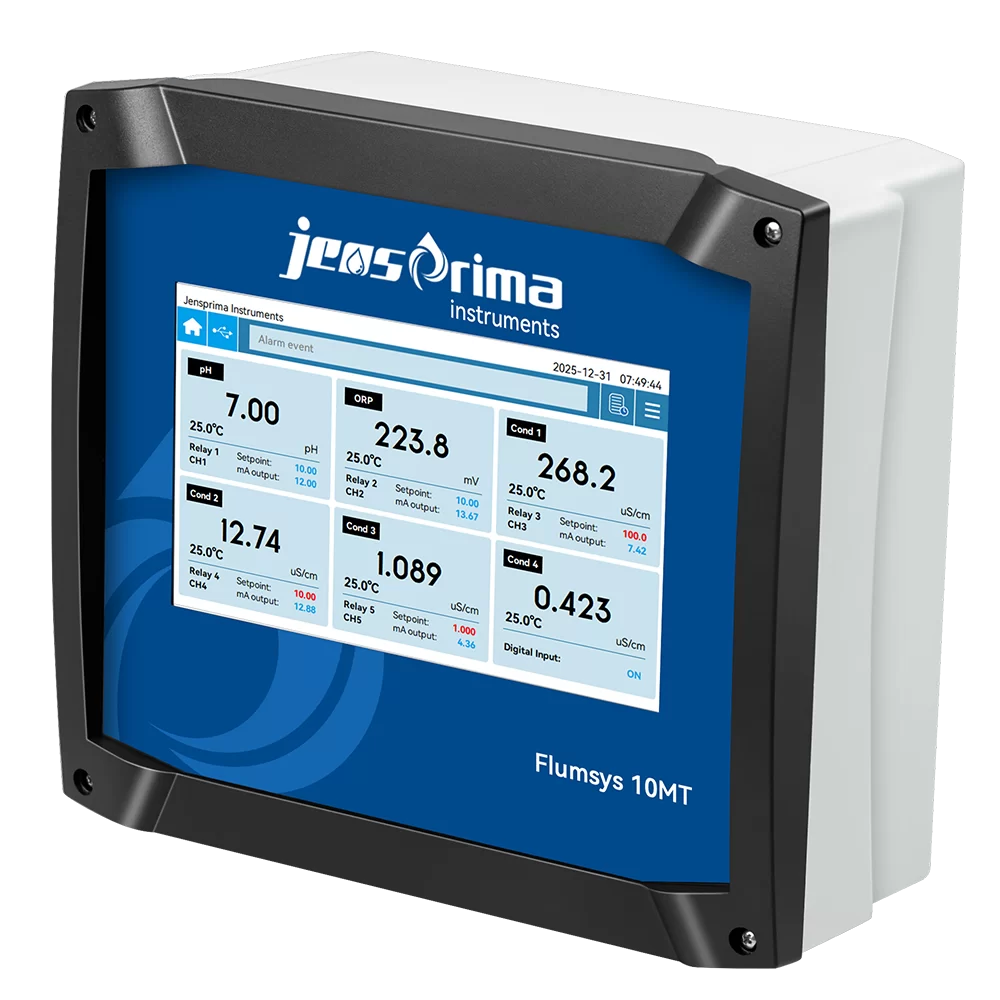
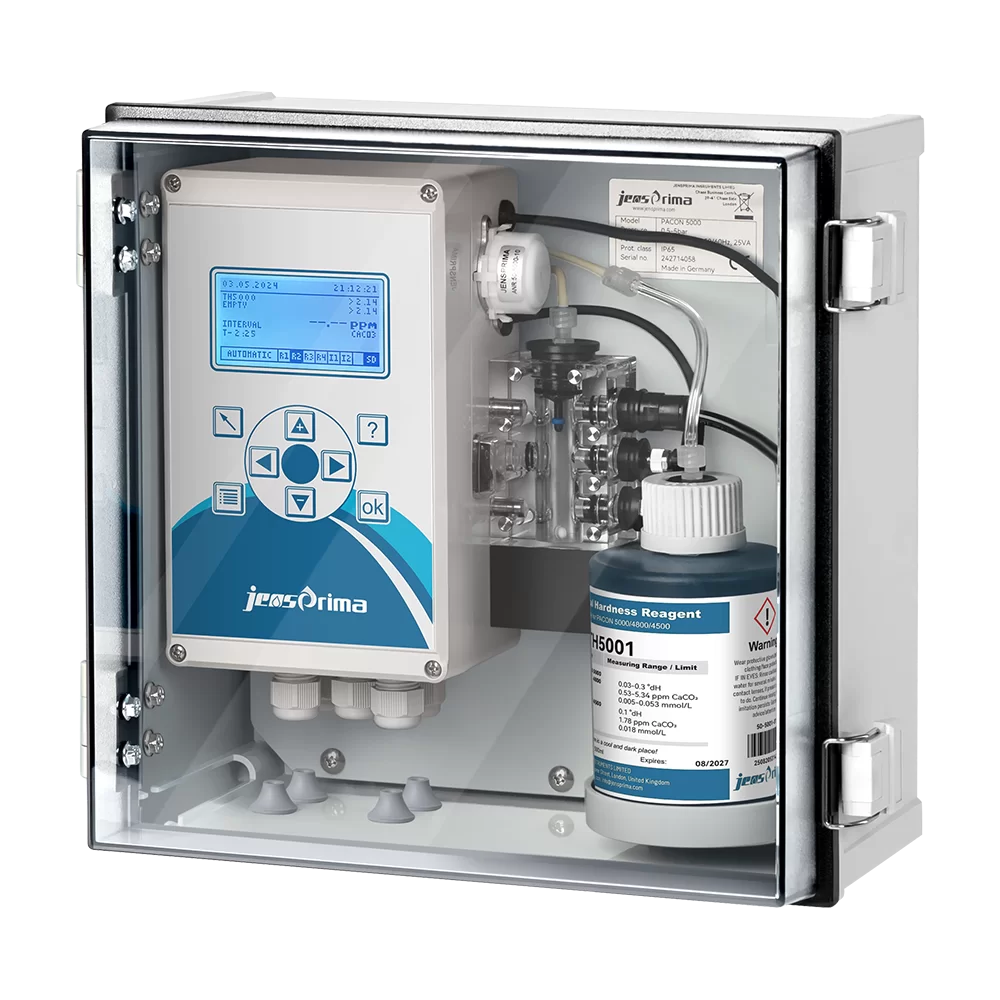
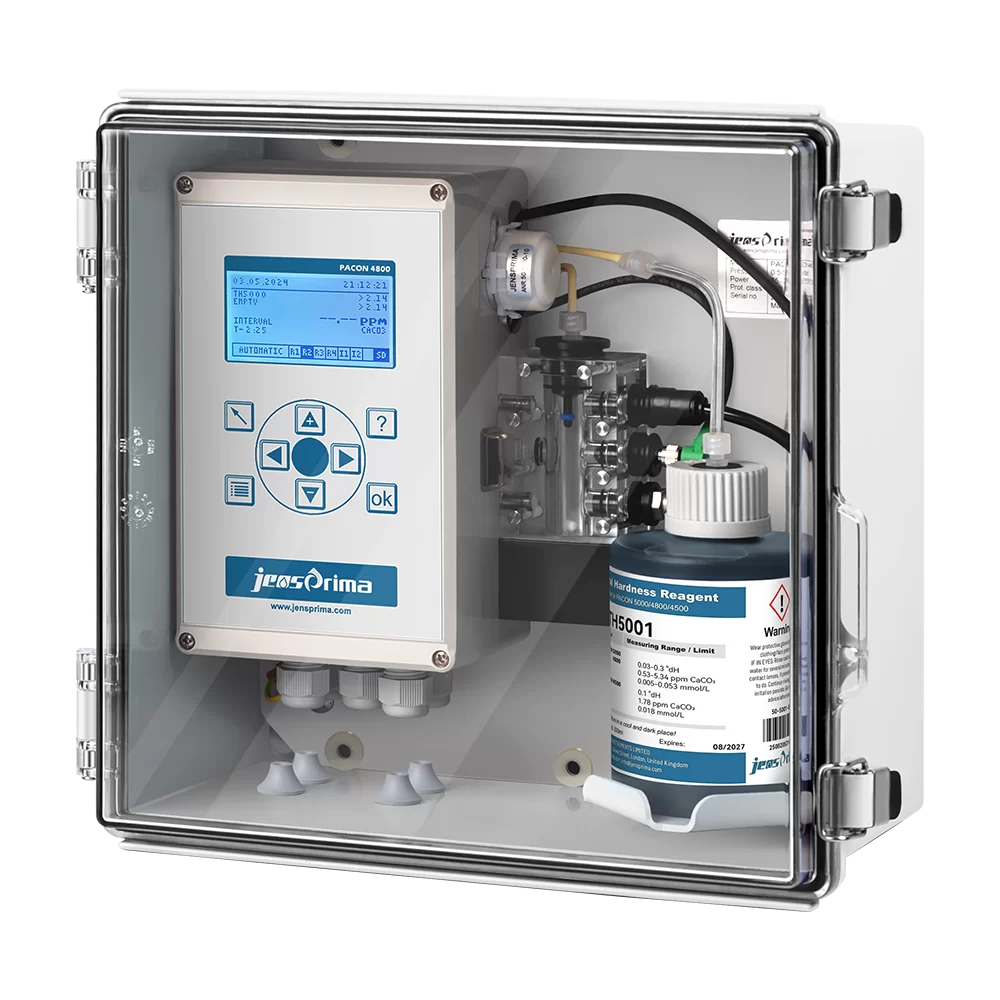
Modern water hardness test reagent formulations are evolving beyond traditional methods. New reagents incorporate improved indicators, simplified procedures, and digital readout capabilities, enhancing accuracy and ease of use. This reflects the growing demand for precise and accessible water quality monitoring solutions worldwide.
Key Components of Effective Reagents
Durability of the reagent is paramount. A stable reagent ensures accurate readings over its shelf life, preventing false positives or negatives due to degradation. This is linked to proper storage conditions and formulation stability. Scalability refers to the ability of the reagent to accommodate varying sample volumes and hardness levels without compromising accuracy.
Cost efficiency is another crucial aspect, particularly for large-scale monitoring programs. Reagents offering a high number of tests per unit volume, coupled with a reasonable price point, provide the best value. Furthermore, the simplicity of use directly impacts cost efficiency, reducing labor requirements and minimizing the risk of errors.
Water Hardness Test Reagent Performance Comparison
Applications Across Industries and Regions
In post-disaster relief operations, rapid assessment of water hardness is critical for determining the suitability of water sources for drinking and sanitation. Similarly, in remote industrial zones lacking advanced water treatment facilities, on-site water hardness testing with a reliable reagent is essential for maintaining equipment integrity.
The agricultural sector benefits from water hardness monitoring to optimize irrigation water quality, preventing mineral buildup in irrigation systems and ensuring efficient nutrient delivery to crops. In the beverage industry, precise water hardness control is crucial for maintaining product consistency and flavor profiles.
Advantages and Long-Term Value
The tangible benefits of using quality water hardness test reagent include reduced maintenance costs for appliances and industrial equipment, decreased energy consumption due to improved heat transfer efficiency, and enhanced effectiveness of cleaning agents. These cost savings accumulate over time, delivering significant long-term value.
From a sustainability perspective, accurate water hardness monitoring supports responsible water management practices, minimizing chemical usage in water softening processes and reducing overall environmental impact. The social impact is equally significant, as it ensures access to safe and palatable drinking water, promoting public health and well-being.
Future Trends and Innovations
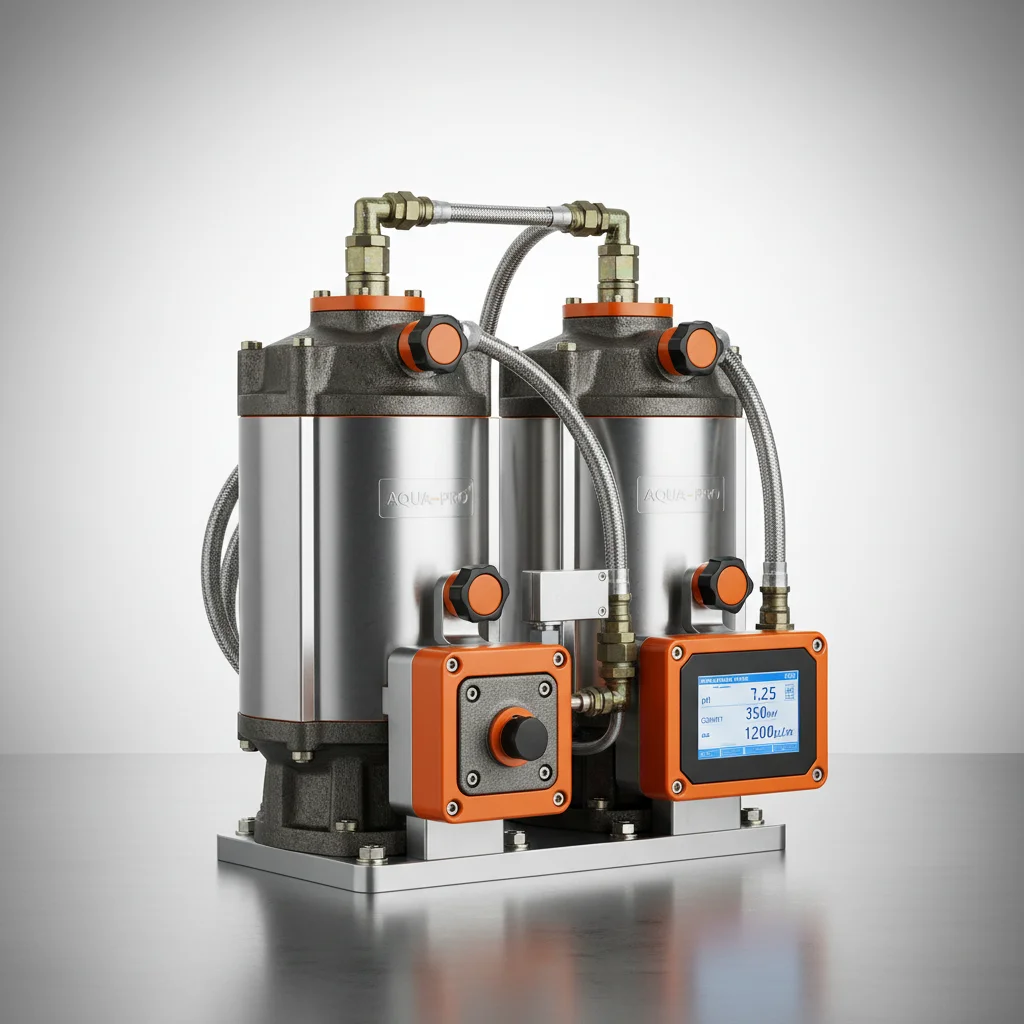
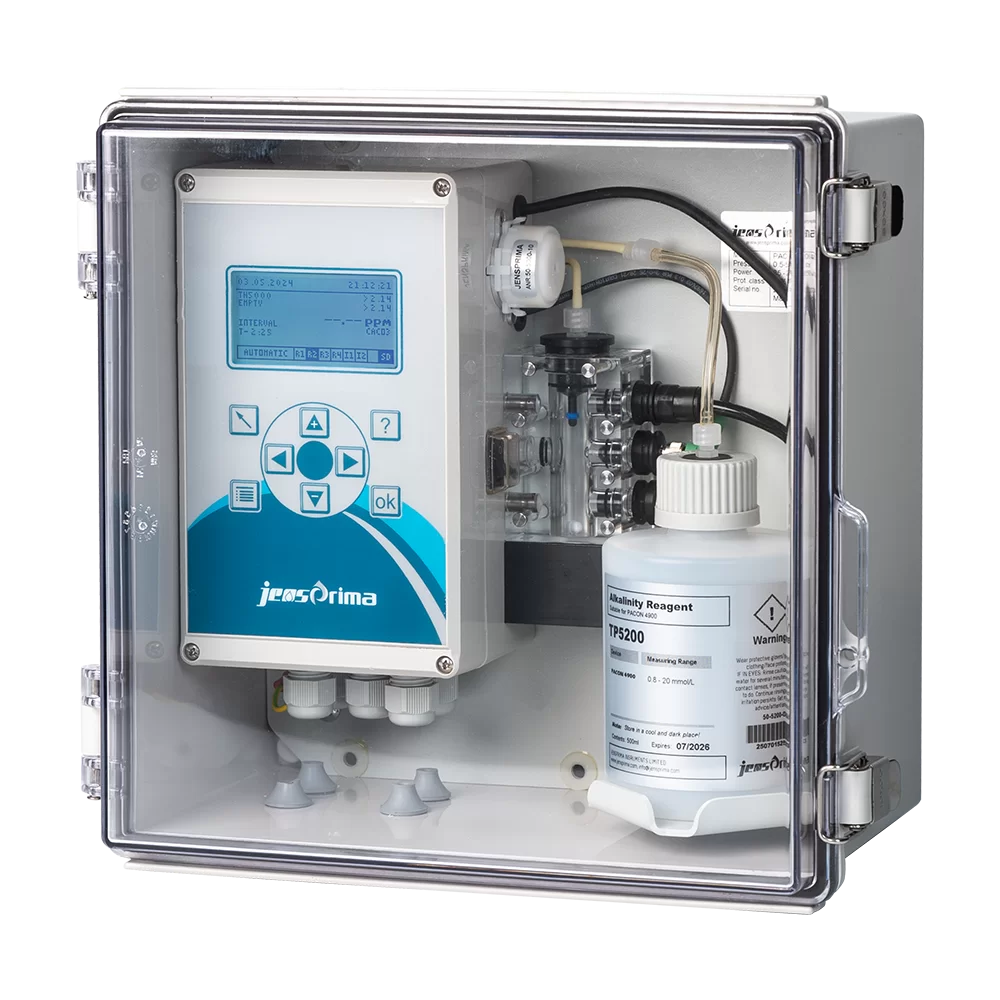
The future of water hardness test reagent lies in the development of more sophisticated and user-friendly technologies. This includes the integration of digital sensors and data analytics for real-time monitoring and remote reporting. Portable, handheld devices offering rapid and precise measurements are also gaining traction.
Advancements in nanomaterials and biosensors hold promise for creating highly sensitive and selective reagents capable of detecting even trace amounts of hardness-causing minerals. Furthermore, the increasing emphasis on green chemistry is driving the development of environmentally friendly reagent formulations, minimizing the use of hazardous chemicals.
Automation and artificial intelligence are also poised to play a significant role, enabling automated water quality monitoring systems that can proactively identify and address hardness issues before they escalate. These innovations will contribute to more efficient, sustainable, and reliable water management practices worldwide.
Summary of Water Hardness Test Reagent Challenges and Solutions
| Challenge |
Impact on Accuracy |
Proposed Solution |
Implementation Cost (1-10) |
| Reagent Degradation |
Inaccurate readings over time |
Improved storage protocols and stabilized formulations |
3 |
| User Error in Titration |
Subjective endpoint determination |
Digital endpoint detection and automated titration systems |
6 |
| Interference from Other Ions |
False positive readings |
Reagents with increased selectivity for calcium and magnesium |
5 |
| Limited Shelf Life |
Requires frequent replacement |
Lyophilized reagent formulations for extended storage |
4 |
| Cost of Reagents |
Barrier to frequent monitoring |
Bulk purchasing options and more efficient reagent formulations |
2 |
| Lack of Standardization |
Inconsistent results between different reagents |
Adoption of globally recognized standards for reagent performance |
7 |
FAQS
The typical shelf life of a water hardness test reagent kit varies depending on the formulation and storage conditions, but generally ranges from 12 to 24 months. It's crucial to store the kit in a cool, dry place, away from direct sunlight and extreme temperatures, to maximize its longevity. After the expiration date, the reagent's accuracy may be compromised, leading to unreliable results.
Hard water promotes the buildup of scale (calcium and magnesium deposits) inside water heaters. This scale acts as an insulator, reducing the heater’s efficiency and requiring more energy to heat the water. Over time, scale buildup can lead to overheating, premature failure, and increased energy bills. Regular testing with water hardness test reagent allows for timely intervention with softening solutions.
Water hardness is commonly measured in parts per million (ppm) or grains per gallon (gpg). One grain per gallon is equivalent to 17.1 ppm. Generally, 0-60 ppm is considered soft, 60-120 ppm is moderately hard, 120-180 ppm is hard, and above 180 ppm is very hard. Your water hardness test reagent kit will likely provide results in one of these units.
Yes, water hardness test reagent kits are perfectly suitable for testing well water. In fact, well water often has higher mineral content and hardness levels compared to municipal water supplies. Regular testing is particularly important for well water users to ensure water quality and protect their plumbing and appliances.
Temporary hardness is caused by calcium bicarbonate and magnesium bicarbonate, which can be removed by boiling. Permanent hardness is caused by calcium sulfate, magnesium sulfate, and calcium chloride, which cannot be removed by boiling. Water hardness test reagent typically measures the total hardness, encompassing both temporary and permanent forms.
The frequency of testing depends on your water source and usage. If you have well water, testing at least annually is recommended. For municipal water, testing every 2-3 years is generally sufficient. If you notice signs of scale buildup or decreased soap effectiveness, more frequent testing with water hardness test reagent is advisable.
Conclusion
In conclusion, water hardness test reagent is an indispensable tool for maintaining water quality, optimizing industrial processes, and protecting household infrastructure. Its ability to provide accurate and accessible data on mineral content empowers informed decision-making regarding water treatment and usage. The advancements in reagent technology, coupled with increasing awareness of sustainable water management, underscore its continued importance in a resource-constrained world.
Looking ahead, the integration of smart sensors, digital analytics, and environmentally friendly formulations will further enhance the value of water hardness testing. We encourage you to prioritize regular water quality monitoring and explore the solutions offered by Jensprima. Visit our website to learn more about our range of water hardness test reagent and related products.


 Download
 Video Center
 Technical Services
 FAQS
FAQS Service Network
 Privacy Policy
 Contact Us