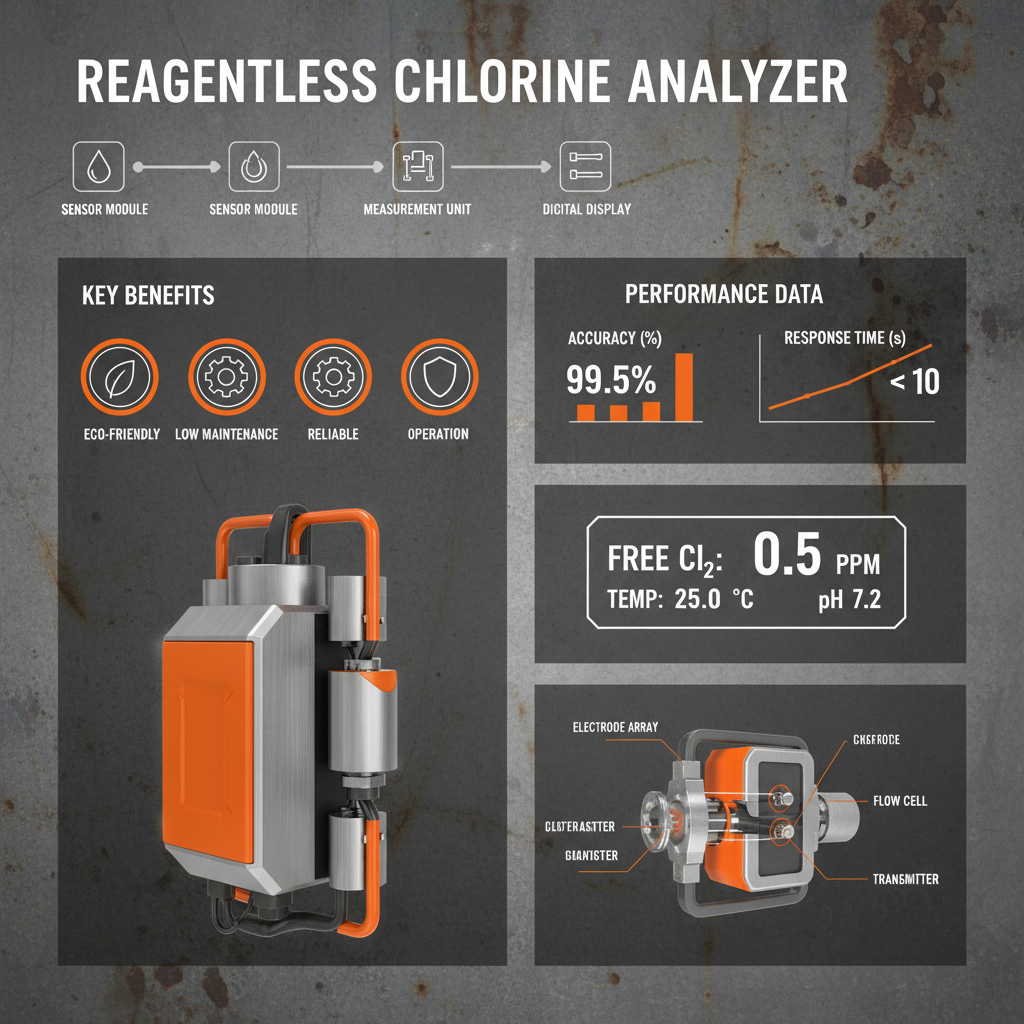
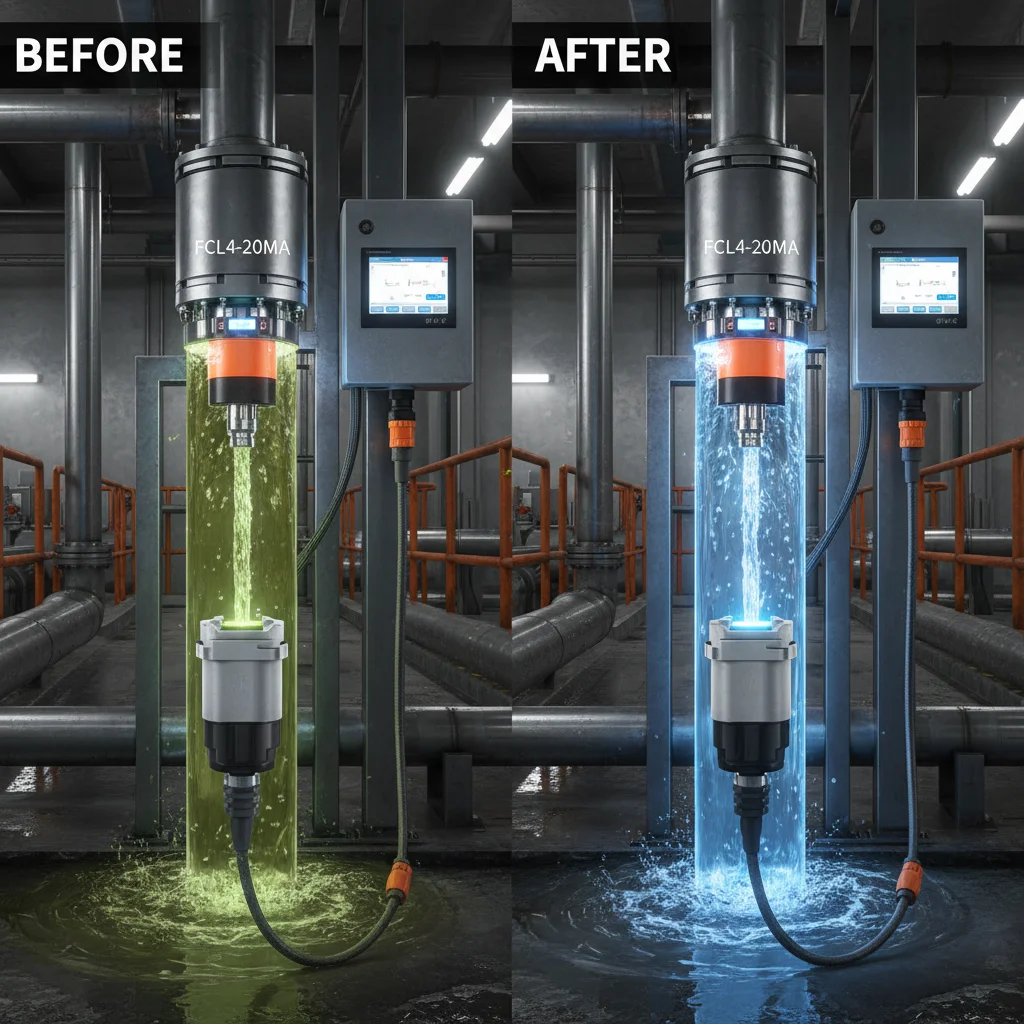
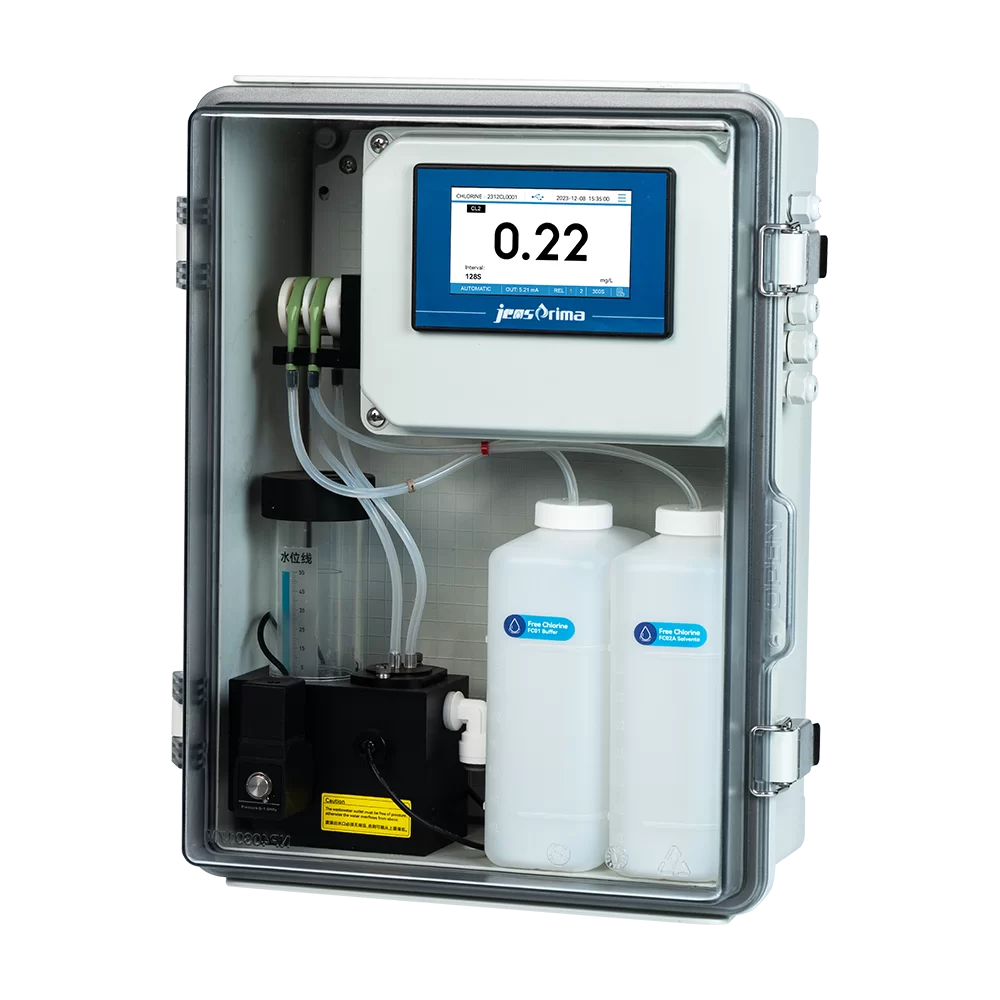
Look, I've spent the last 15 years on construction sites, elbows deep in concrete dust and talking shop with the guys actually building things. We’re moving past the days of relying on colorimetric tests and messy reagents for chlorine analysis. That’s where a reagentless chlorine analyzer comes in. It's not just a piece of equipment; it’s about real-time control, safety, and frankly, saving headaches. I’ve seen projects delayed because of inaccurate readings, and it’s a pain for everyone involved. This tech is changing the game for water treatment, from municipal systems to industrial cooling towers, and even smaller applications like swimming pools.
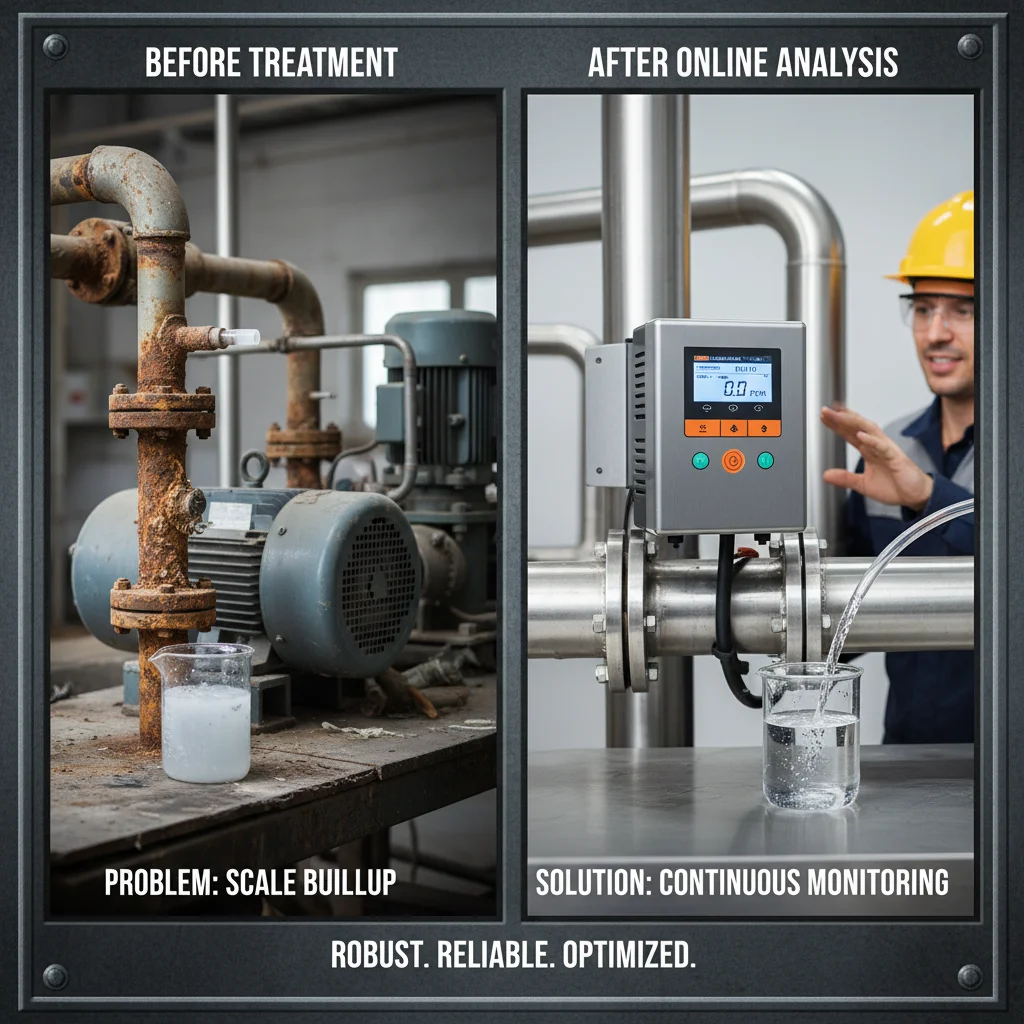
The old methods? They’re slow, prone to human error, and generate hazardous waste. That’s not just bad for the environment, it adds cost. A reagentless chlorine analyzer gives you a continuous, accurate reading without all the hassle. I’ve seen firsthand how these analyzers streamline the process and give operators the data they need to make immediate adjustments. It’s about taking the guesswork out of the equation and ensuring we're delivering safe, clean water.
From my experience, these aren't just for the big players either. Smaller operations, like wastewater treatment plants in rural areas, can greatly benefit from the reduced maintenance and operational costs. Plus, they’re getting more robust and user-friendly. I’ve talked to operators who were hesitant to embrace new technology, but once they saw the simplicity and reliability of these analyzers, they were sold. It’s a genuine improvement for on-site process management.
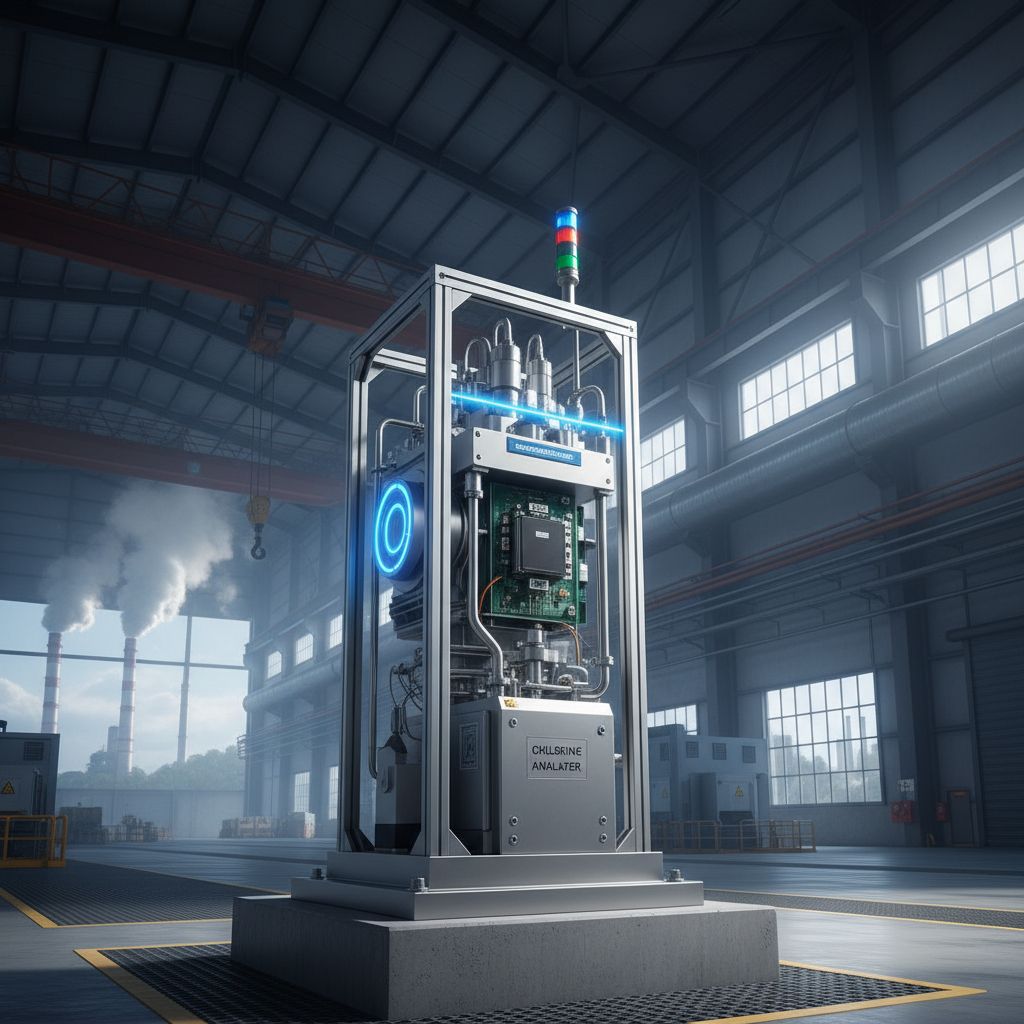
The Core Benefits of Reagentless Chlorine Analyzers
Honestly, the biggest benefit I see in the field is reduced downtime. Traditional methods require constant calibration and reagent replacement. A reagentless chlorine analyzer just…works. That translates to more consistent operation and fewer interruptions.
Then there’s the safety aspect. Reagents are often corrosive and require special handling and disposal. Eliminating those chemicals significantly reduces risk for the operators. It’s a small change that makes a big difference in day-to-day work and keeps everyone safer.
The Global Need for Accurate Chlorine Monitoring
You look at the stats – the UN estimates that billions of people lack access to safe drinking water. Chlorine disinfection is critical, but it needs to be precise. Too little, and you risk waterborne illnesses. Too much, and you’re dealing with disinfection byproducts. We can’t afford to get this wrong.
The World Health Organization sets strict guidelines for chlorine residuals, and meeting those guidelines requires reliable monitoring. It’s not just about developing countries, either. Aging infrastructure in developed nations means we’re seeing more frequent water quality issues, increasing the need for accurate, real-time data. A reagentless chlorine analyzer is a key tool in addressing these challenges.
ISO standards are becoming increasingly stringent, demanding greater accountability and traceability in water treatment processes. These analyzers provide the data needed to demonstrate compliance and ensure consistent water quality, providing peace of mind for both operators and consumers.
Defining Reagentless Chlorine Analysis
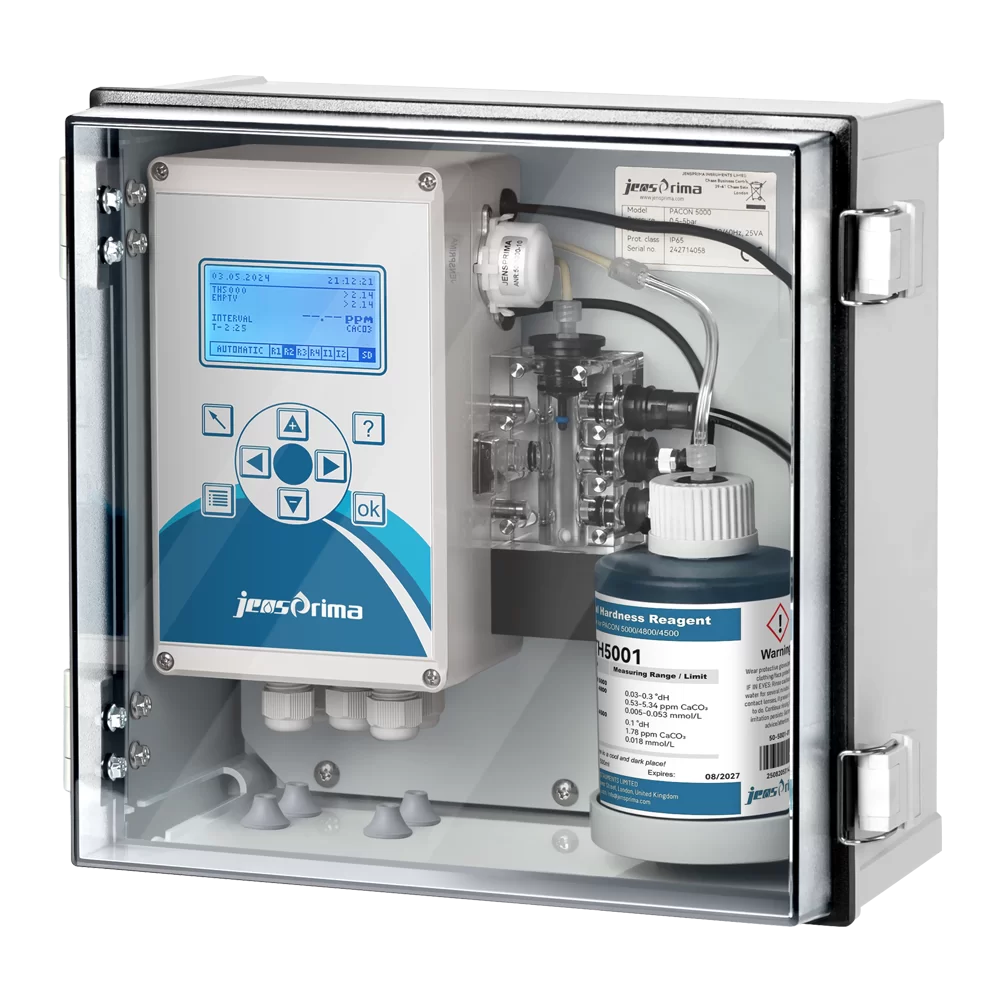
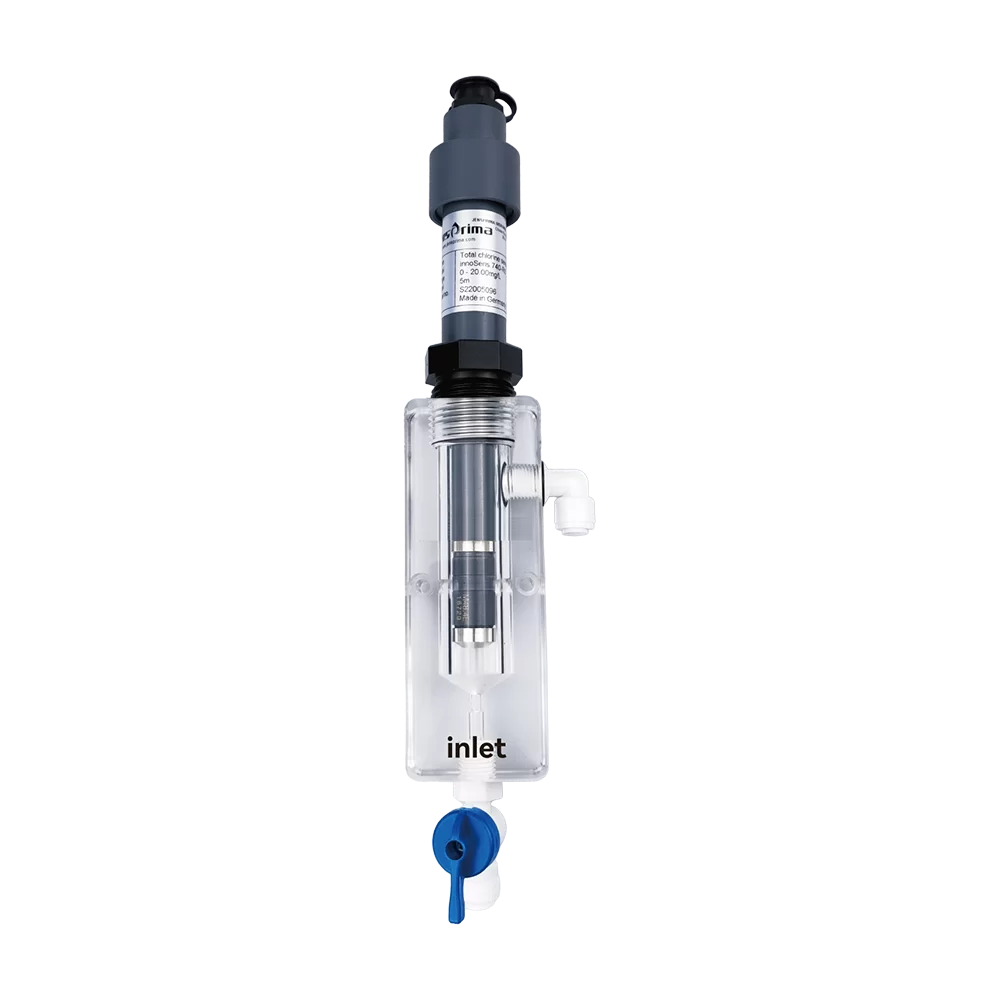
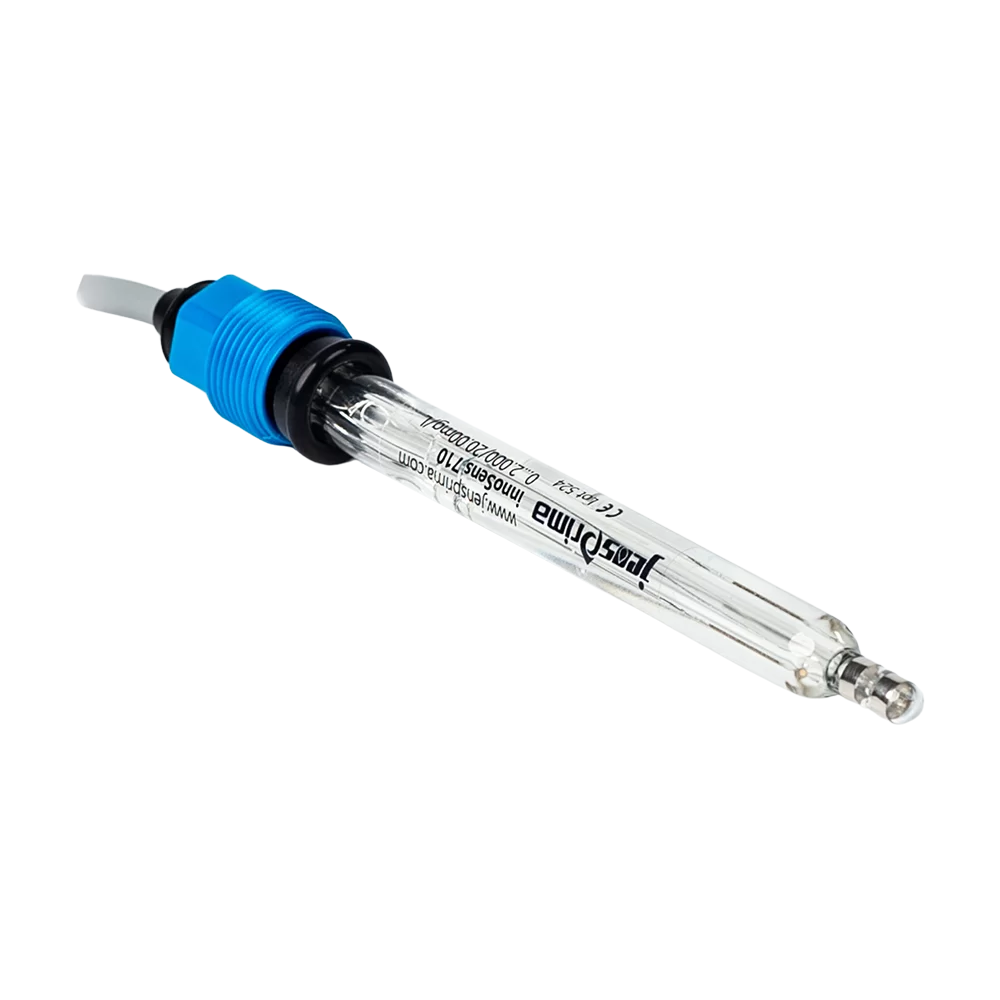
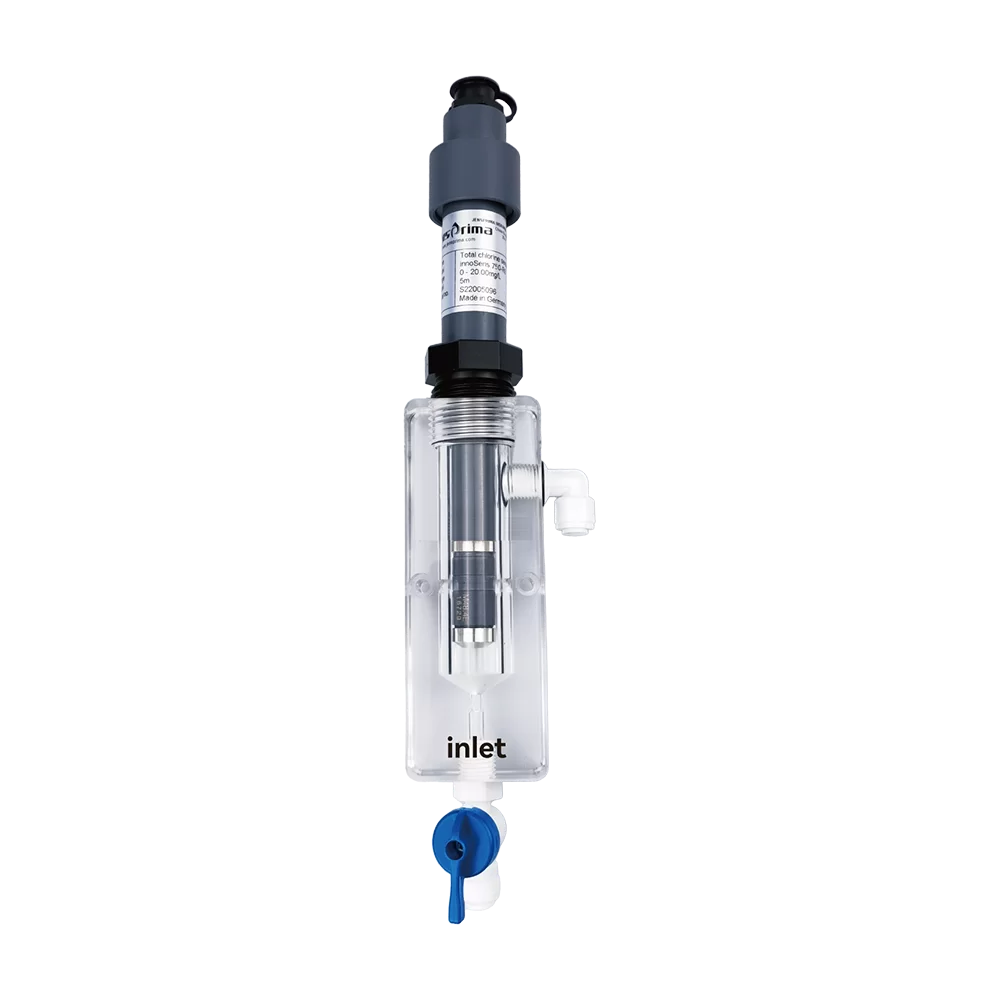
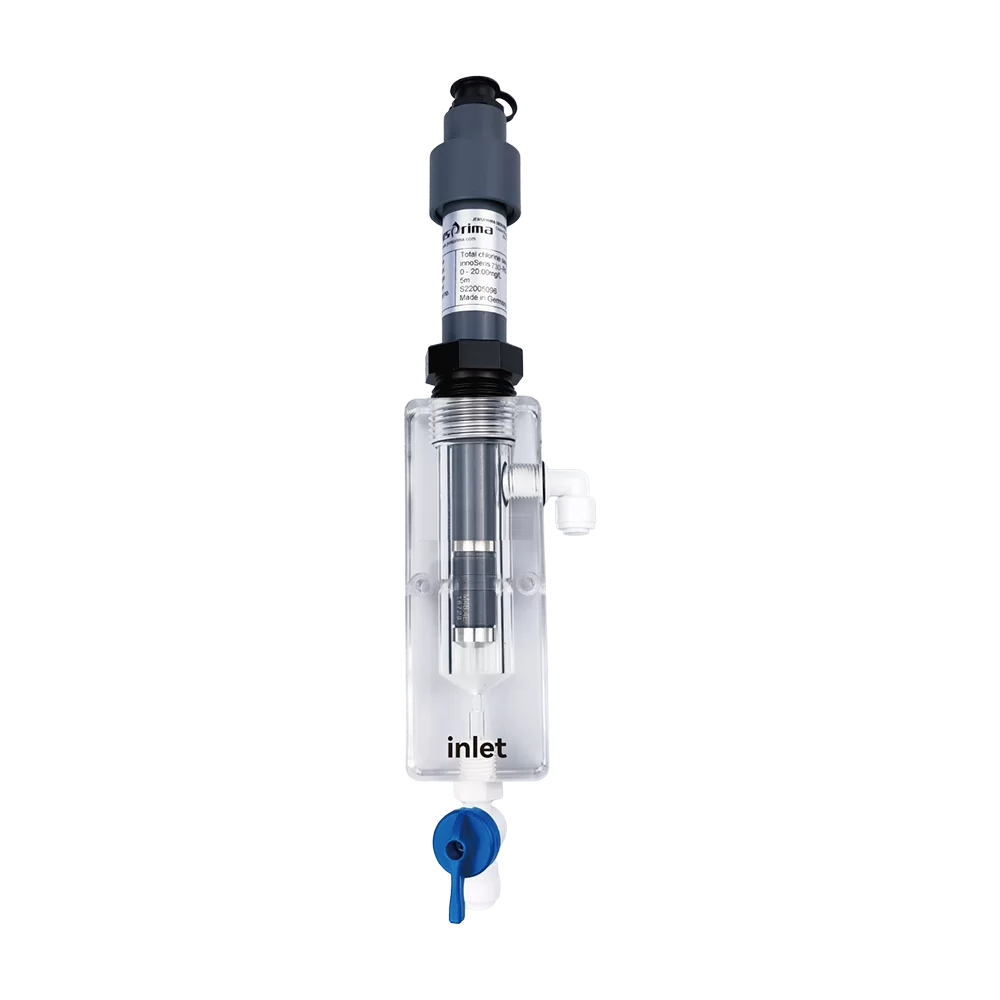
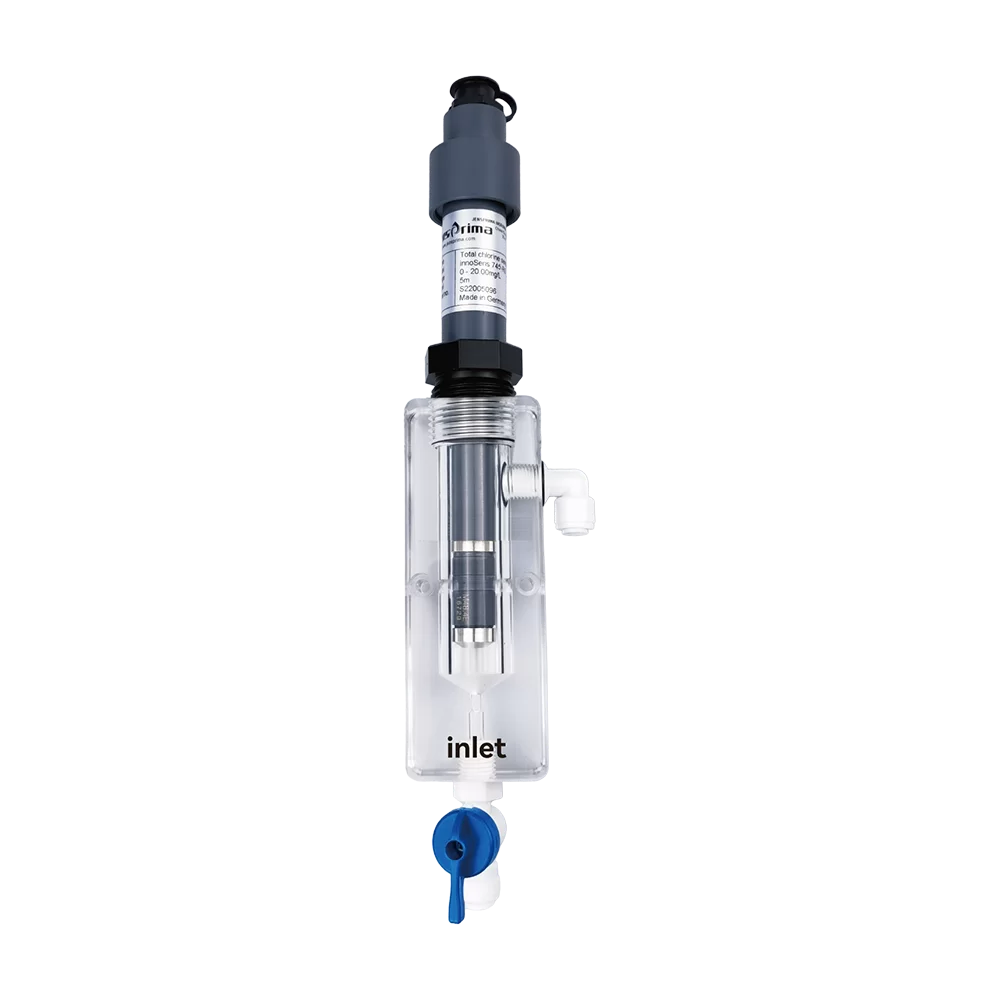
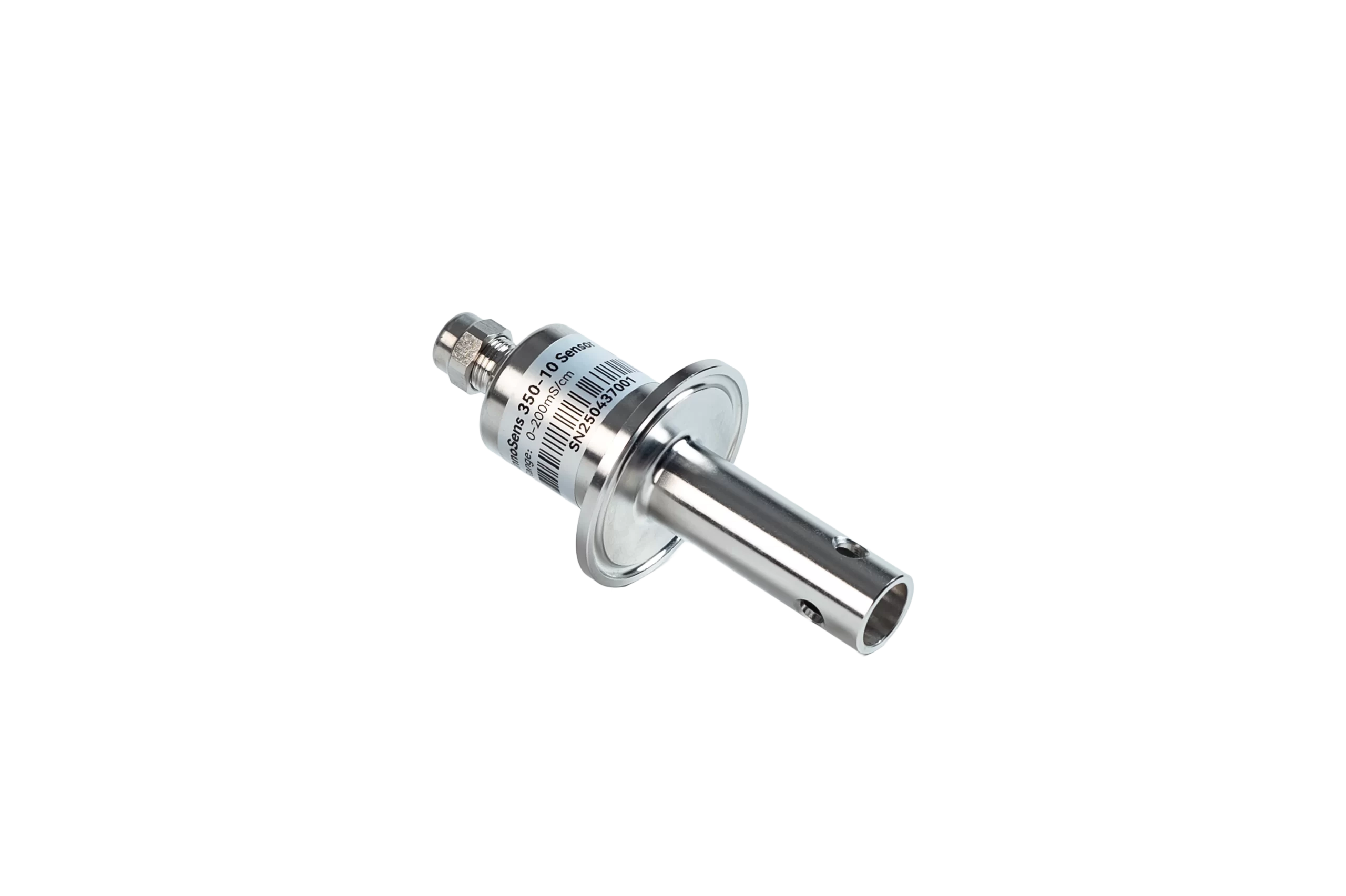
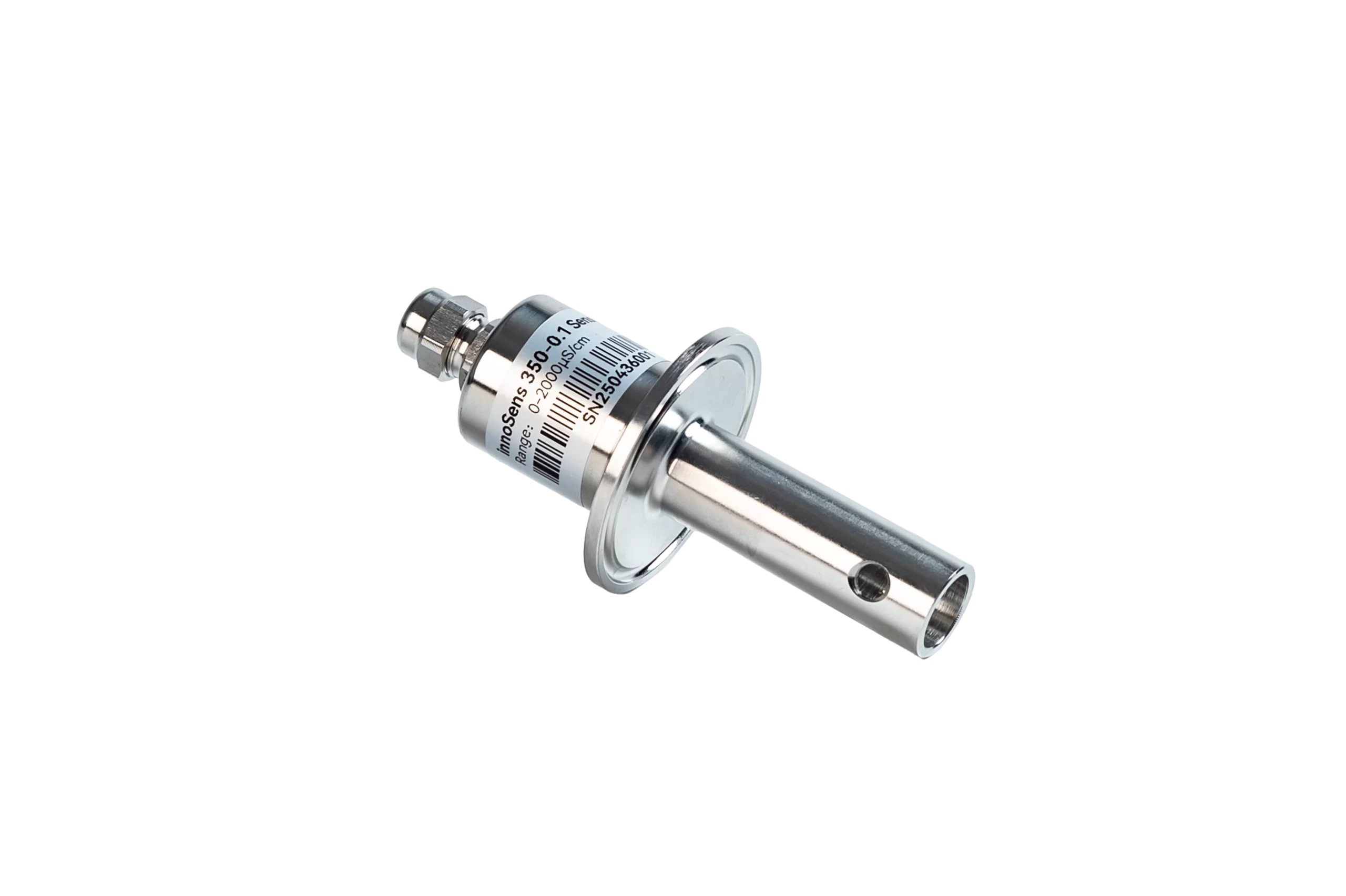
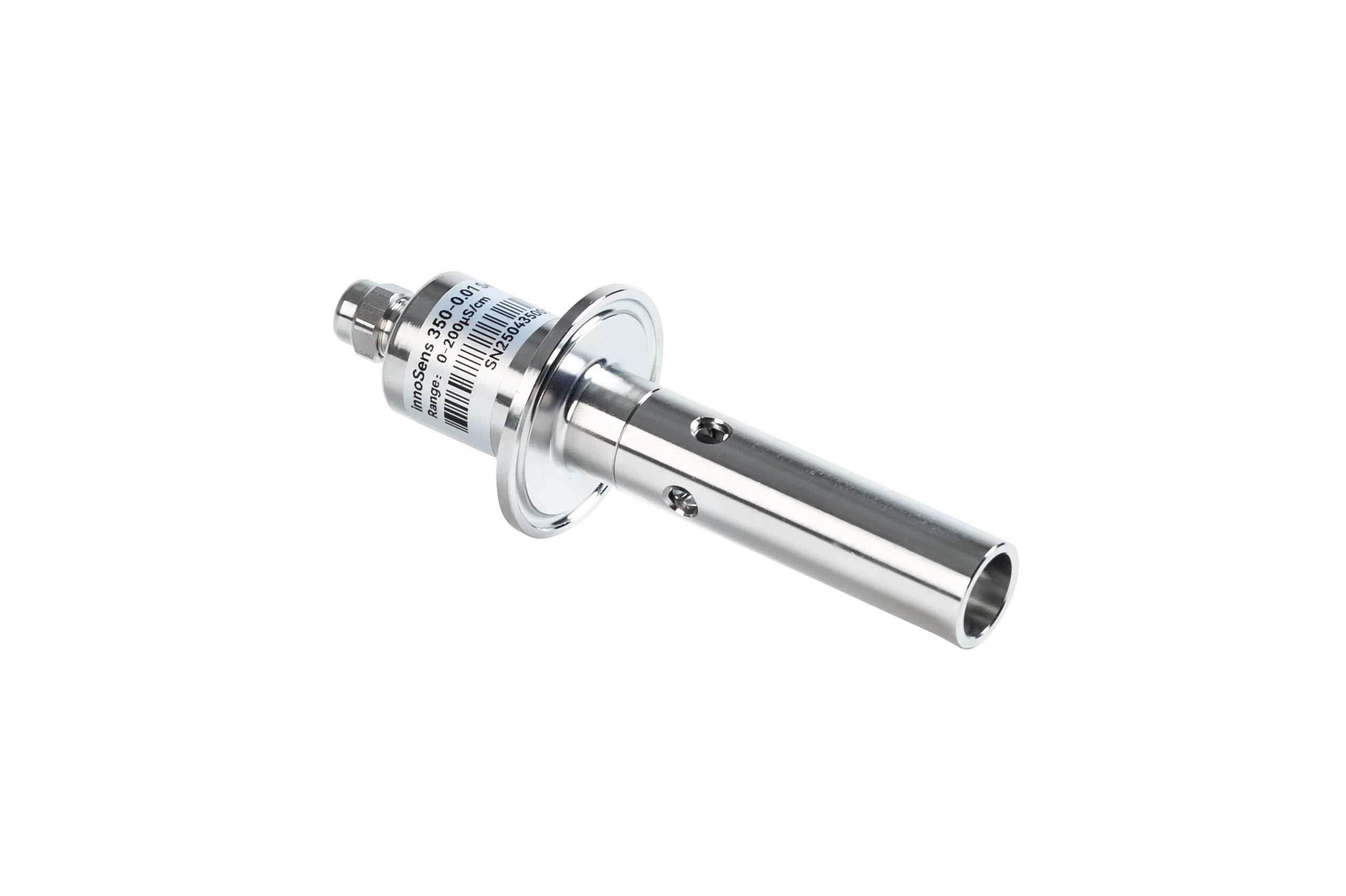
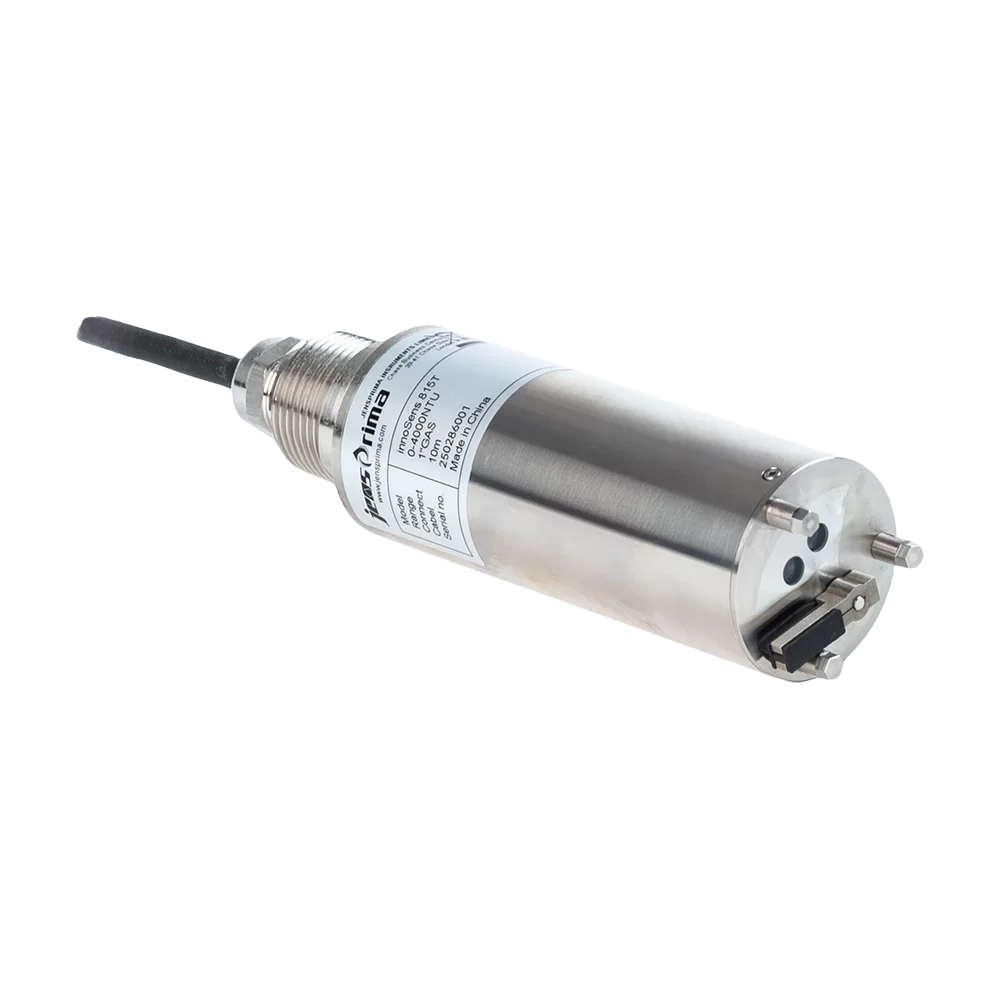
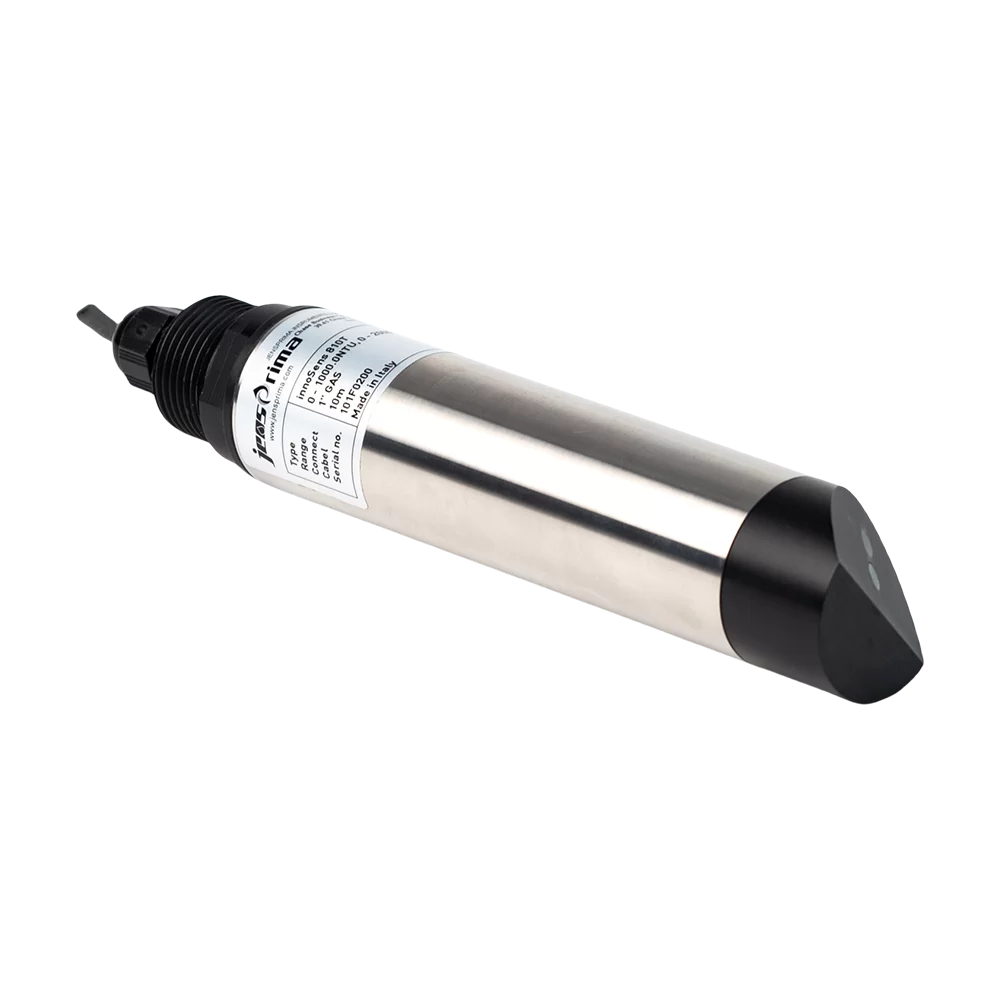
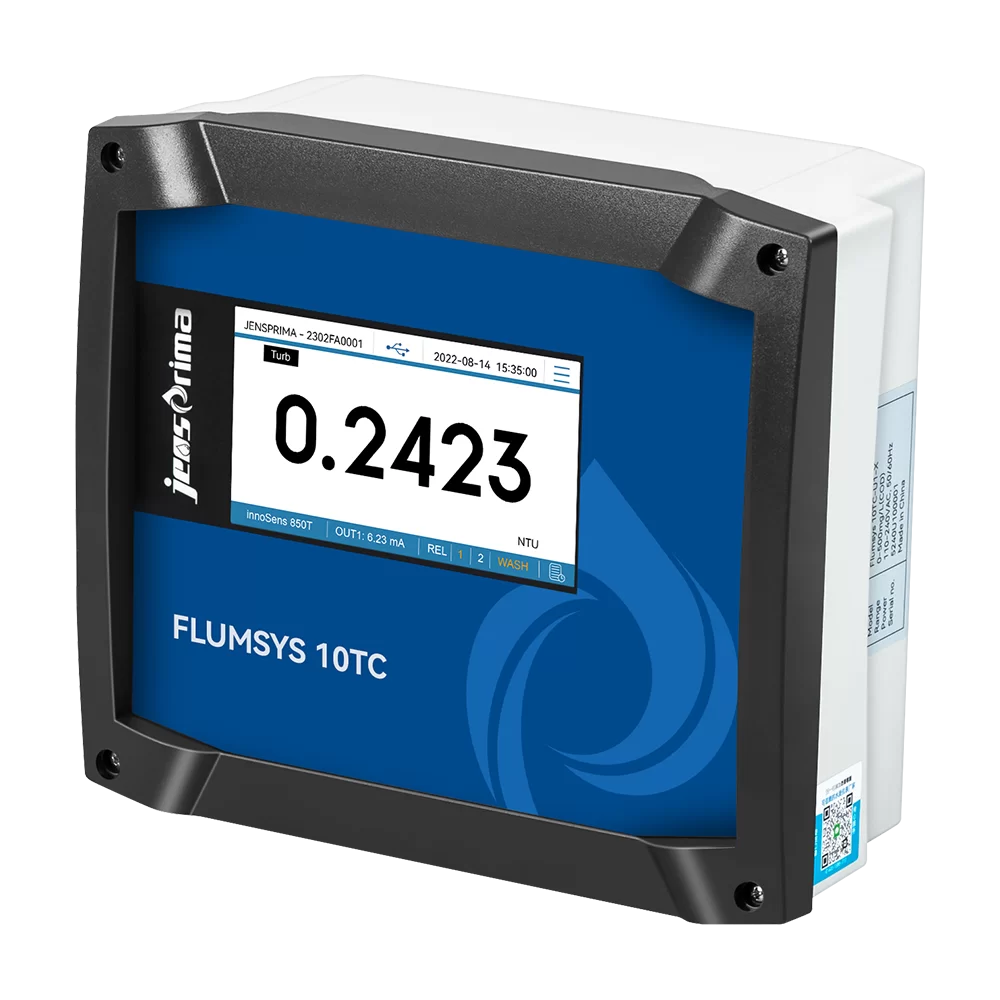
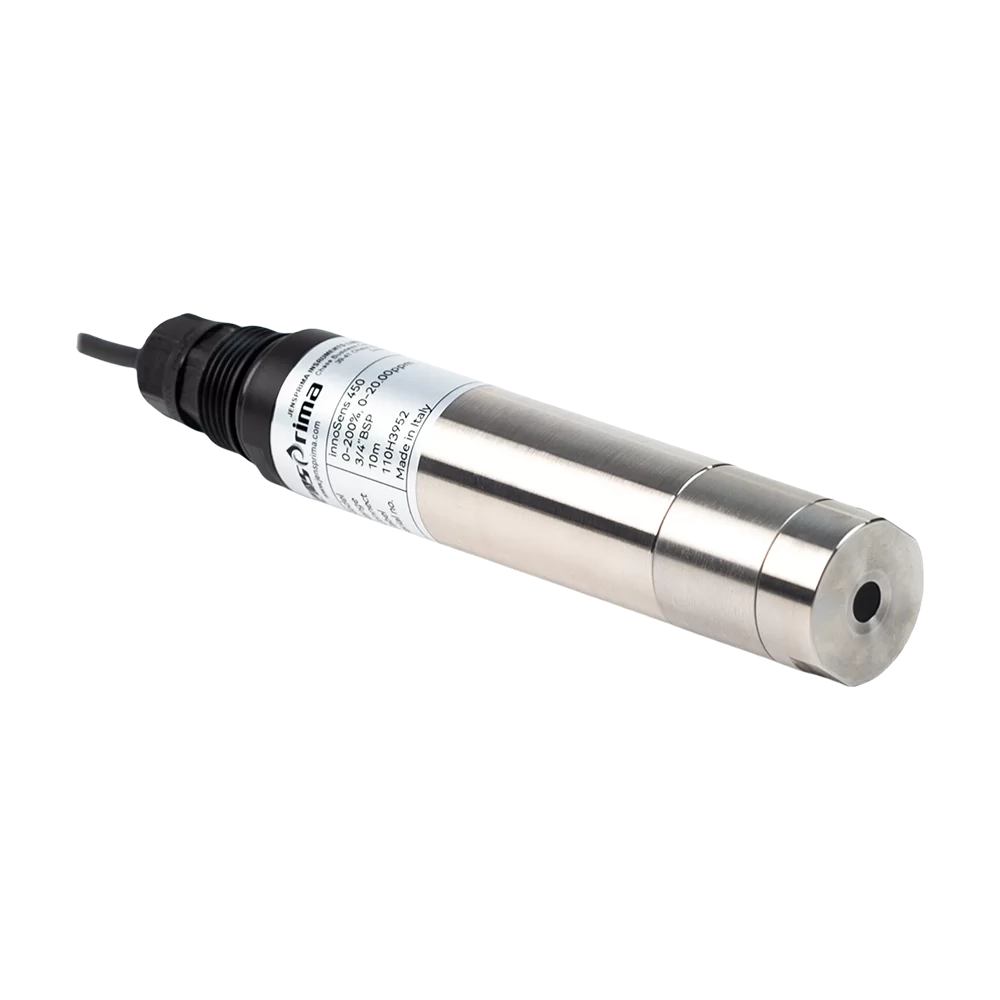
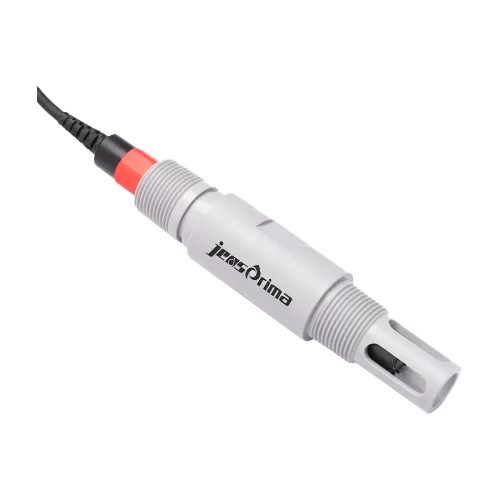
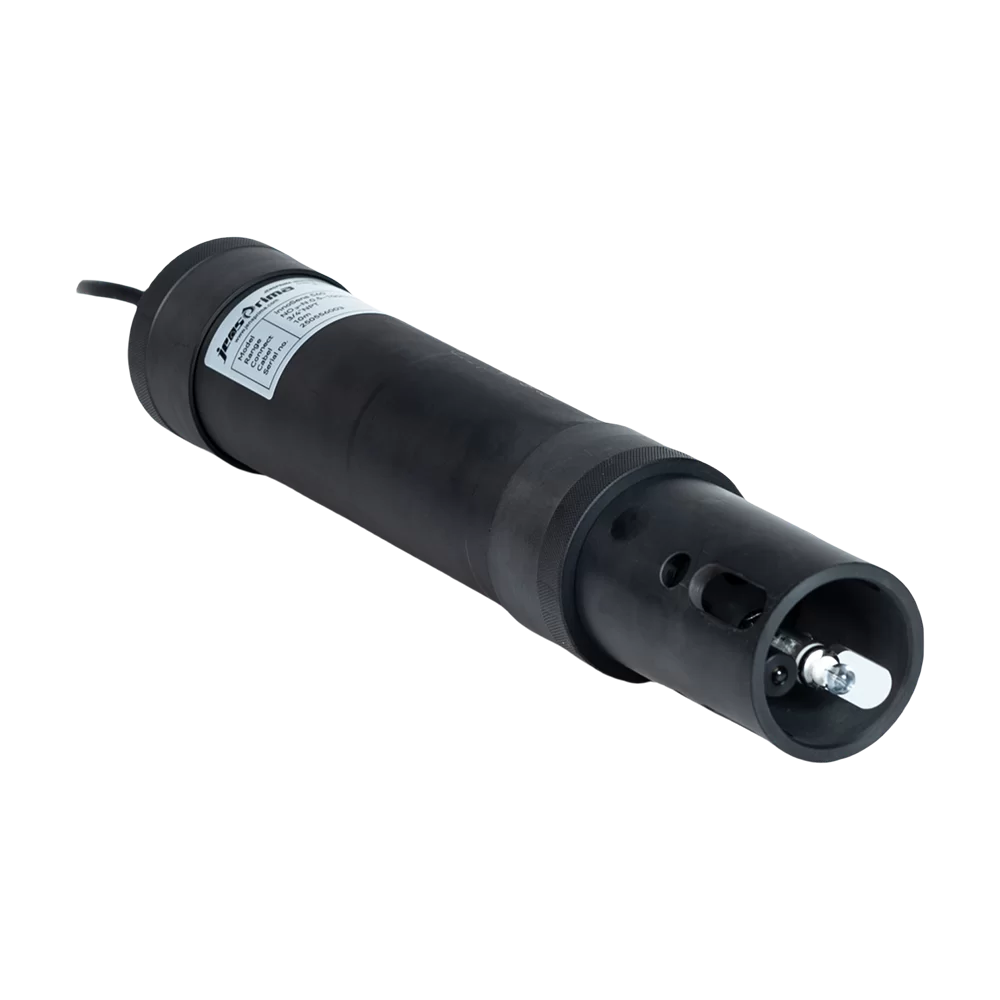
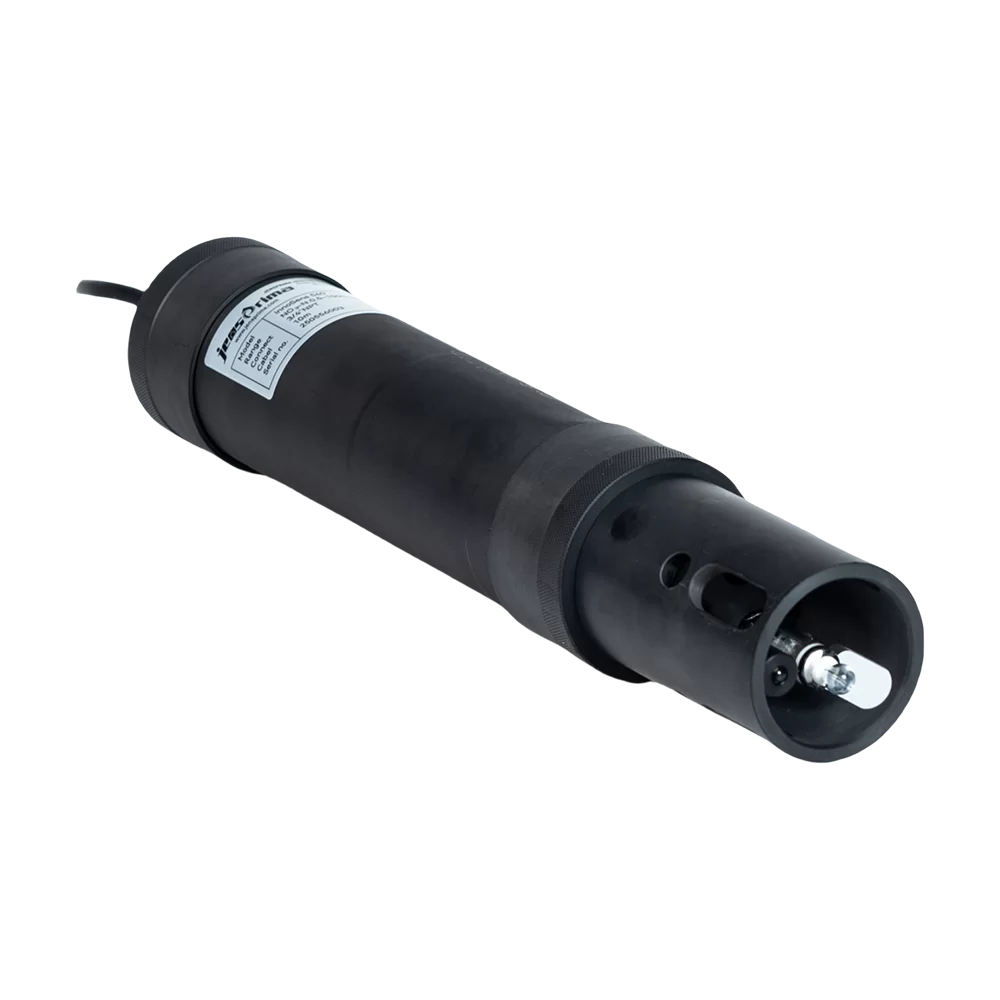
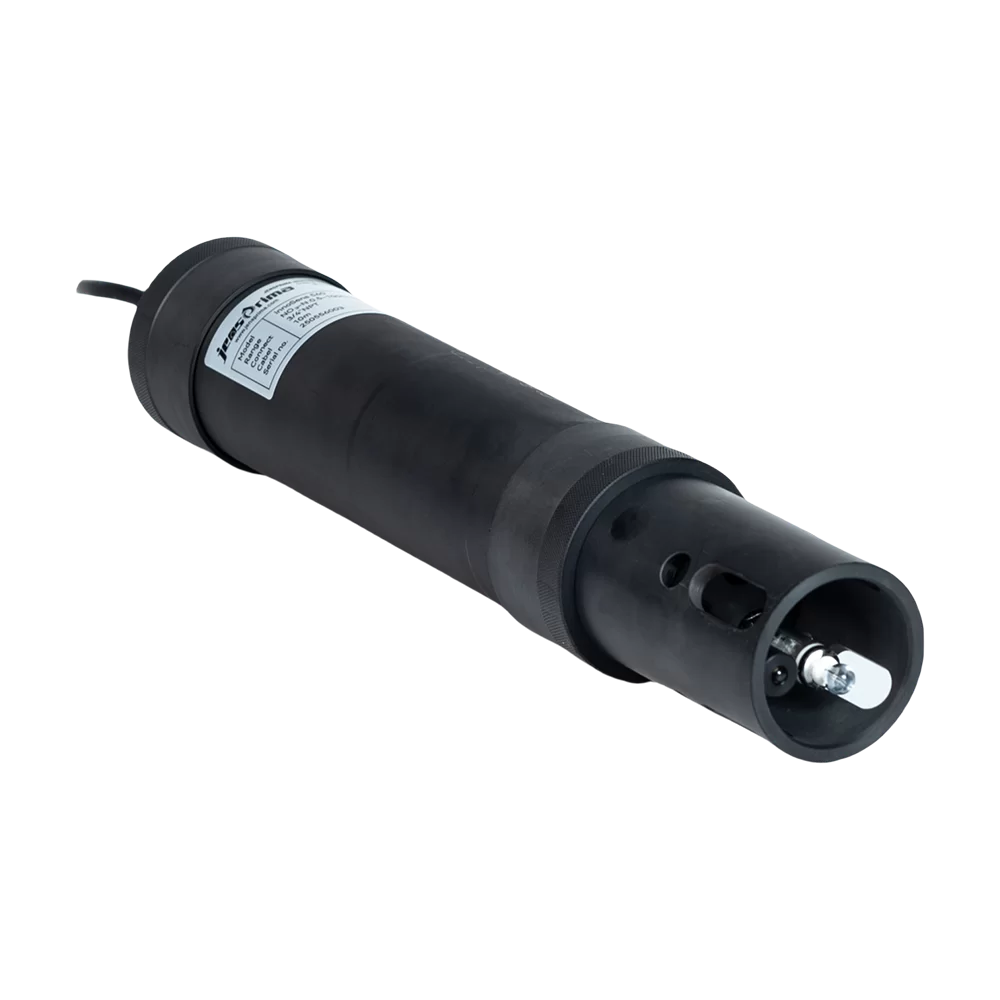
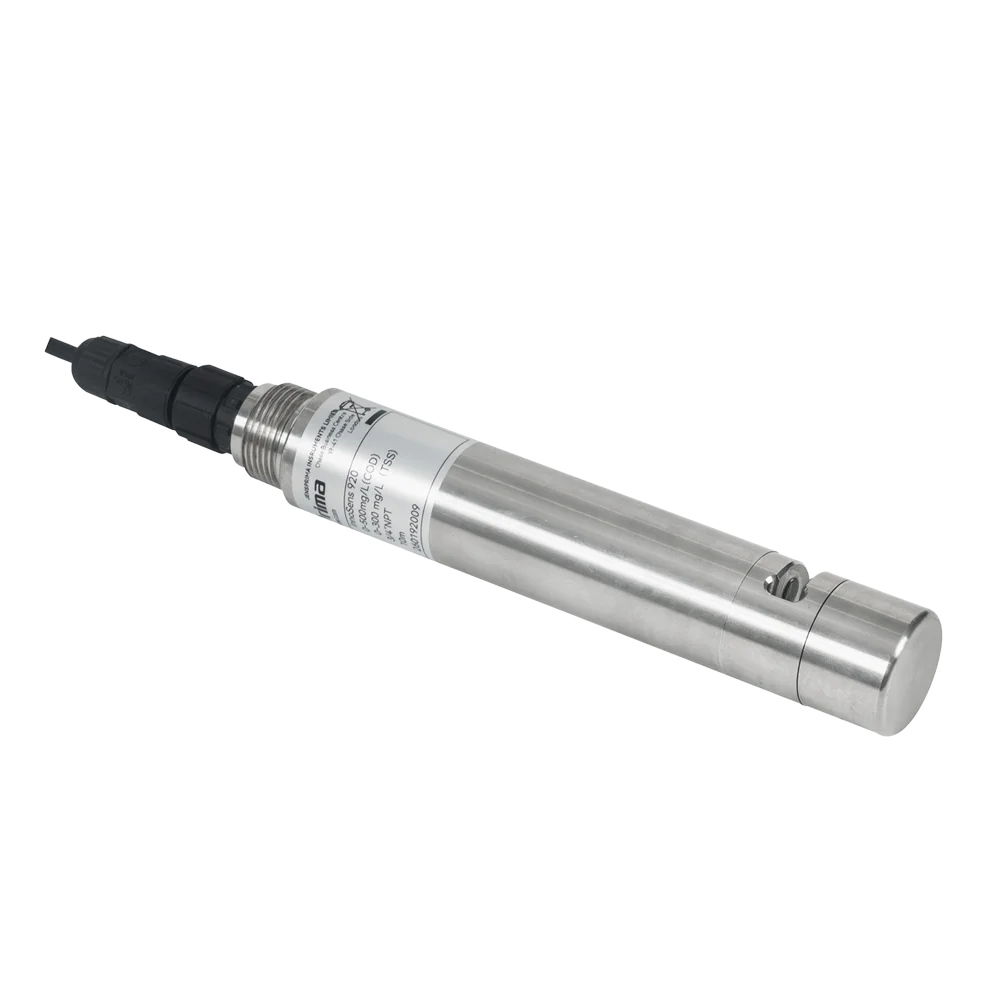
Simply put, a reagentless chlorine analyzer measures chlorine levels using a different principle than traditional methods. Instead of relying on chemical reactions with reagents, they typically utilize optical or electrochemical sensors to directly measure free and total chlorine.
This is crucial. Traditional methods require adding chemicals to a water sample, waiting for a reaction, and then visually comparing the color to a chart. This process is subjective, time-consuming, and prone to errors. Reagentless analysis eliminates these variables, providing a more accurate and consistent reading.
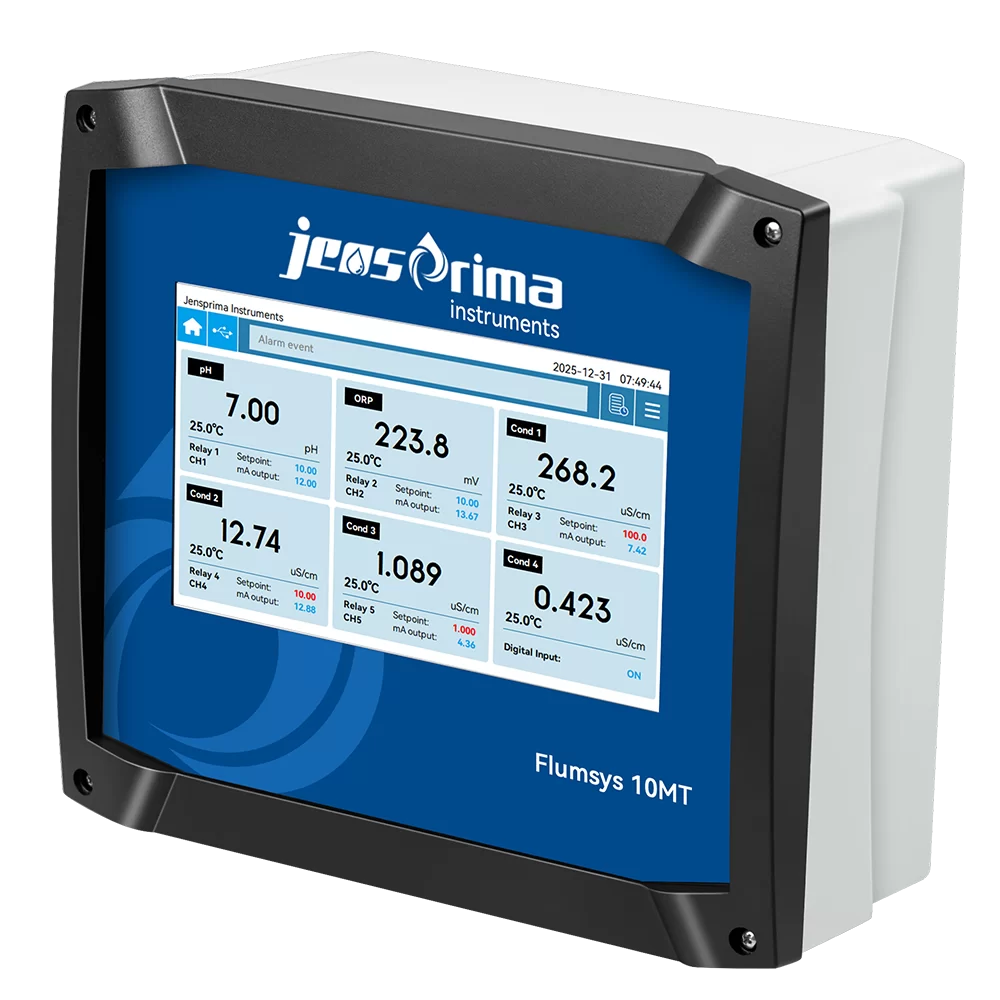
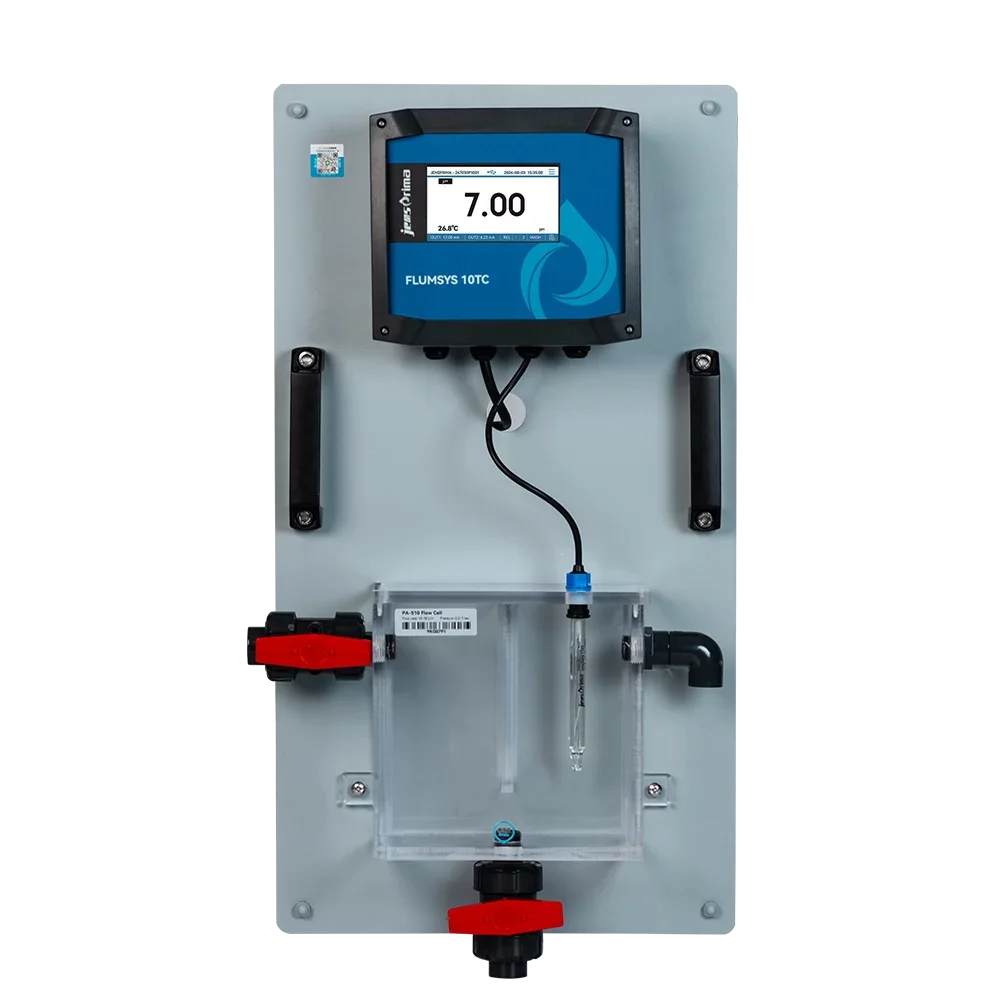
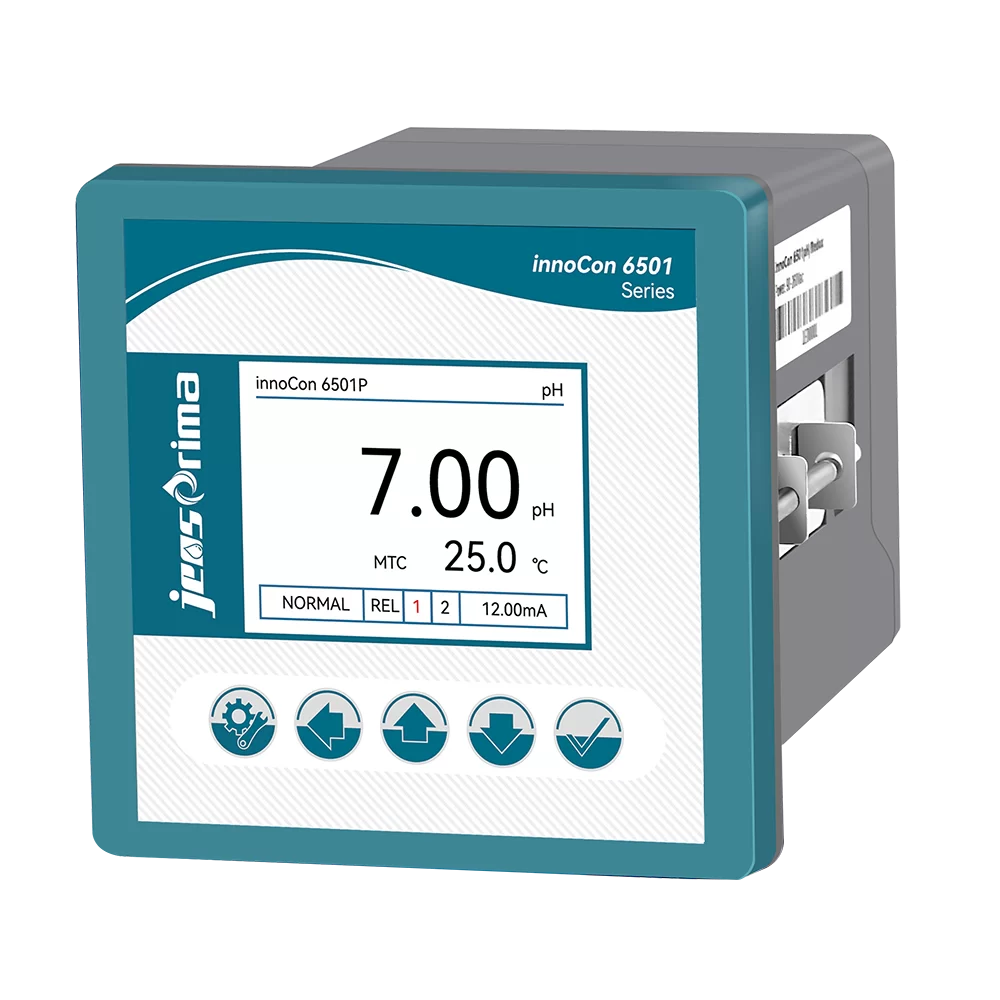
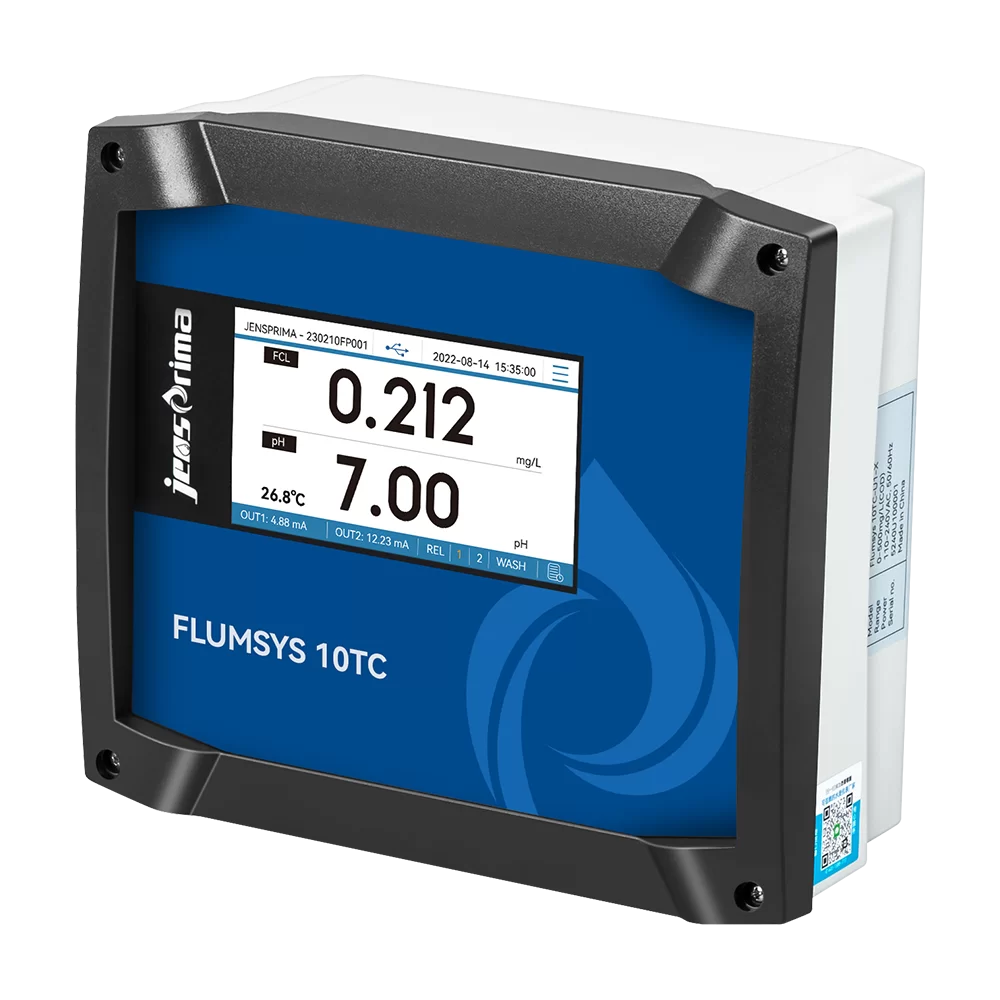
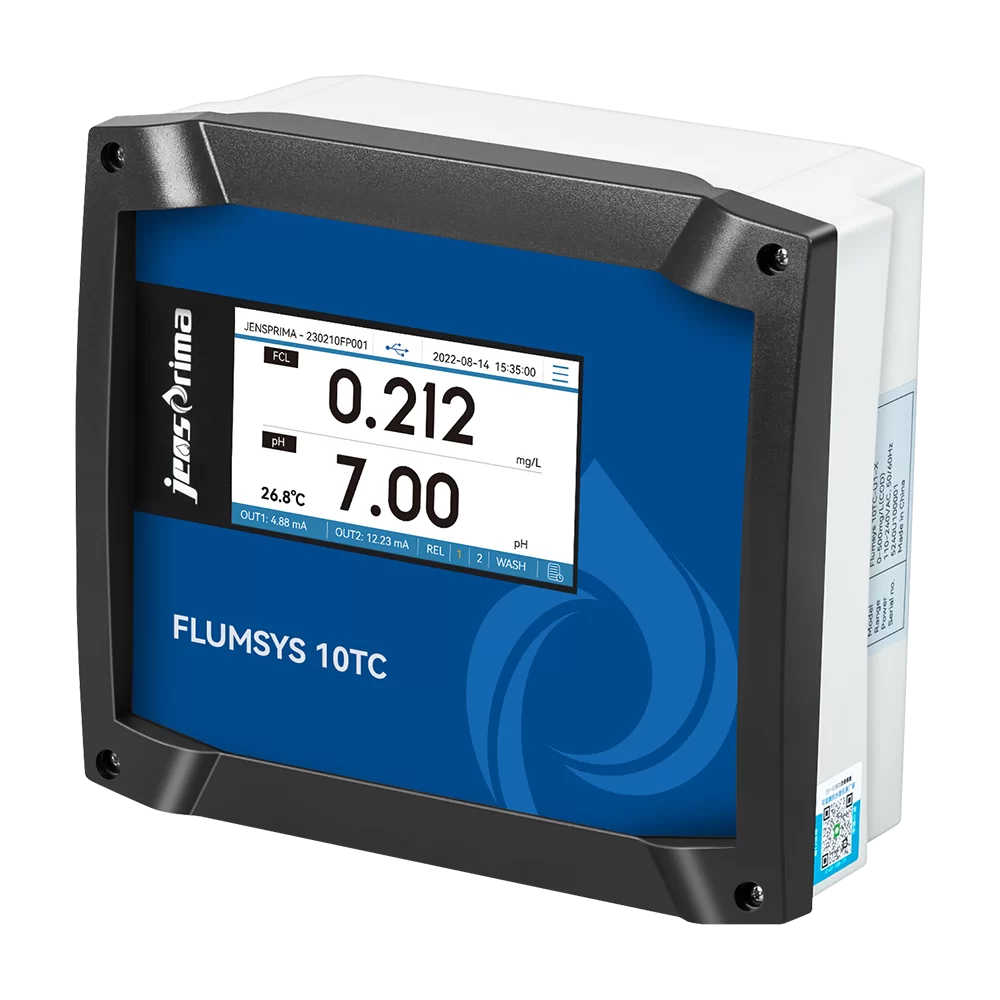
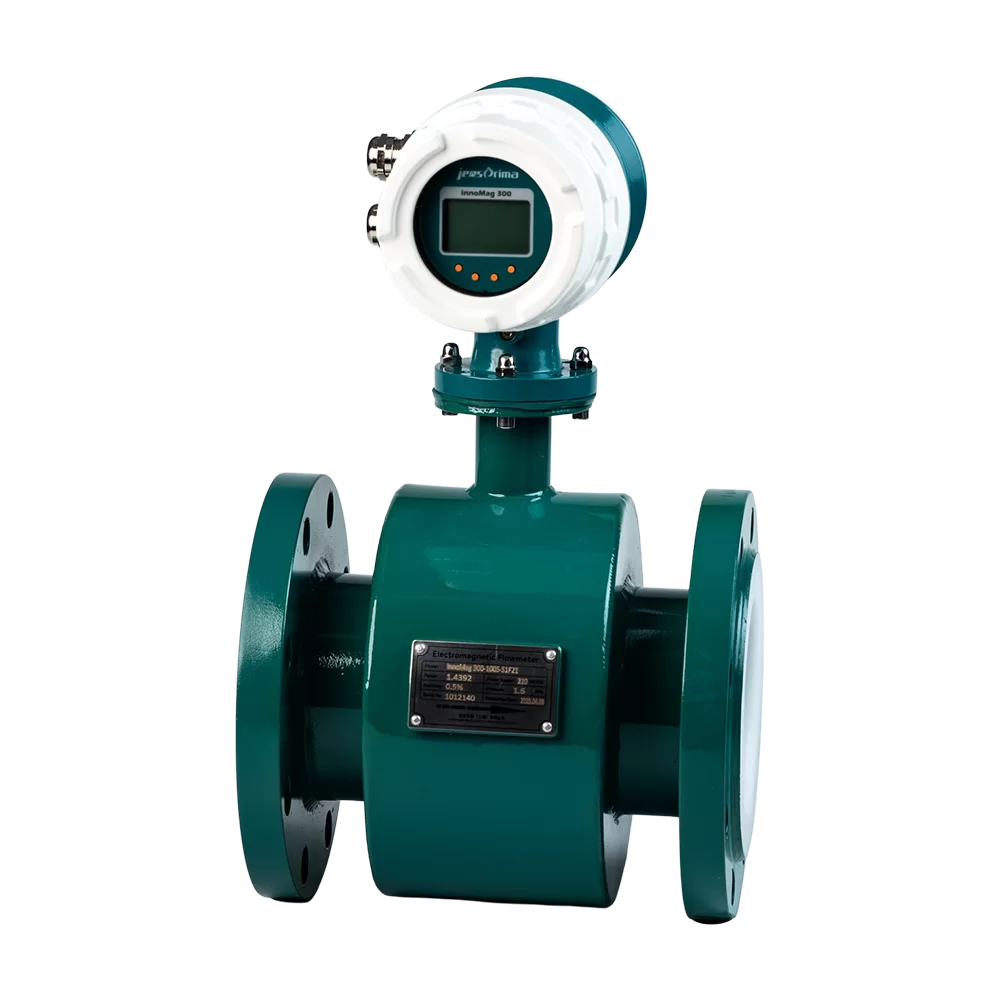
It connects directly to modern control systems, providing continuous monitoring and allowing for automated adjustments. That level of integration is a game-changer for optimizing water treatment processes and minimizing operational costs.
Key Factors Driving Adoption
Durability is huge. On a construction site, equipment takes a beating. These analyzers are built to withstand harsh environments, and I’ve seen them hold up remarkably well in tough conditions. Scalability also matters, and these solutions can be implemented in projects of any size, from small municipal water systems to large-scale industrial facilities.
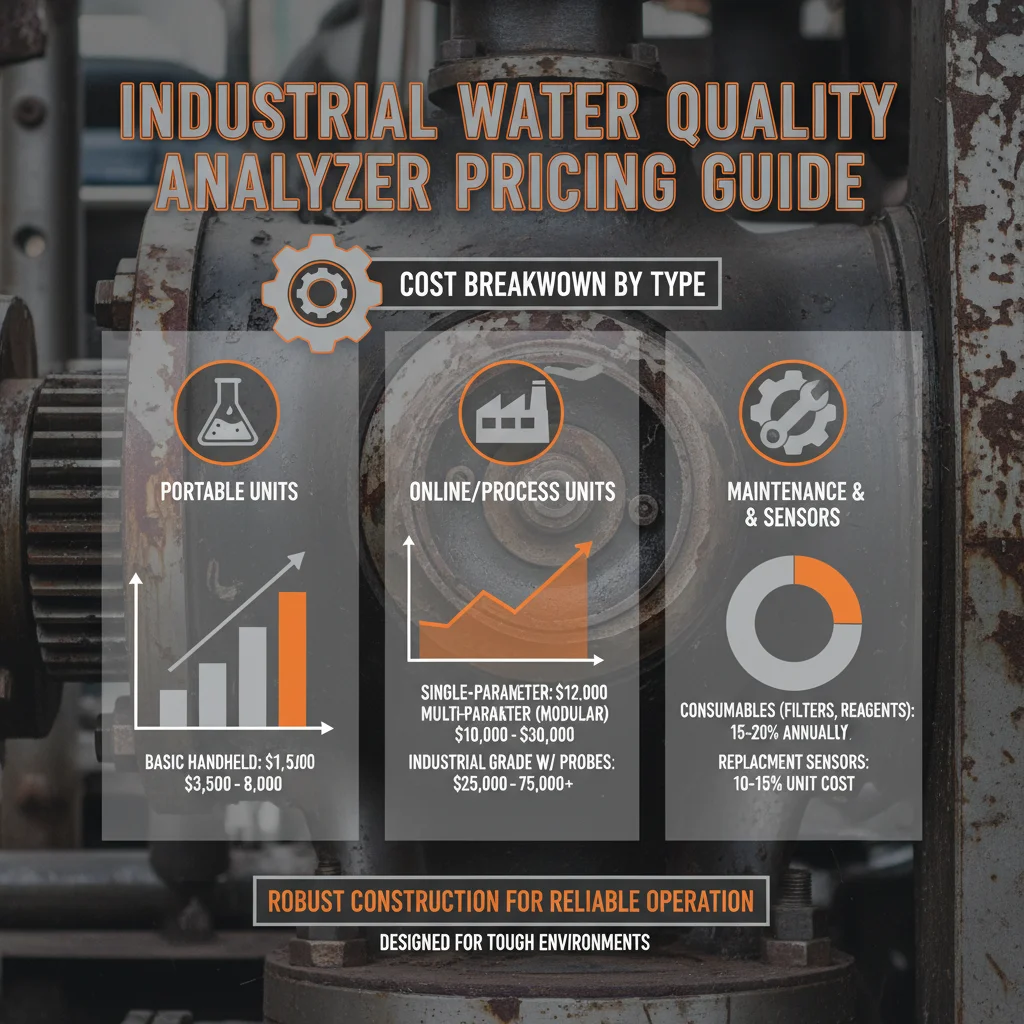
Cost efficiency is always a factor. While the initial investment might be slightly higher, the long-term savings from reduced reagent costs, lower maintenance, and fewer errors quickly offset the difference. And frankly, the time saved by not having to constantly calibrate and troubleshoot traditional methods is invaluable.
Cost Comparison of Chlorine Analysis Methods
Real-World Applications of Reagentless Analyzers
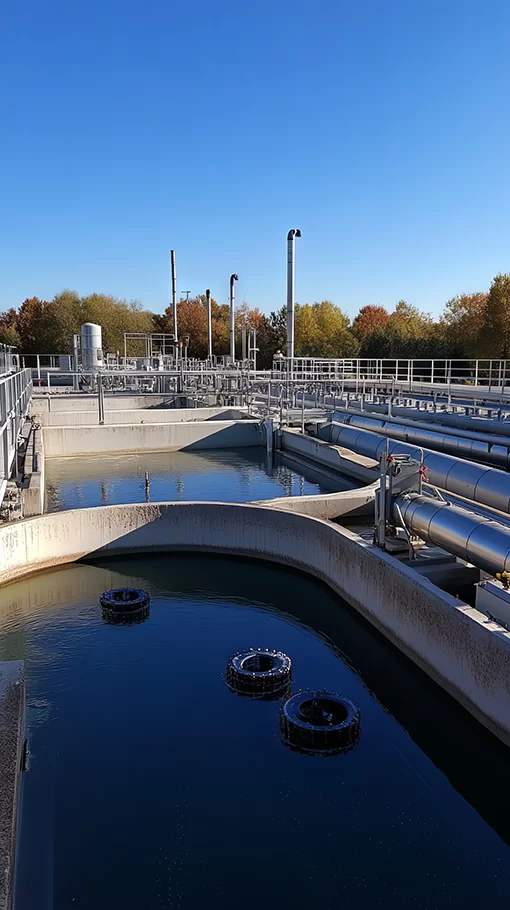
I've seen these analyzers used extensively in municipal water treatment plants, ensuring safe drinking water for entire cities. They're also vital in wastewater treatment, where accurate chlorine monitoring is crucial for meeting environmental regulations.
In post-disaster relief operations, when access to clean water is critical, these portable, reagentless analyzers can be deployed quickly to assess water quality in temporary water sources. And in remote industrial zones, where laboratory access is limited, they provide a reliable on-site solution for monitoring cooling water systems and preventing corrosion.
Long-Term Value and Sustainability
The biggest long-term benefit is sustainability. Reducing chemical waste is good for the environment and lowers disposal costs. Plus, the reduced maintenance requirements translate to lower operational expenses over the lifespan of the analyzer. It’s a win-win.
It builds trust. Operators gain confidence in their readings, and the public can be assured of safe, clean water. That's not something you can put a price on. It also fosters innovation – the data provided by these analyzers allows for more efficient and optimized treatment processes.
Addressing Challenges and Future Trends
One challenge is the initial cost. As I said before, it can be higher than traditional methods, but you need to look at the total cost of ownership. Another is ensuring proper training for operators. These analyzers are relatively user-friendly, but understanding the underlying principles is important for accurate data interpretation.
Looking ahead, I see these analyzers becoming even more integrated with digital technologies. Remote monitoring, data analytics, and automated control systems will become increasingly common. We’re also seeing advancements in sensor technology, leading to even more accurate and reliable measurements.
And with the push for green energy and sustainable practices, the demand for reagentless technologies will only continue to grow. These analyzers are a key component of a more sustainable and responsible approach to water treatment.
Summary of Common Challenges and Solutions for Reagentless Chlorine Analyzers
| Challenge |
Impact on Operation |
Proposed Solution |
Implementation Cost (Estimate) |
| Initial Investment Cost |
Potential budget constraint for smaller facilities |
Life-cycle cost analysis showcasing long-term savings |
$0 - $500 (Analysis & Presentation) |
| Operator Training |
Inaccurate readings due to improper operation |
Comprehensive on-site training programs |
$500 - $2000 (Per Operator) |
| Sensor Drift |
Gradual decrease in accuracy over time |
Regular calibration checks and sensor replacement |
$200 - $800 (Annual) |
| Data Integration |
Difficulty connecting to existing SCADA systems |
Utilize analyzers with open communication protocols (Modbus, etc.) |
$1000 - $5000 (Software/Integration) |
| Fouling of Sensors |
Reduced accuracy due to build-up on the sensor surface |
Implementation of pre-filtration or automatic cleaning systems |
$300 - $1500 (Installation) |
| Power Supply Issues |
Intermittent operation during power outages |
Install Uninterruptible Power Supply (UPS) |
$400 - $1000 (UPS Unit) |
FAQS
With proper maintenance and calibration, a quality reagentless chlorine analyzer should last anywhere from 5 to 10 years, sometimes even longer. The sensor itself is usually the first component to require replacement, typically every 1-3 years depending on usage and water quality. Unlike traditional analyzers, you don’t have to worry about constantly replenishing expensive and hazardous reagents, which simplifies long-term ownership.
Temperature variations can affect the accuracy of any analytical measurement. Good reagentless analyzers incorporate temperature compensation features. These features automatically adjust the readings to account for changes in water temperature, ensuring accurate results even in fluctuating conditions. It’s important to check the analyzer’s specifications to determine its temperature operating range.
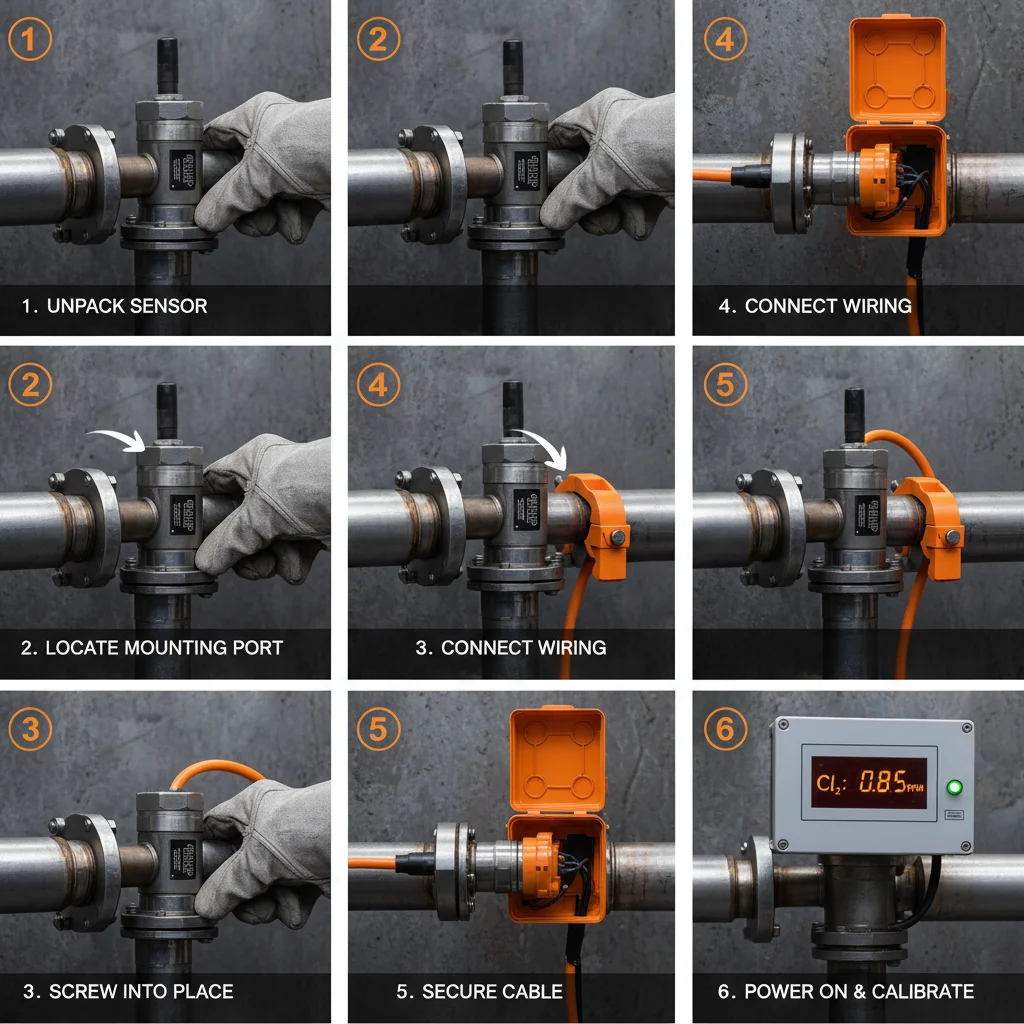
Maintenance is significantly lower compared to traditional methods. It primarily involves periodic cleaning of the sensor to prevent fouling, regular calibration checks against a known standard, and occasional sensor replacement. Most manufacturers provide clear guidelines and automated diagnostics to simplify maintenance procedures. Generally, it's less than an hour a month.
Many advanced reagentless analyzers are capable of measuring both free and total chlorine simultaneously. This is crucial for optimizing disinfection processes and ensuring that the correct chlorine residual is maintained. The analyzer utilizes different measurement techniques to distinguish between free and combined chlorine, providing comprehensive data for process control.
High turbidity or color can interfere with some analytical methods. While reagentless analyzers are generally less susceptible to interference than traditional methods, extremely turbid or colored samples may require pre-treatment, such as filtration, to ensure accurate readings. It's always best to consult the manufacturer's guidelines for specific recommendations.
Over five years, the total cost of ownership for a reagentless analyzer is often lower than traditional methods, despite the higher initial investment. The savings come from eliminating reagent costs, reducing labor associated with calibration and testing, and minimizing downtime. Consider the cost of reagents, labor, and potential errors with traditional methods – the long-term savings with reagentless technology become clear.
Conclusion
In the end, a reagentless chlorine analyzer isn’t just about technology; it’s about a smarter, safer, and more sustainable way to manage water quality. From reducing chemical waste to improving accuracy and streamlining operations, the benefits are clear. I've seen the difference firsthand on countless sites, and I’m convinced this is the future of chlorine monitoring.
If you're serious about optimizing your water treatment processes and ensuring safe, reliable water quality, it's time to explore the possibilities of reagentless analysis. It’s an investment that will pay off in the long run, not just financially, but also in terms of environmental responsibility and public health. Visit our website at www.jensprima.com to learn more and find the right solution for your needs.


 Download
 Video Center
 Technical Services
 FAQS
FAQS Service Network
 Privacy Policy
 Contact Us