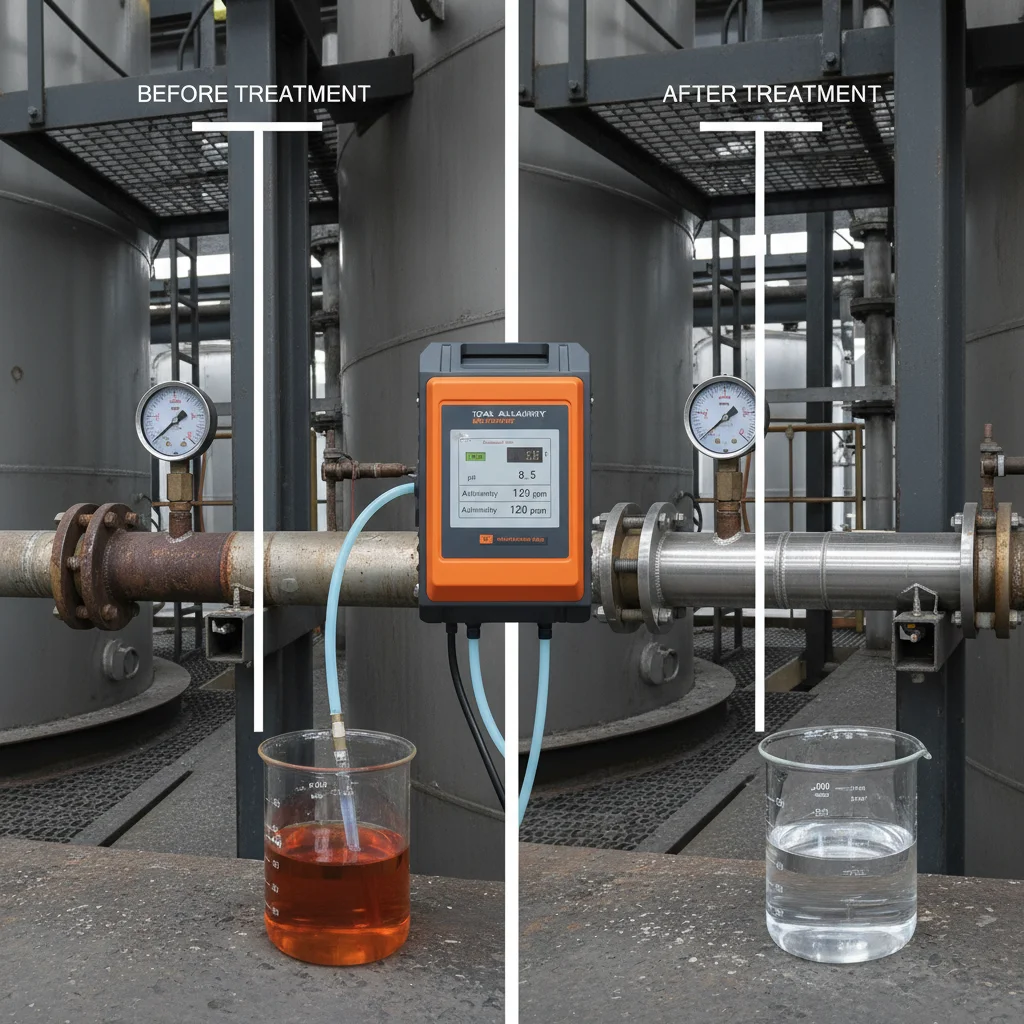
Look, I’ve spent years in the trenches – literally, on construction sites, elbows deep in concrete dust. We’re talking about water quality, specifically chlorine levels, and that's where a reliable total chlorine analyzer is non-negotiable. It's not just about hitting some regulatory standard; it's about protecting the people who are going to use the water – whether it's for drinking, cooling, or process work. A failure here isn’t a spreadsheet error; it’s a potential health crisis or a massively expensive shutdown. It’s about getting it right, the first time, every time.
I've seen too many projects stalled because of unreliable testing. Guys are chasing numbers, re-testing, and delaying critical paths. That costs money, burns relationships with clients, and frankly, makes everyone miserable. That's why investing in a robust total chlorine analyzer isn’t just smart, it’s essential. It's about minimizing risk and maximizing efficiency on the jobsite, and allowing me to focus on what I do best - building things.
The bottom line is this: we’re building infrastructure, creating spaces for people to live and work. Precise water management is at the heart of that. A total chlorine analyzer isn't a luxury item; it’s a core piece of equipment, like a level or a good pair of boots. It provides the confidence we need to deliver on our promises and keep everyone safe.
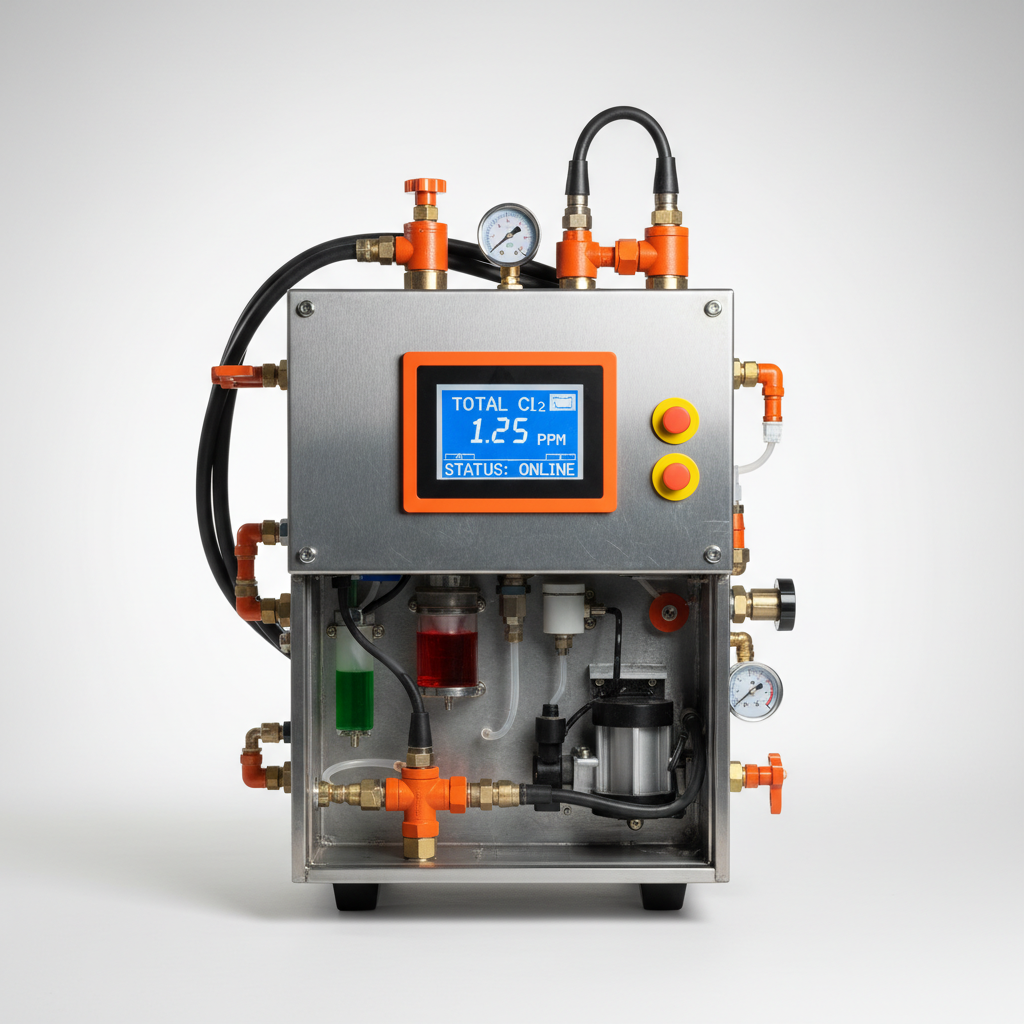
The Importance of Total Chlorine Analysis in Industrial Applications
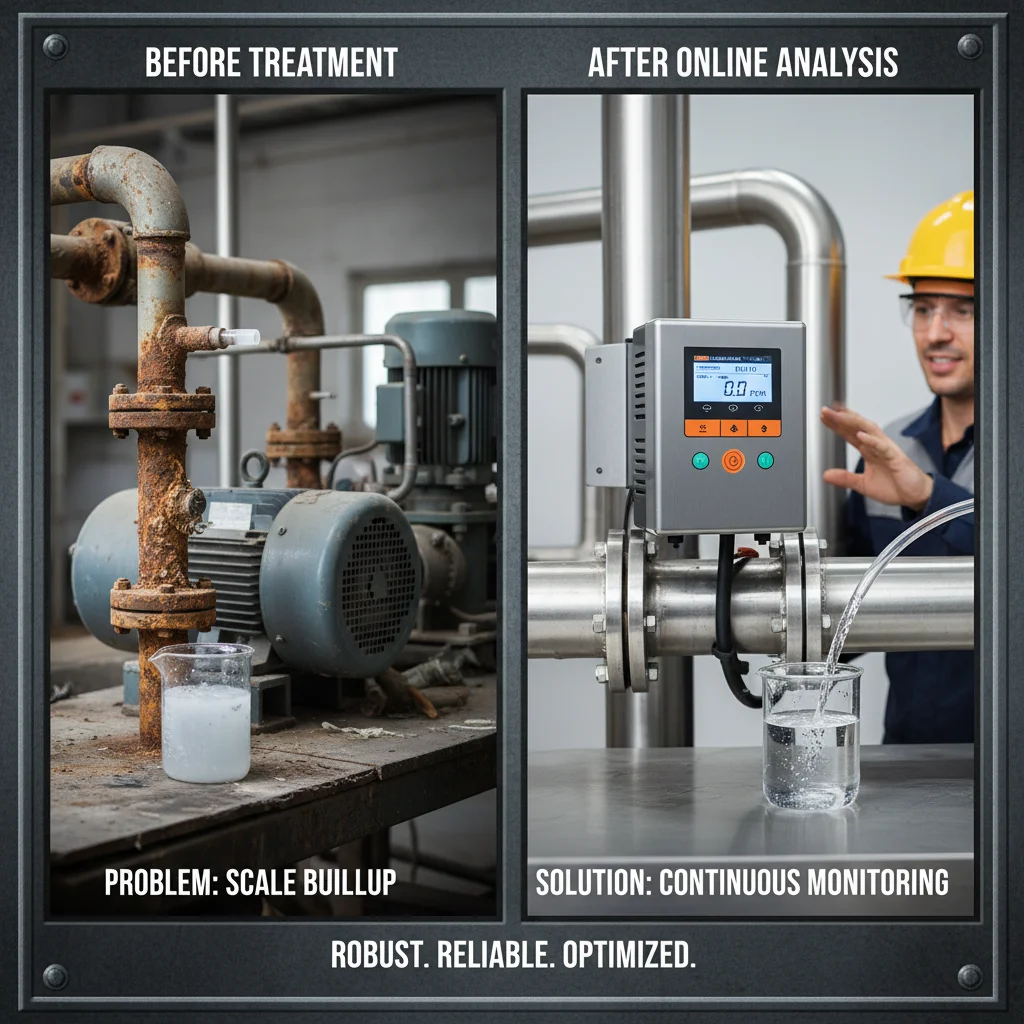
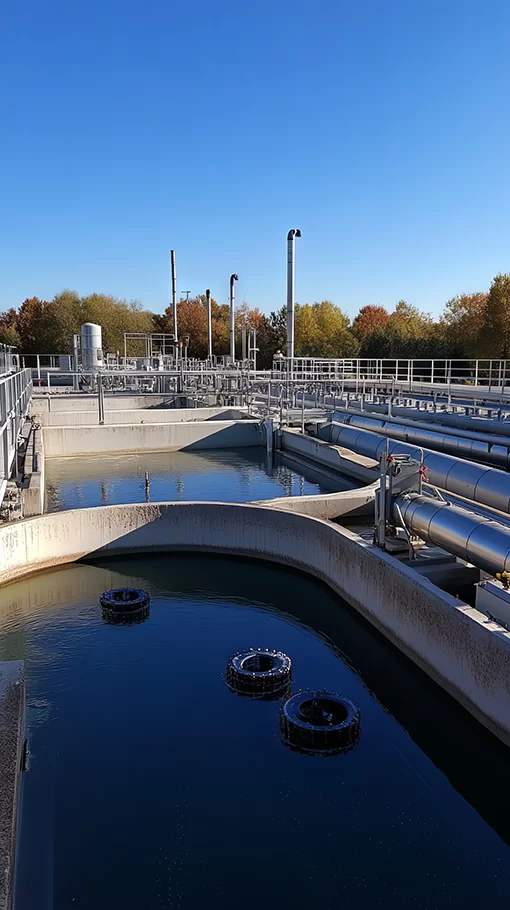
From cooling towers to wastewater treatment plants, chlorine management is absolutely critical. We’re talking about preventing corrosion, biofouling, and ensuring compliance with stringent environmental regulations. I’ve seen systems shut down because of scaling caused by improper chlorine control – a very expensive and preventable problem. A reliable total chlorine analyzer provides the data needed to optimize treatment processes and avoid costly downtime.
What a lot of folks don't realize is that “total chlorine” isn’t just about free chlorine. It includes combined chlorine, which is far less effective as a disinfectant and can actually create harmful byproducts. That’s where a precise total chlorine analyzer comes in, giving you a complete picture of what’s happening in the system, not just a partial one.
Understanding Total Chlorine Analyzers: A Practical Overview
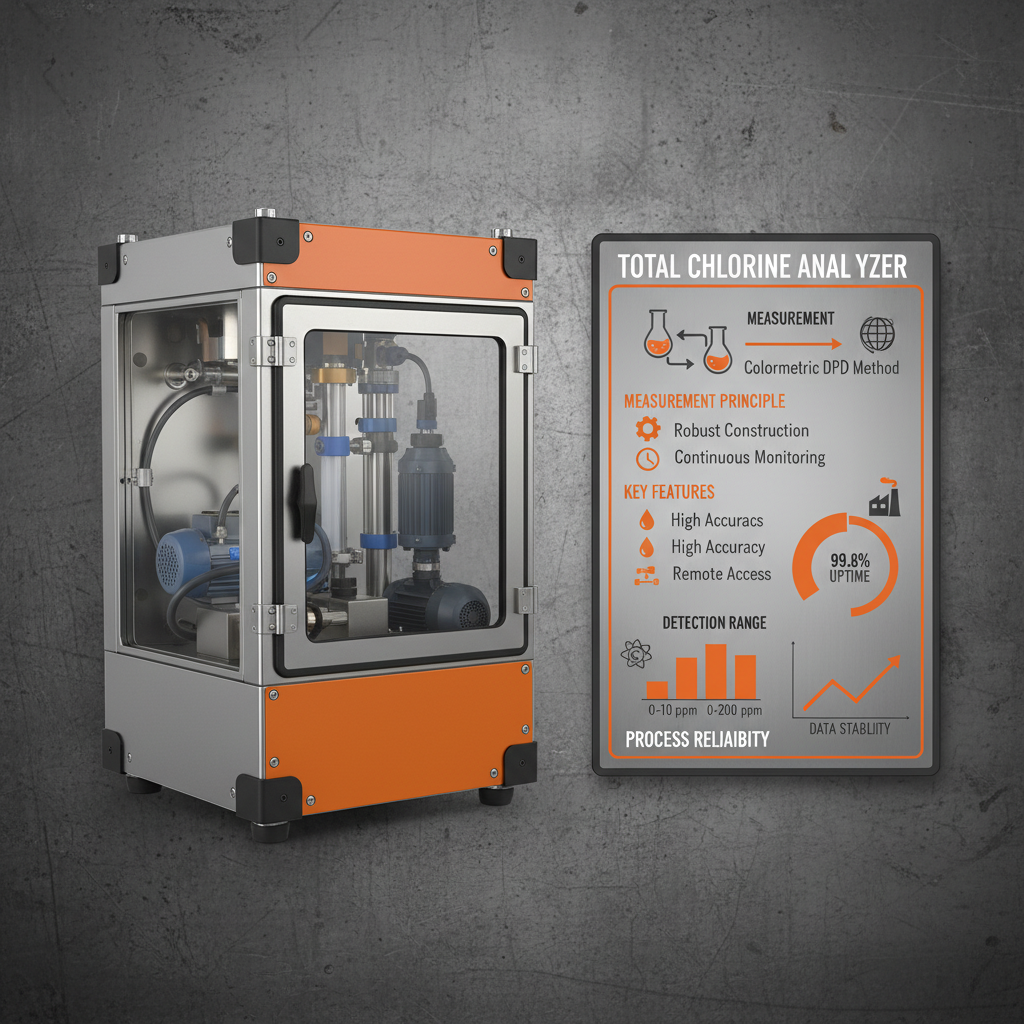
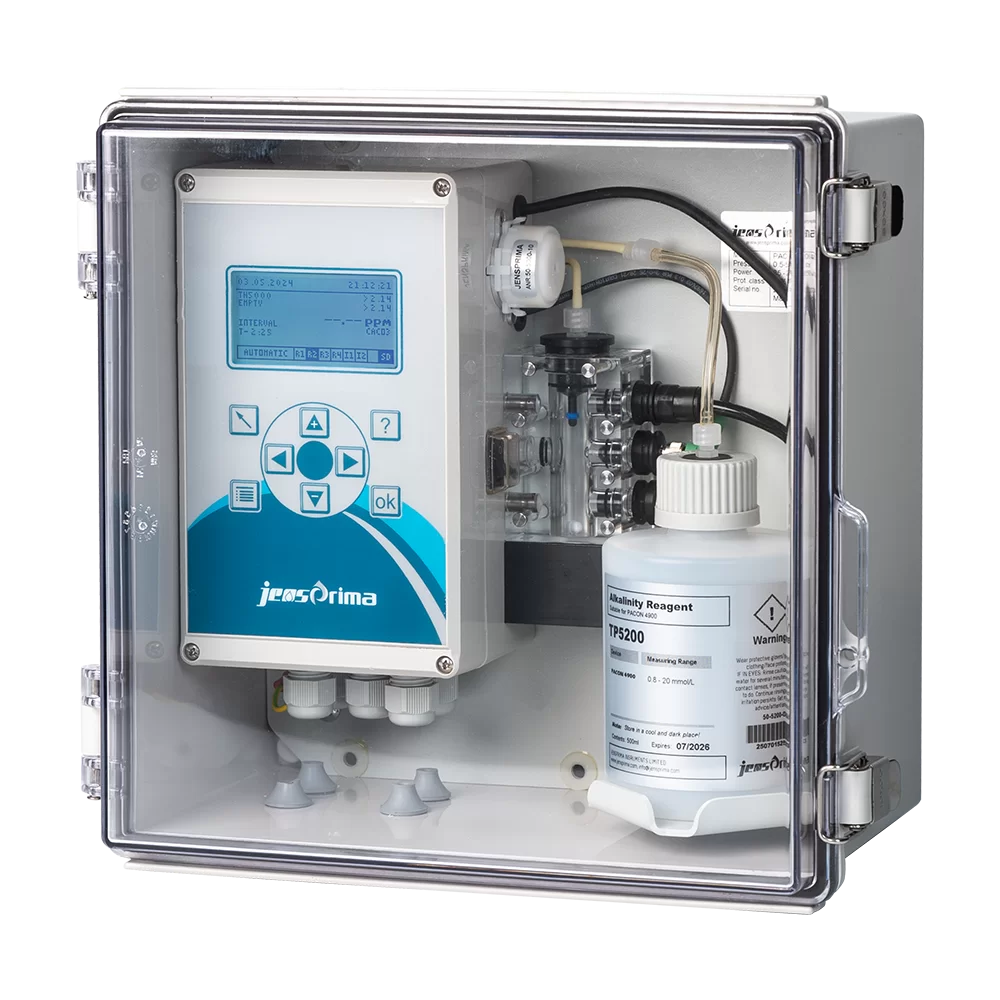
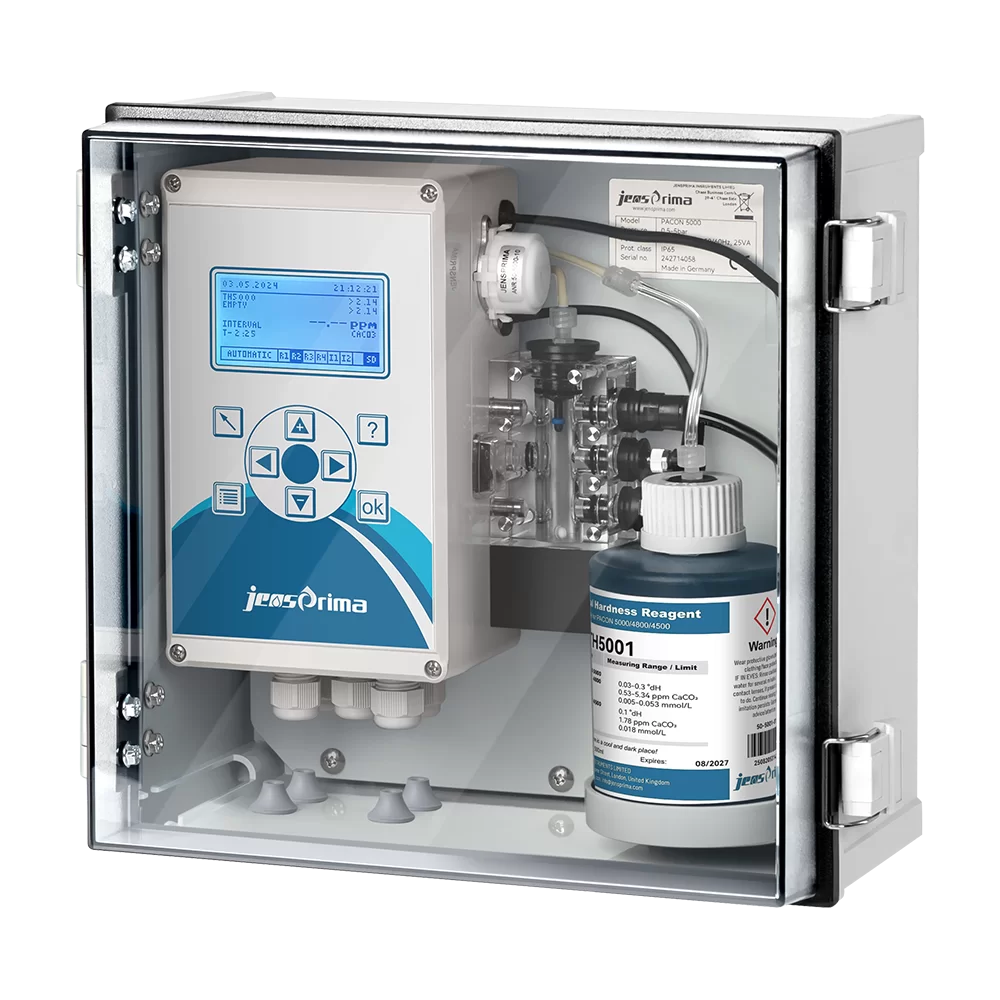
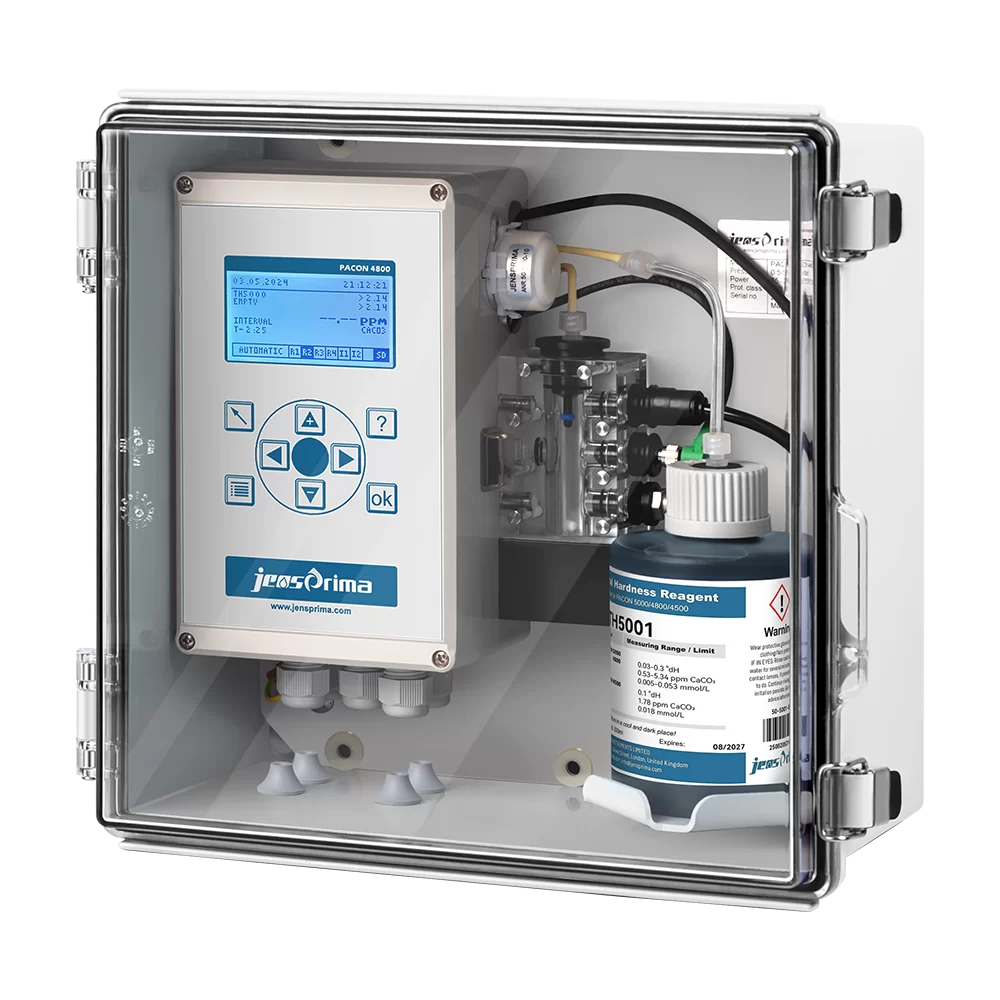
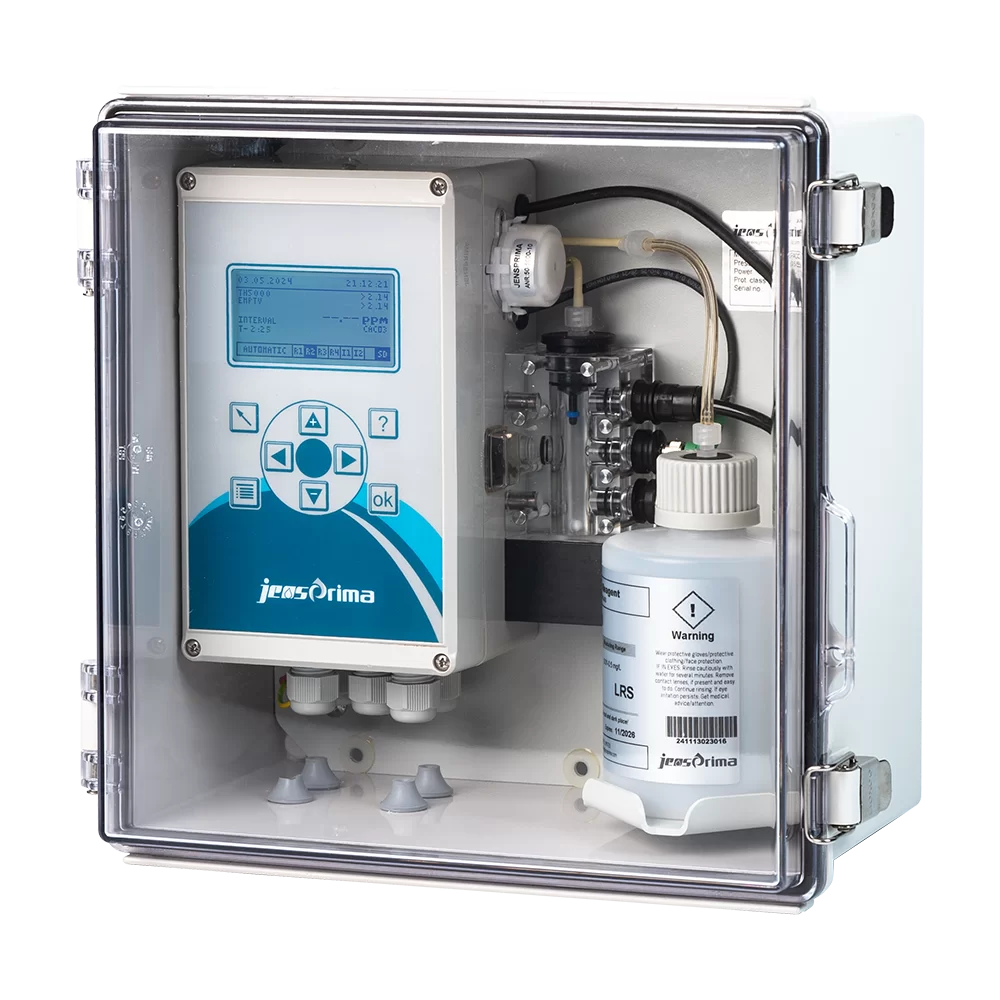
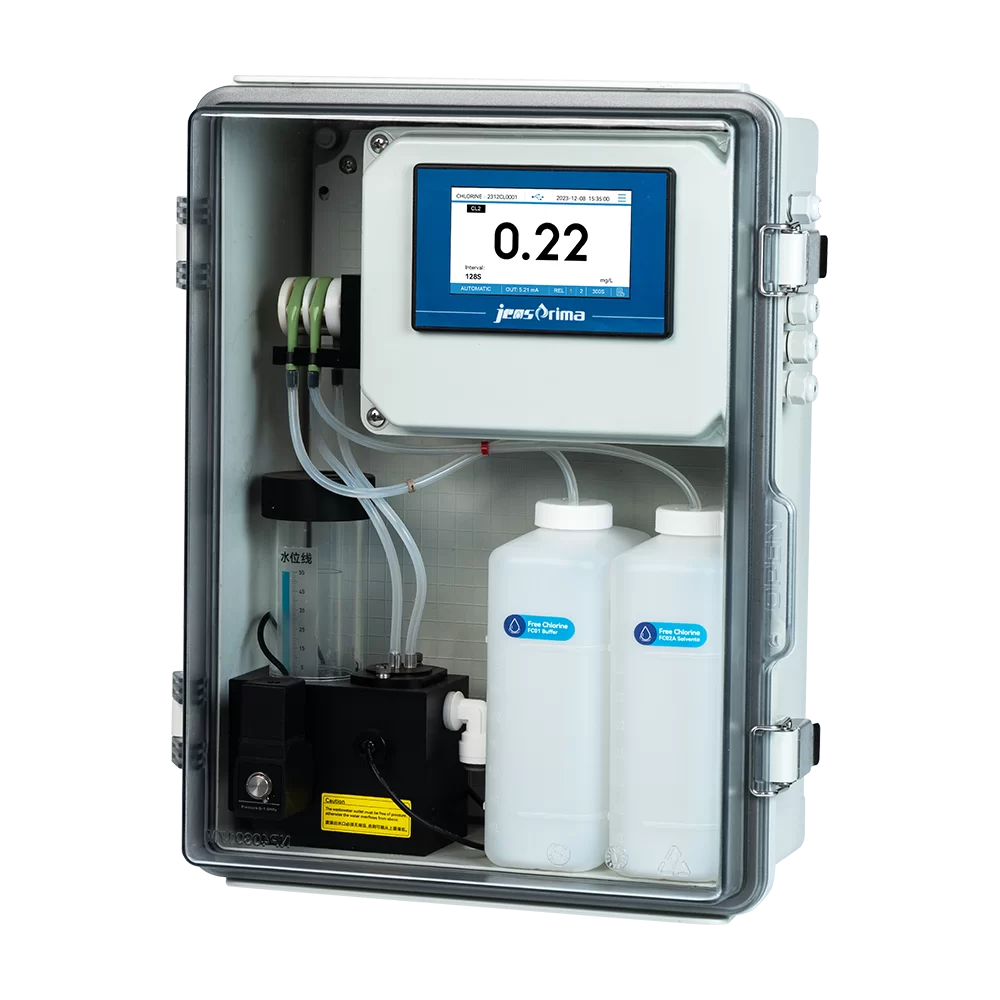
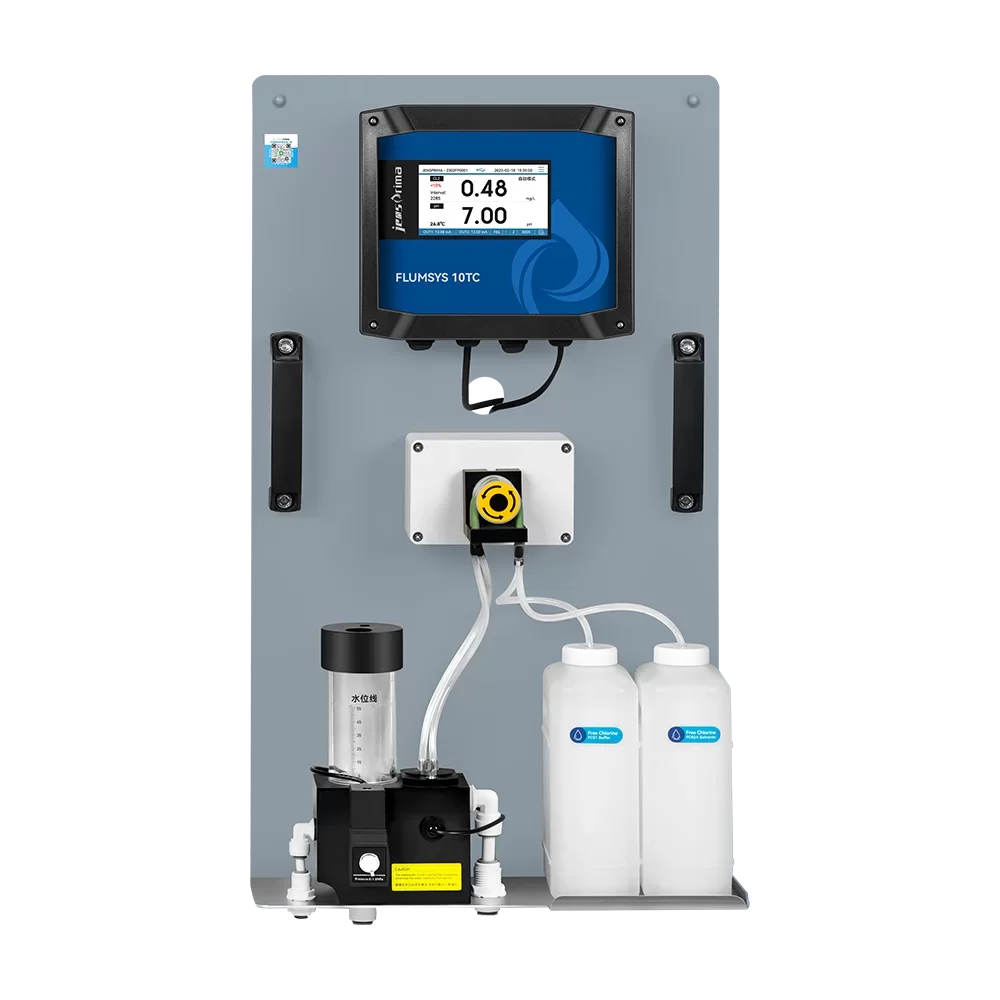
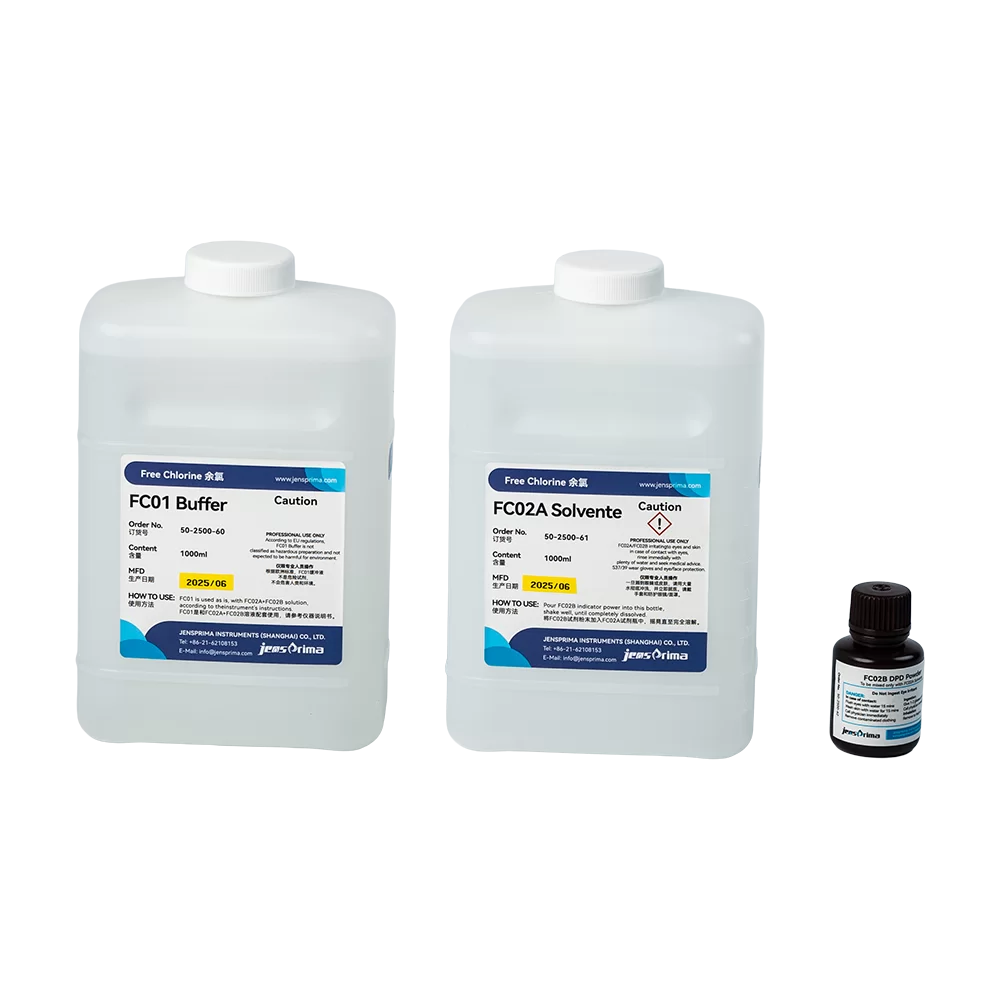
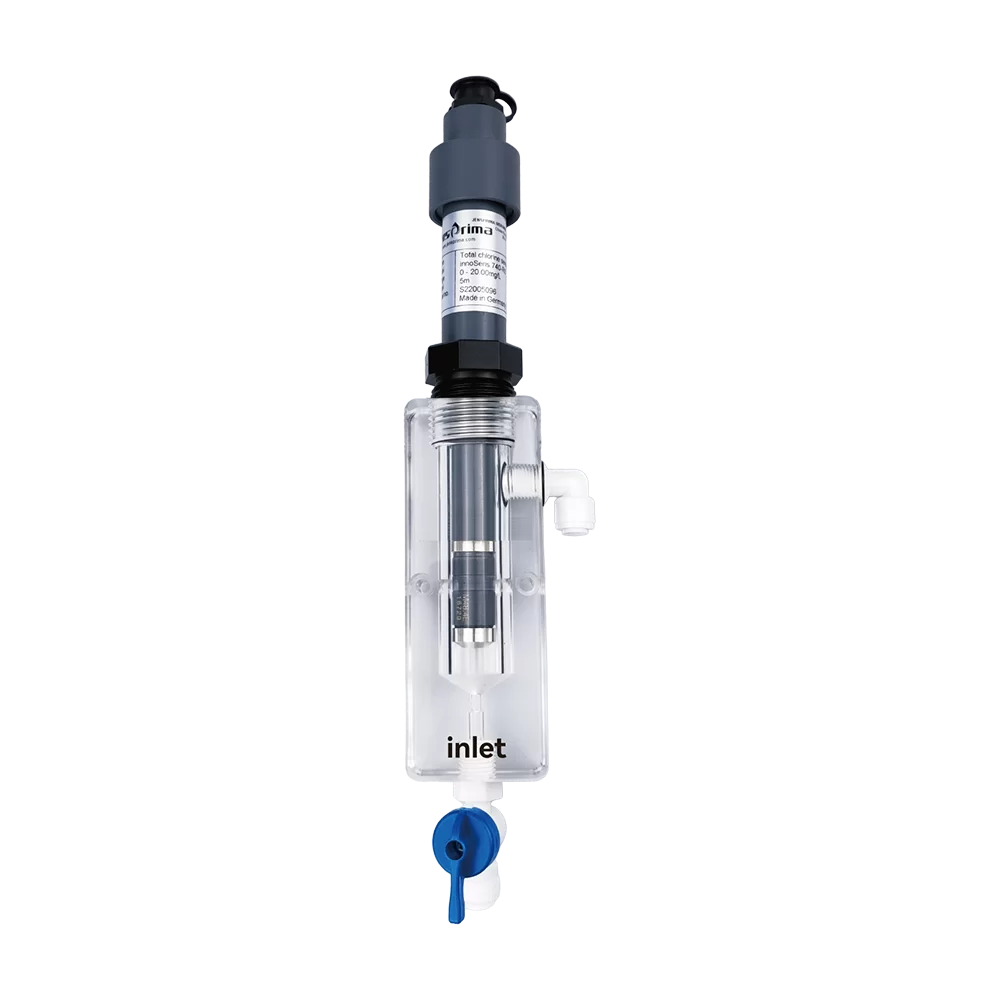
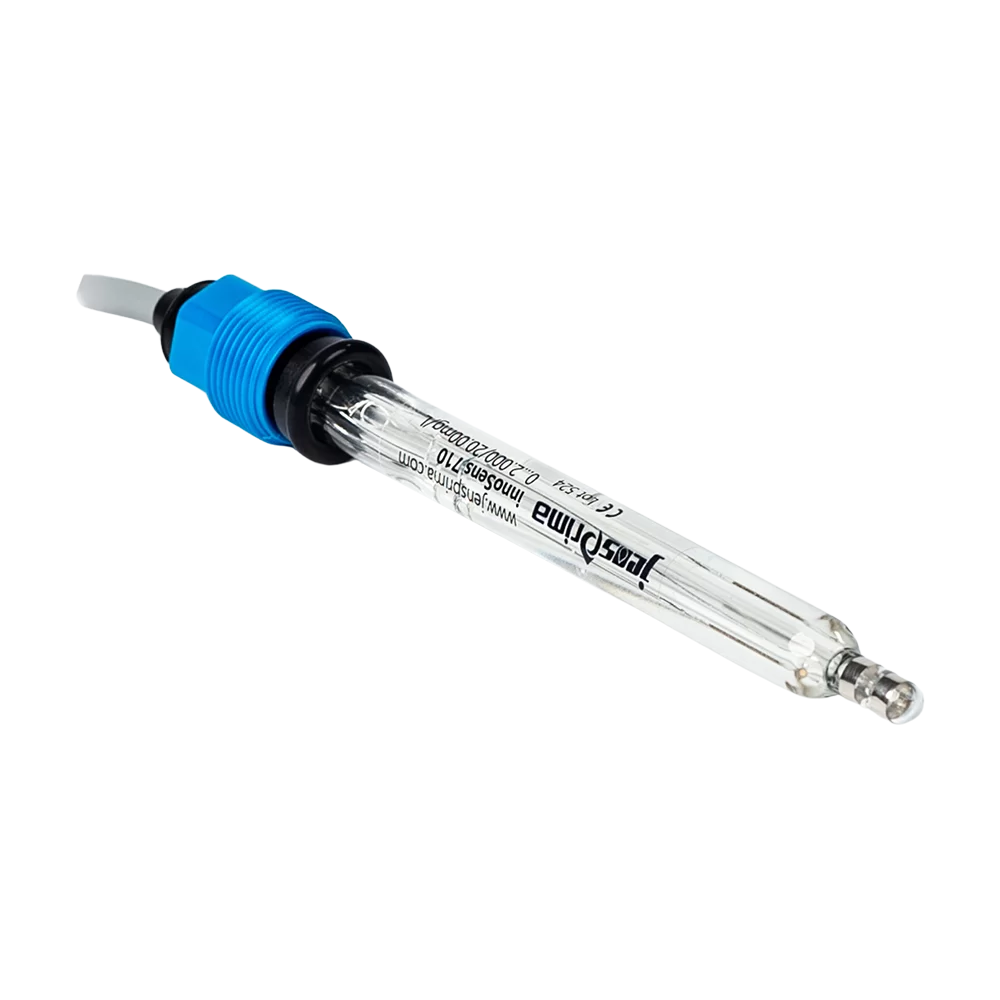
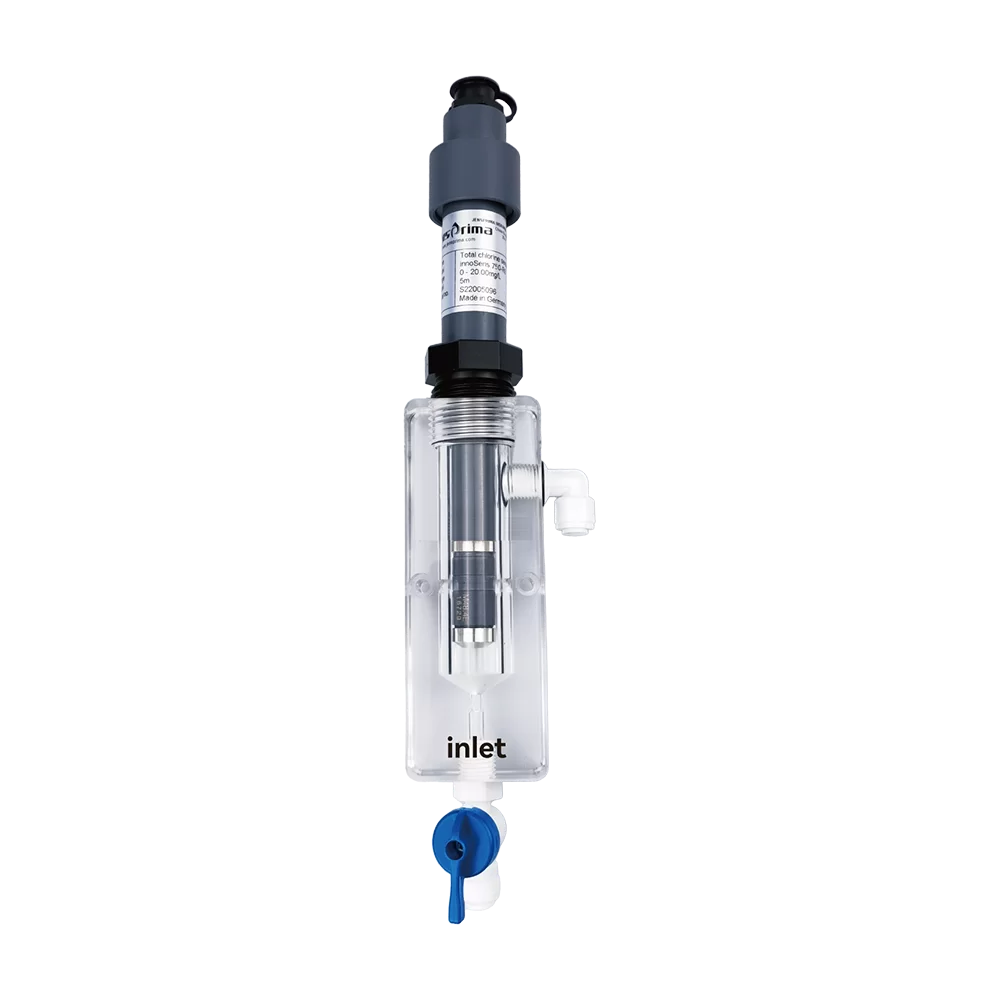
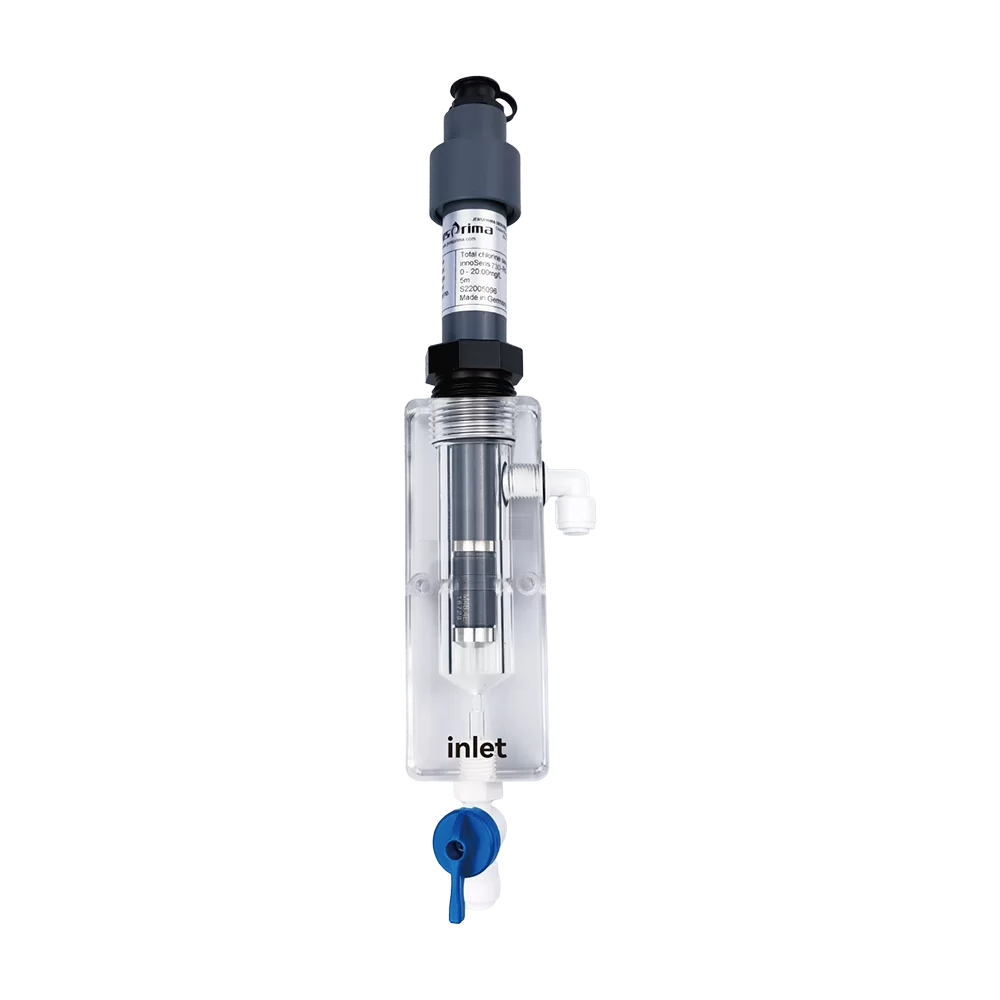
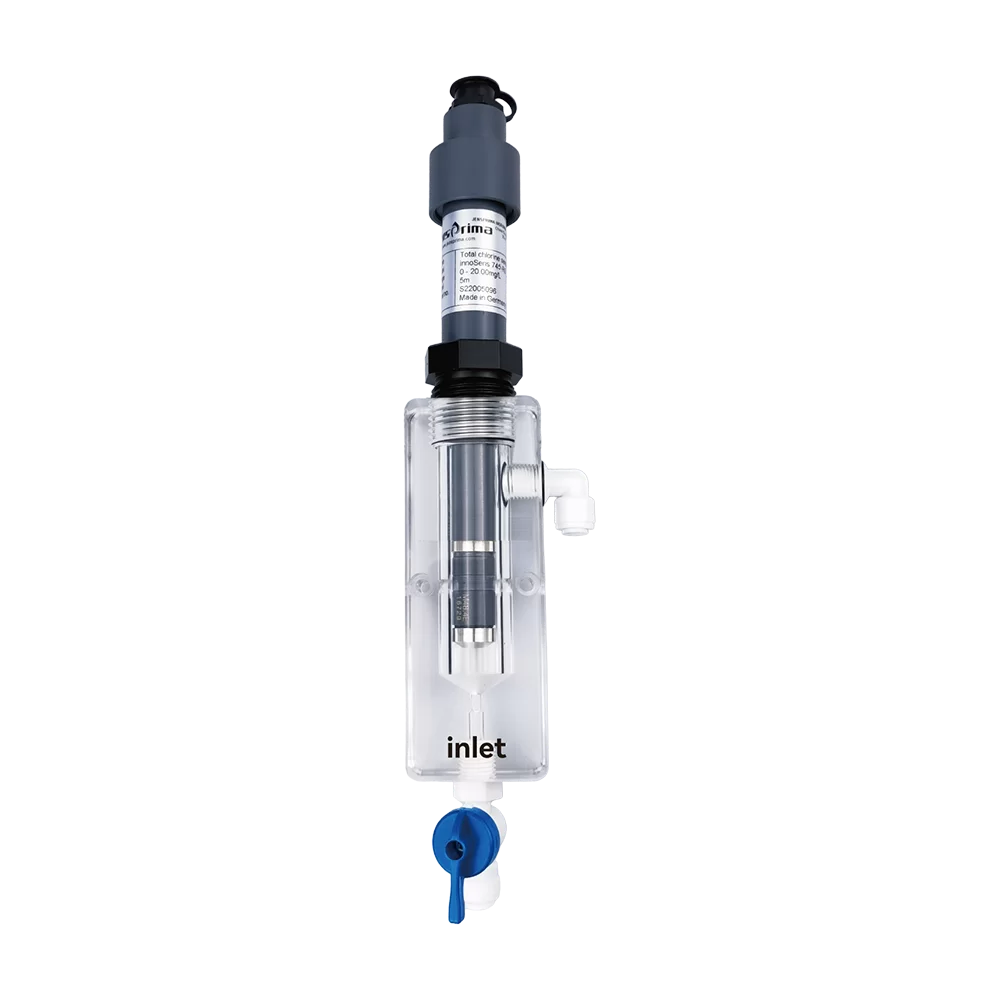
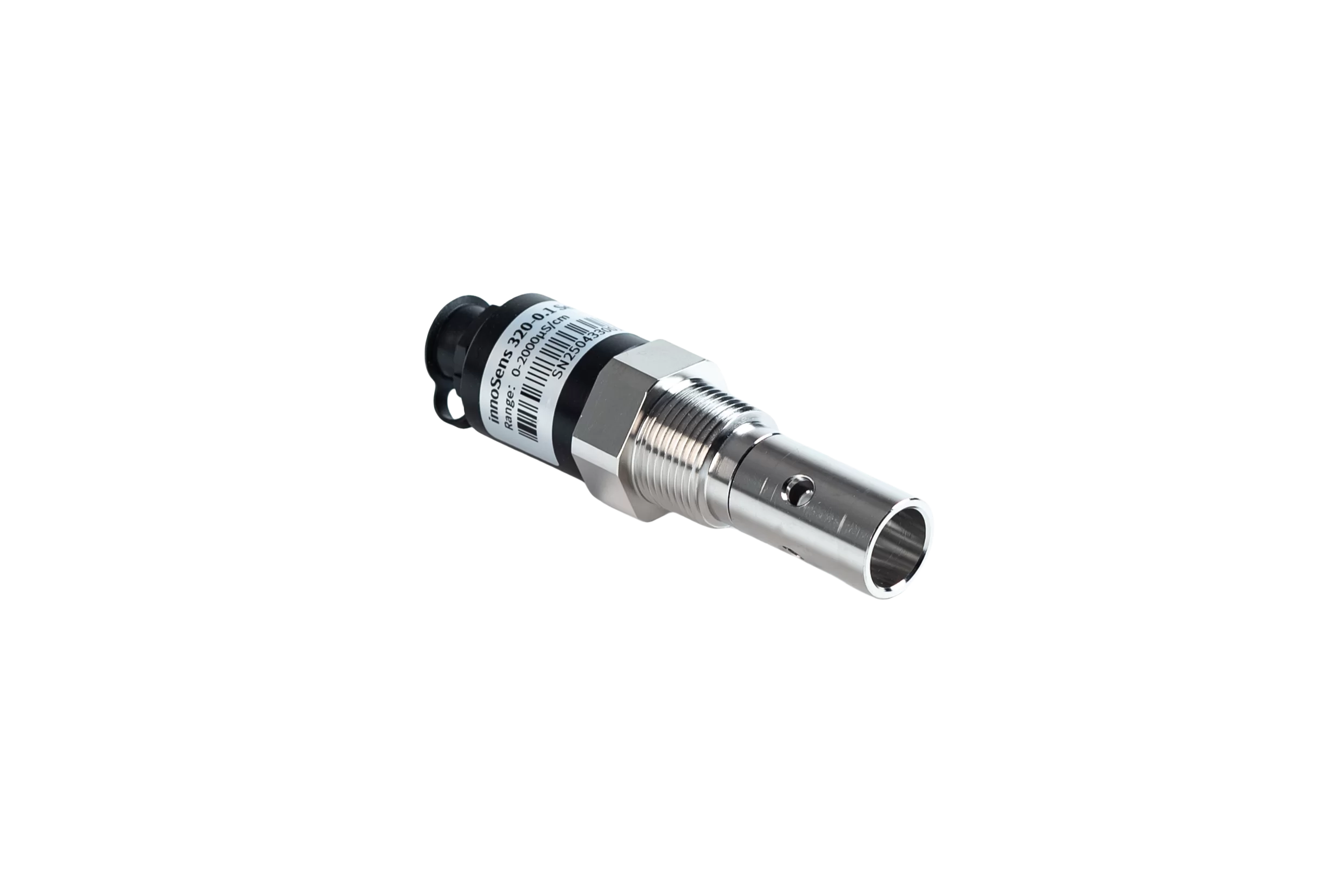
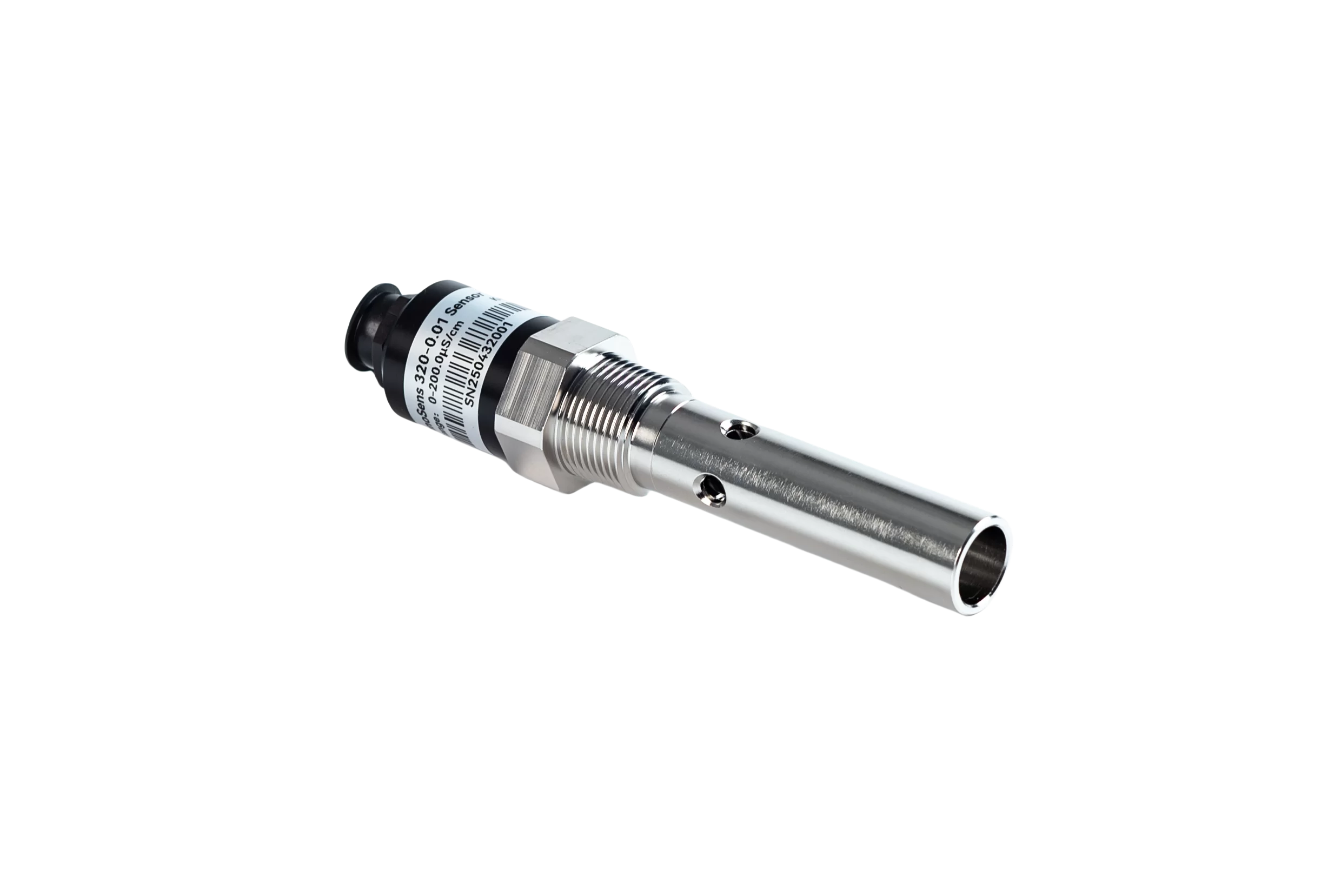
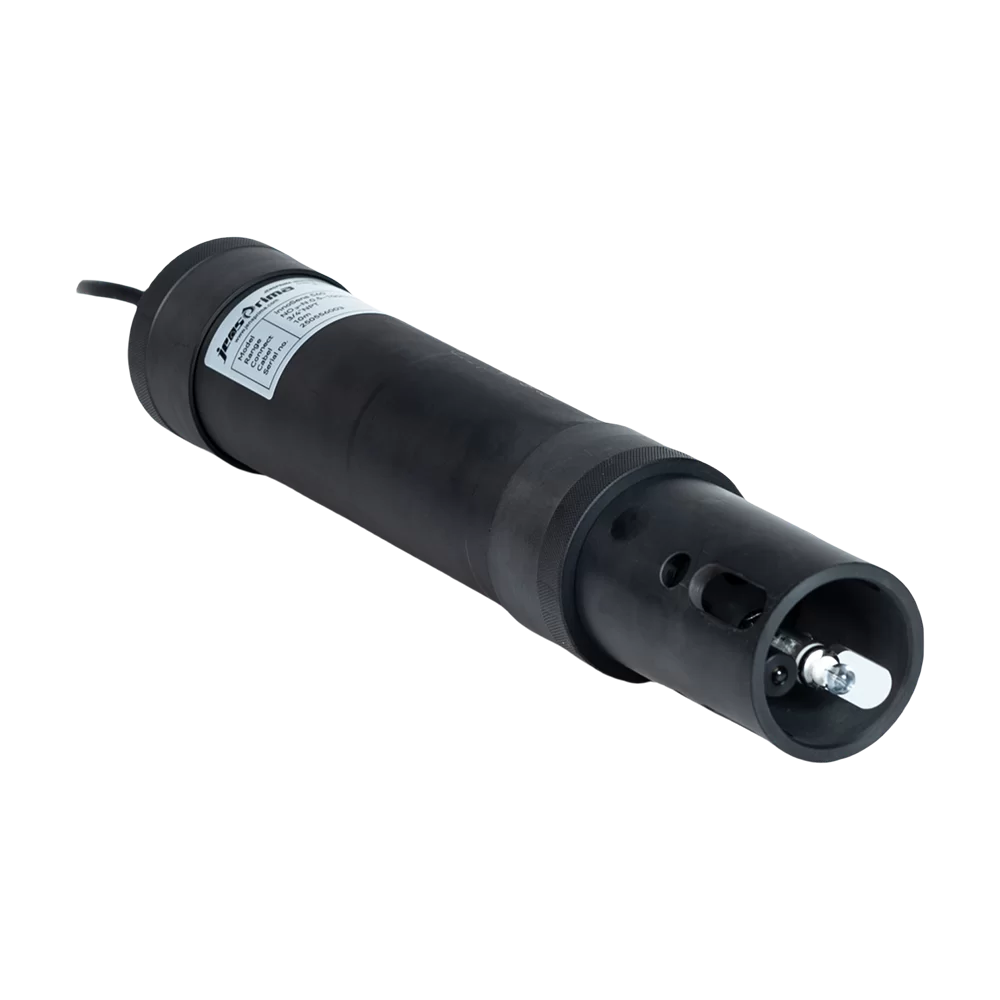
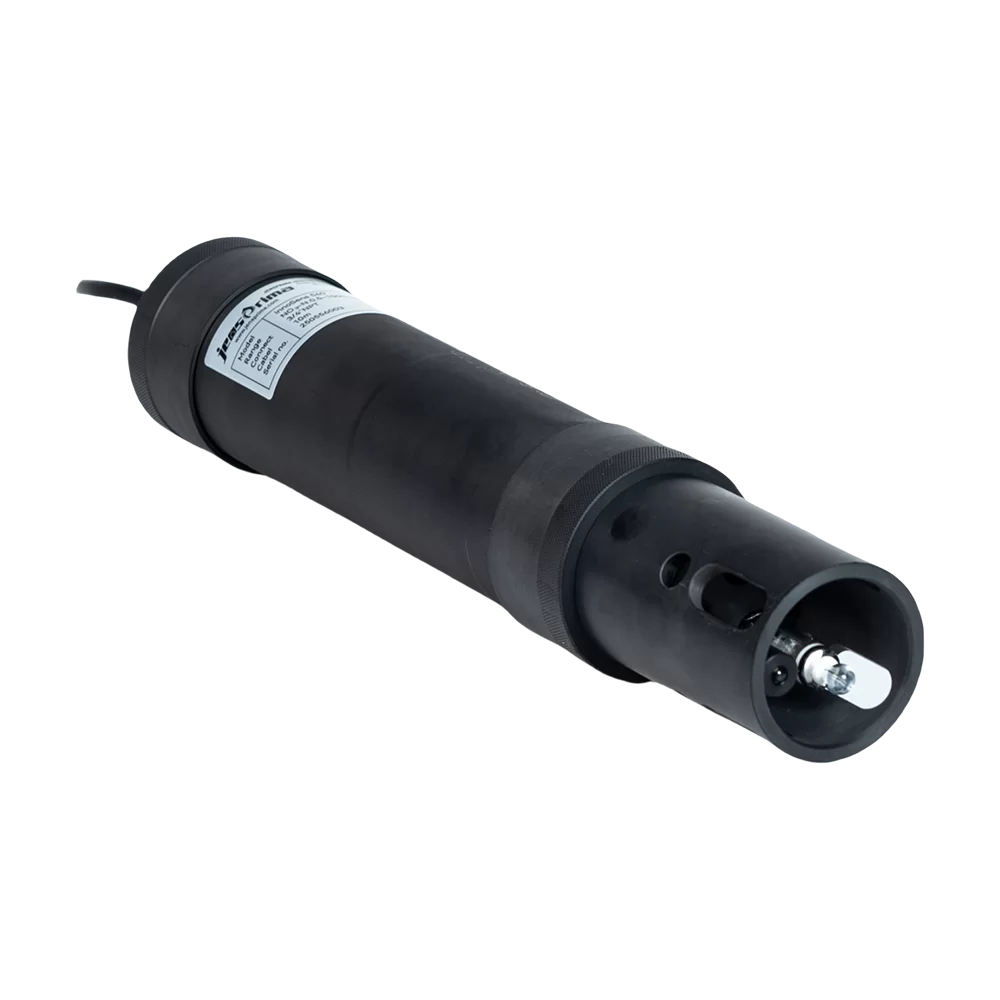
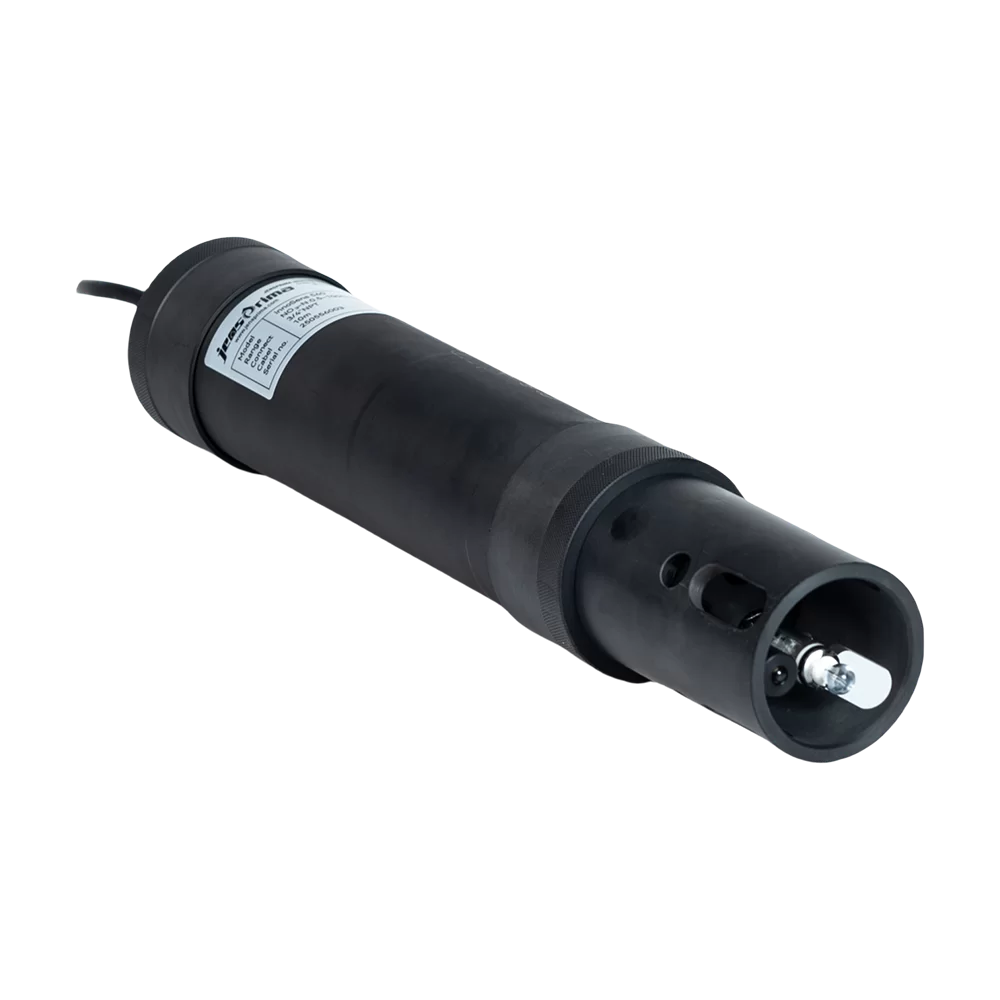
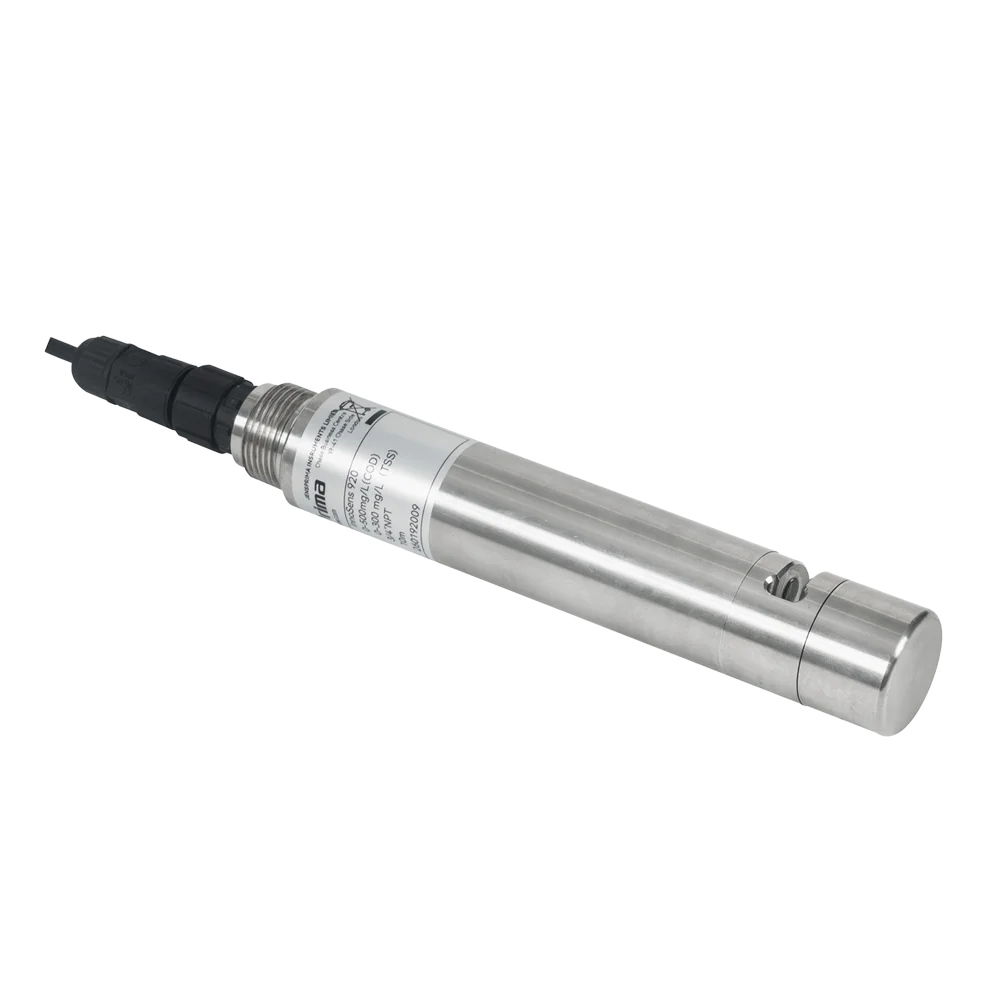
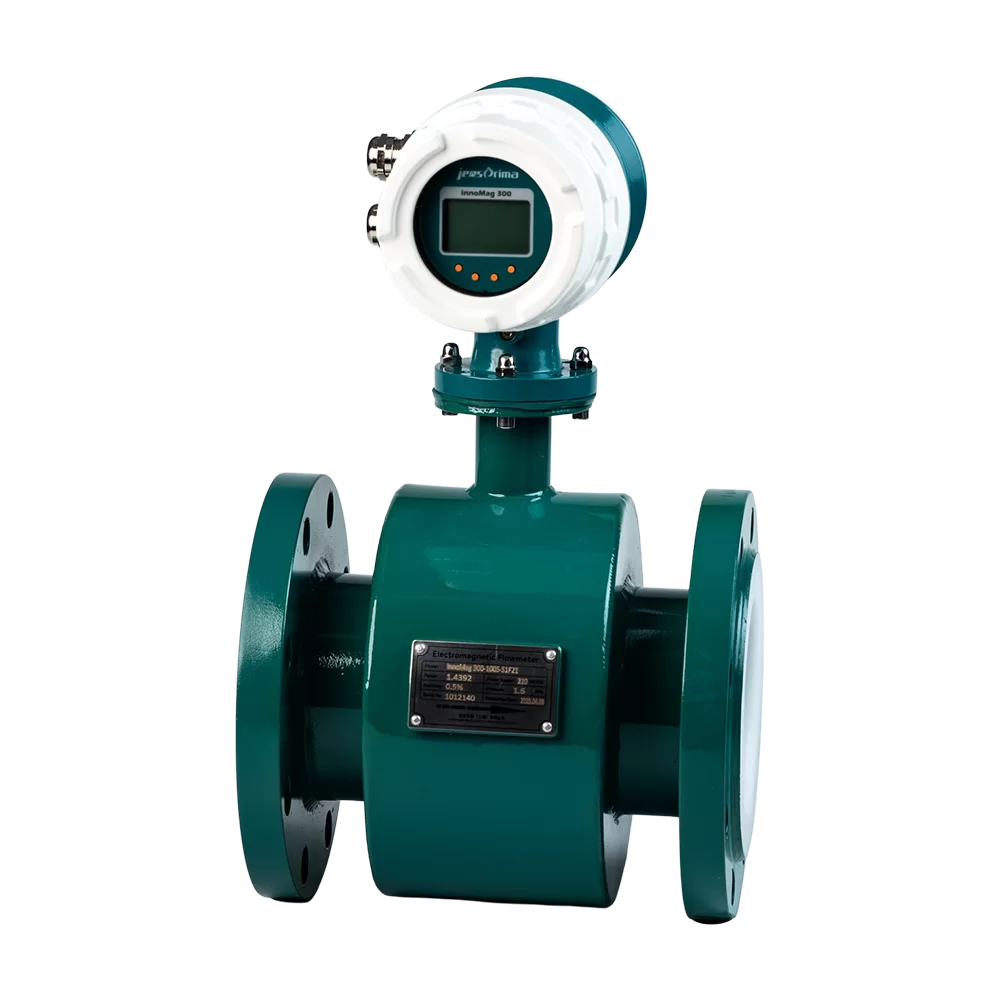
Simply put, a total chlorine analyzer measures the concentration of all chlorine species – free chlorine, combined chlorine, and chloramines – in a water sample. There are different technologies out there, from colorimetric methods to amperometric sensors, each with its pros and cons. Colorimetric systems generally require reagents, which add to maintenance, but they're often more accurate for low-level detection. Amperometric sensors are simpler to operate, but can be more susceptible to interference.
The important thing is to understand what you're measuring and why. Are you trying to optimize disinfection in a drinking water system? Or are you monitoring corrosion control in a cooling tower? The application dictates the necessary accuracy and sensitivity of the analyzer. It also effects what type of total chlorine analyzer will be the right fit for the job.
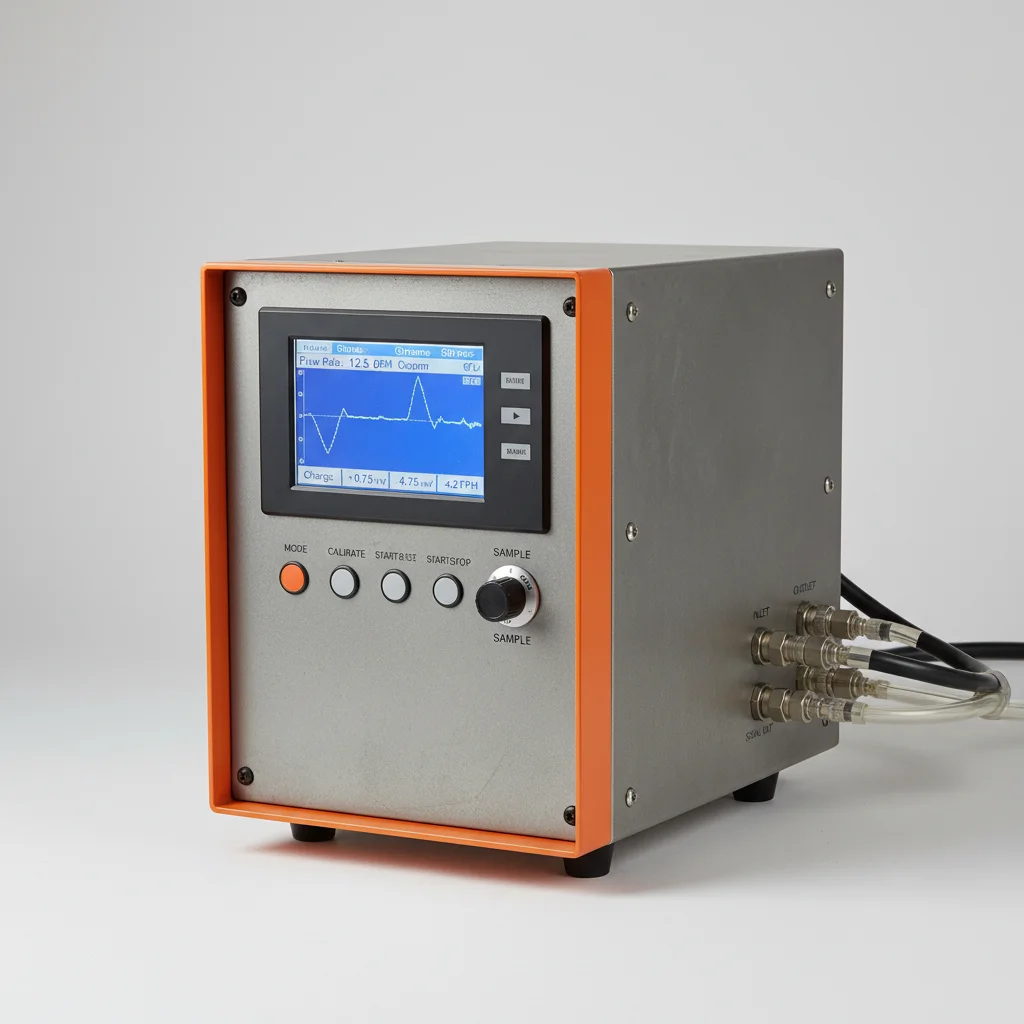
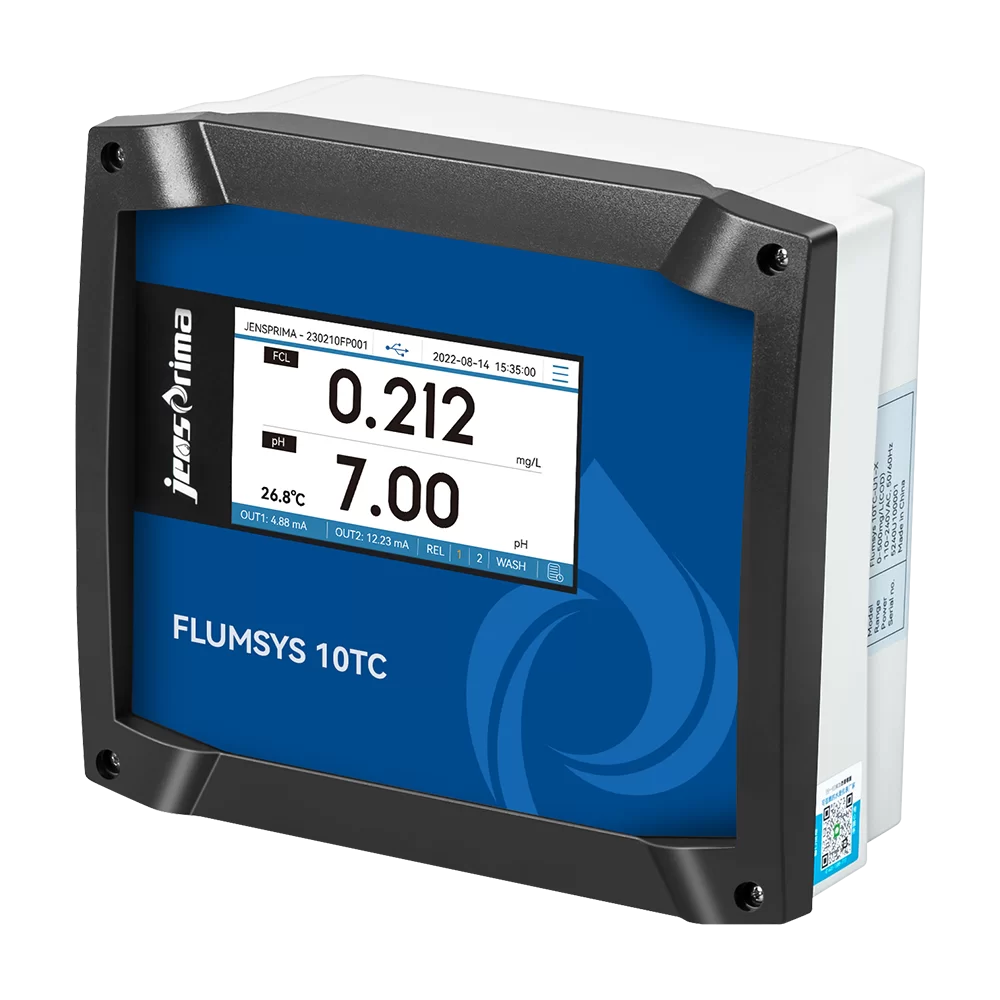
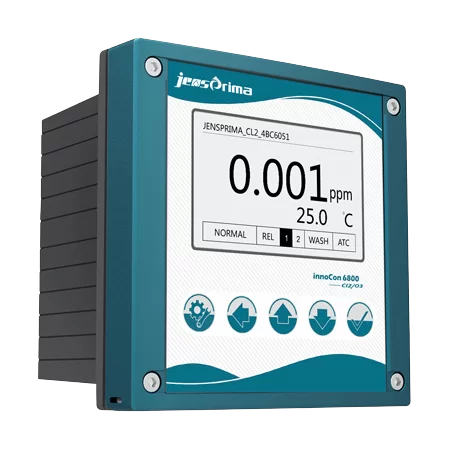
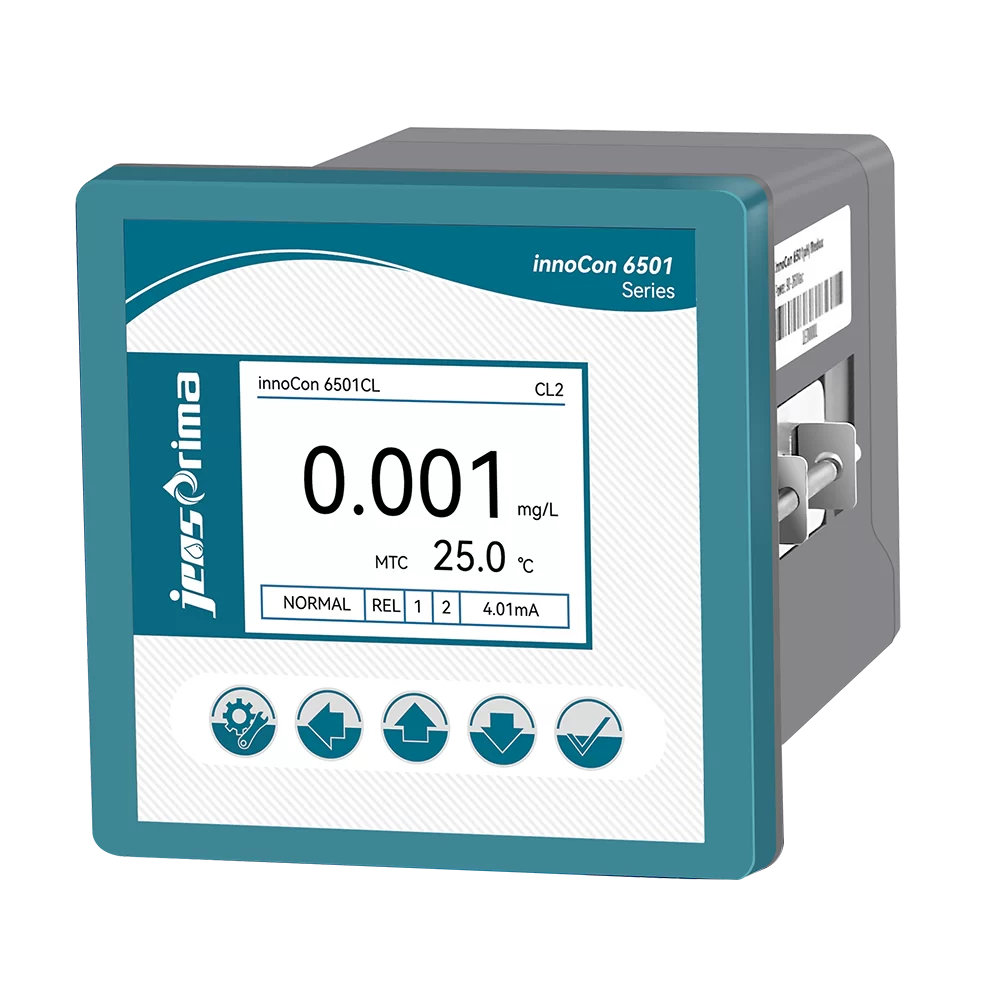
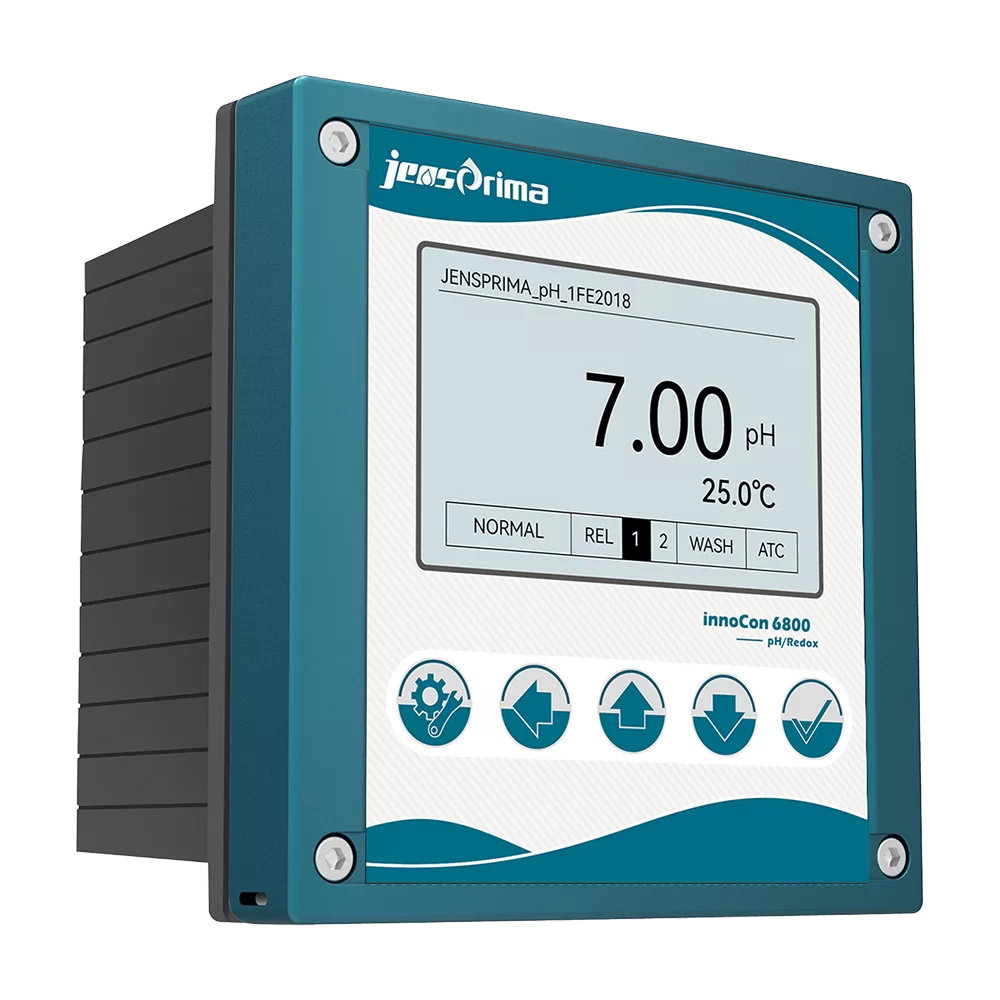
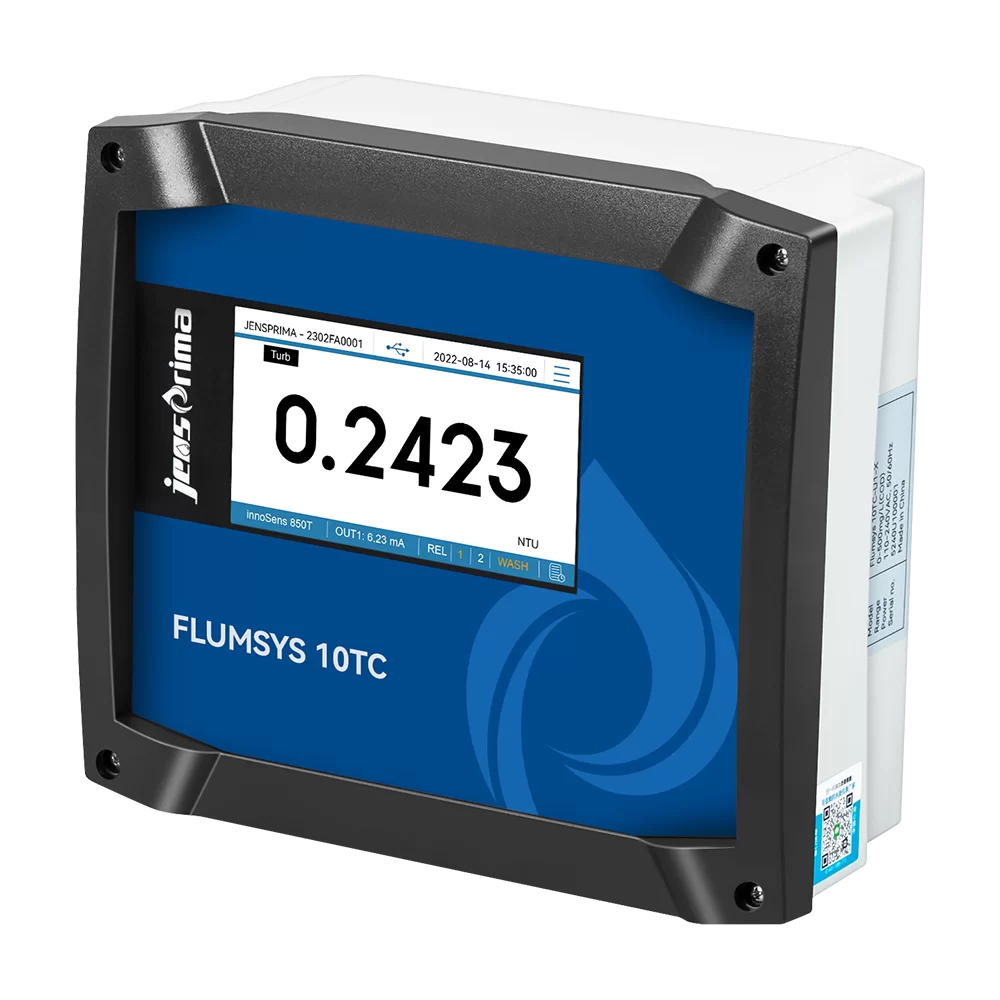
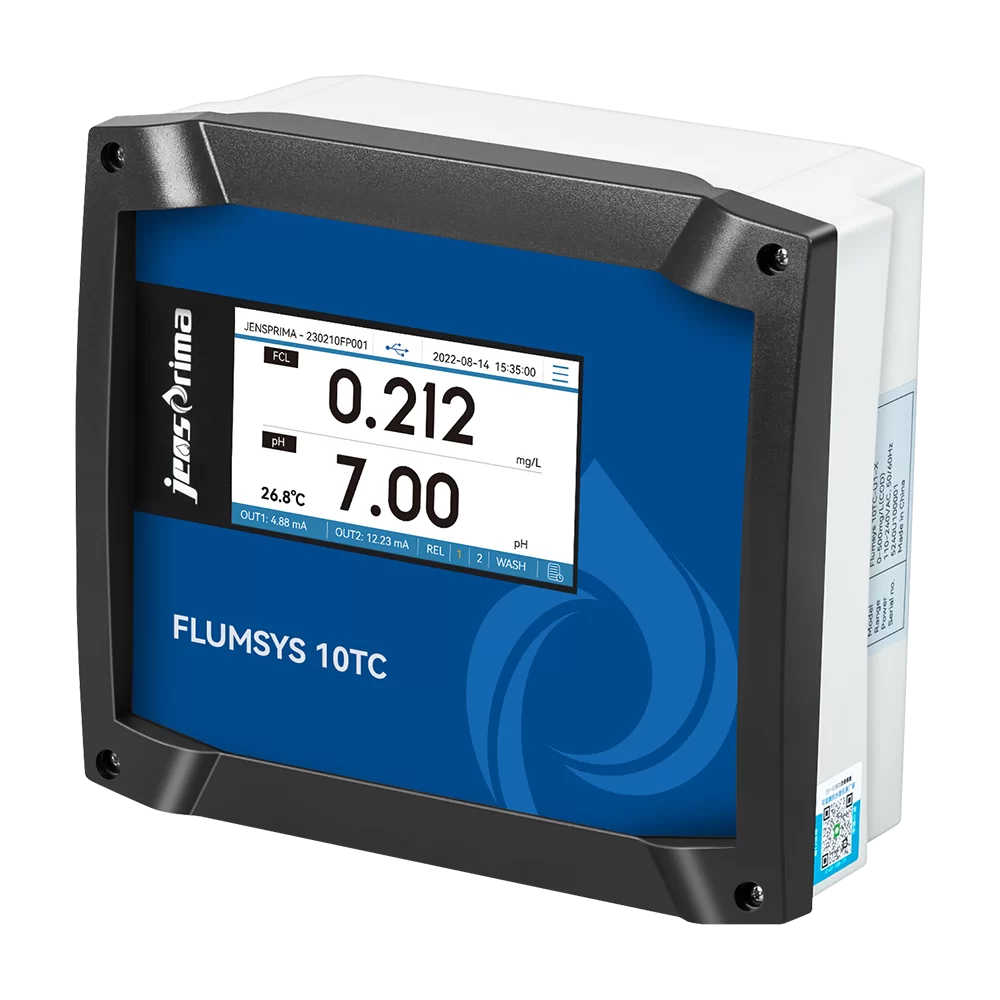
And let’s not forget about ease of use. I need something my team can operate and maintain without needing a Ph.D. in chemistry. Clear displays, straightforward calibration procedures, and readily available support are crucial. No one wants to spend hours troubleshooting a complicated instrument when there's work to be done.
Key Factors to Consider When Selecting a Total Chlorine Analyzer
Durability is paramount. These instruments aren’t sitting in a lab; they’re often exposed to harsh environments – rain, dust, temperature swings. Look for rugged housings, corrosion-resistant materials, and a design that can withstand the rigors of a construction site or industrial facility. A total chlorine analyzer that breaks down after a few months is just a waste of money.
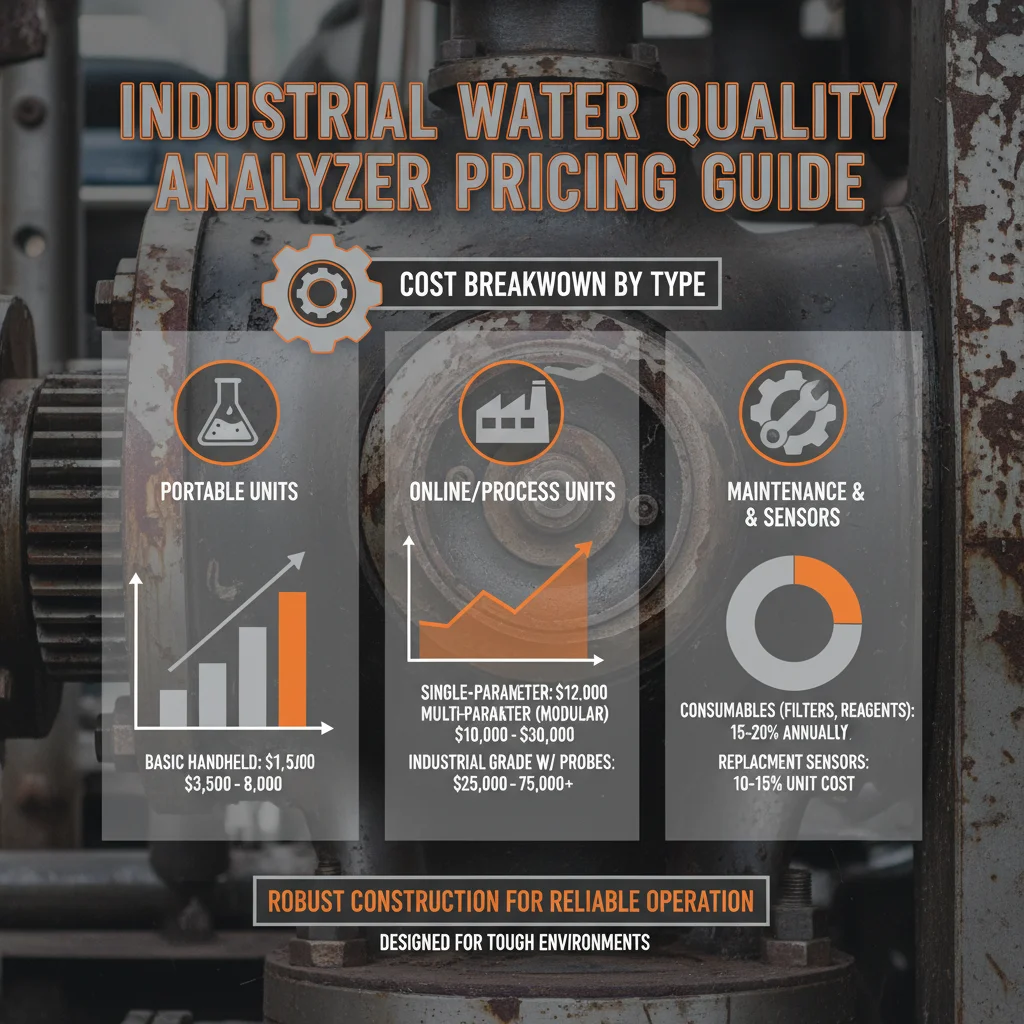
Accuracy and reliability are obviously key. You need to trust the readings you’re getting. Look for analyzers that are regularly calibrated and certified. Consider the sensor technology and its susceptibility to interference from other substances in the water. Don’t cheap out here; the cost of an inaccurate reading can far outweigh the price of a better analyzer.
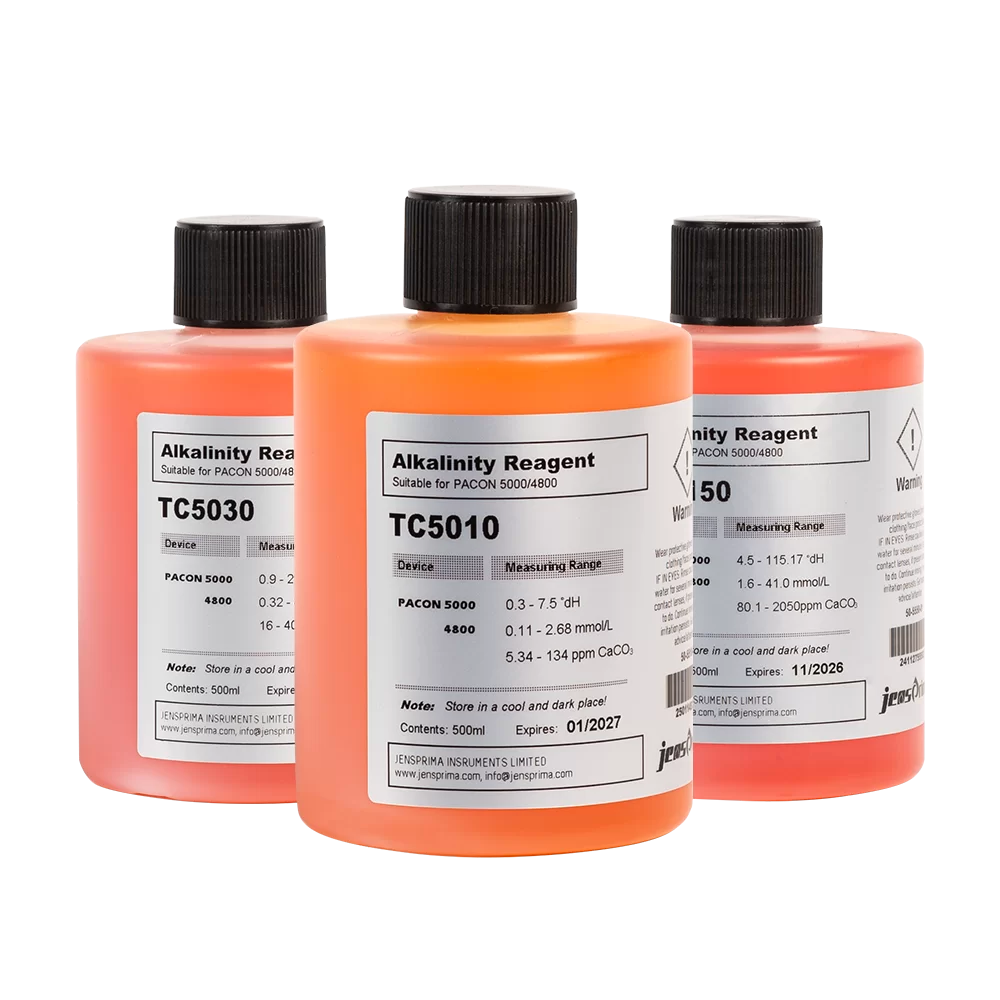
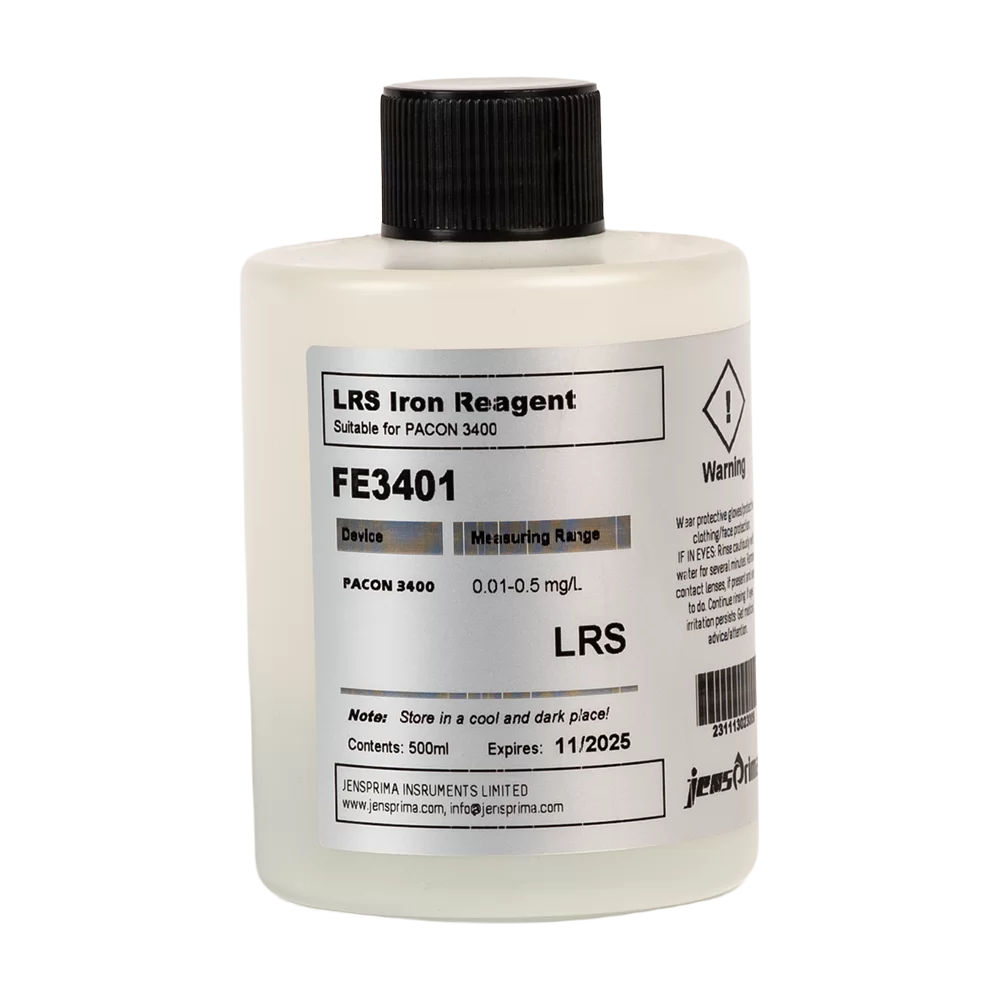
Maintenance requirements are another big factor. How often does the sensor need to be replaced or recalibrated? Are reagents required, and if so, how easy are they to obtain? Minimize maintenance to reduce downtime and operating costs. We need something that is reliable, not a constant headache.
Global Applications of Total Chlorine Analyzers
We’re seeing increased demand for total chlorine analyzer in developing countries, driven by a growing focus on water sanitation and public health. Ensuring safe drinking water is a global priority, and accurate chlorine monitoring is a fundamental part of that. In post-disaster relief operations, these analyzers are invaluable for assessing water quality and preventing outbreaks of waterborne diseases.
In the industrial sector, applications range from power plants and chemical processing facilities to food and beverage production. Anywhere water is used in a process, a total chlorine analyzer can help optimize performance, reduce costs, and ensure regulatory compliance.
Even in remote industrial zones, like oil and gas operations, these analyzers are essential for monitoring water quality in cooling systems and wastewater treatment plants, minimizing environmental impact and maximizing operational efficiency.
Total Chlorine Analyzer Performance Comparison
Advantages and Long-Term Value of Accurate Chlorine Monitoring
The most obvious benefit is cost savings. By optimizing chlorine usage, you can reduce chemical consumption and minimize wastewater treatment costs. But it goes beyond that. Preventing corrosion and biofouling extends the lifespan of equipment, reducing the need for costly repairs and replacements. And frankly, avoiding regulatory fines is a pretty good incentive too.
From a sustainability perspective, accurate chlorine monitoring minimizes the environmental impact of water treatment processes. Reducing chemical usage translates to less pollution and a smaller carbon footprint. This isn't just good for the planet; it's good for your company's reputation.
Future Trends and Innovations in Total Chlorine Analysis
We’re seeing a move towards more intelligent, connected total chlorine analyzer with remote monitoring and data analytics capabilities. This allows for real-time optimization of treatment processes and proactive identification of potential problems. Think of it as predictive maintenance for your water system.
There’s also a lot of research going into developing more sensitive and selective sensors that are less susceptible to interference and require less maintenance. Miniaturization and low-power consumption are also key trends, enabling the deployment of analyzers in remote and resource-constrained environments.
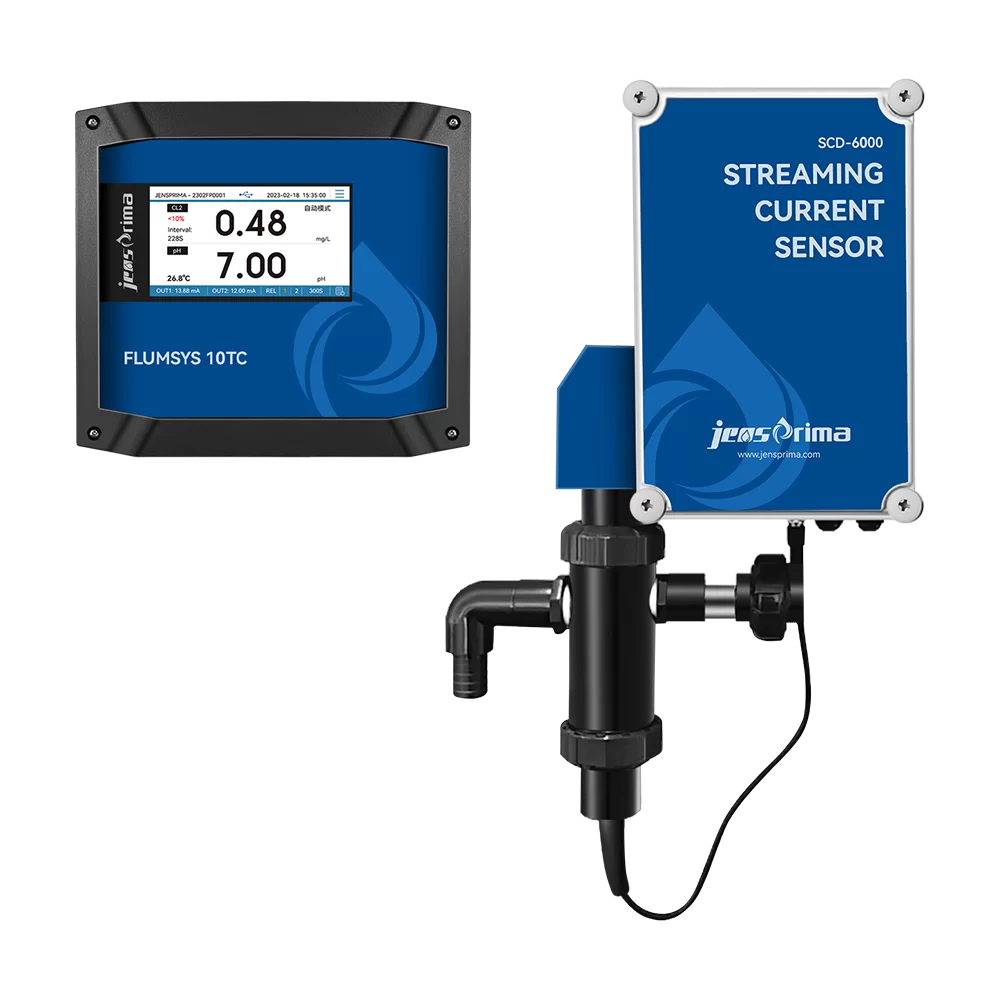
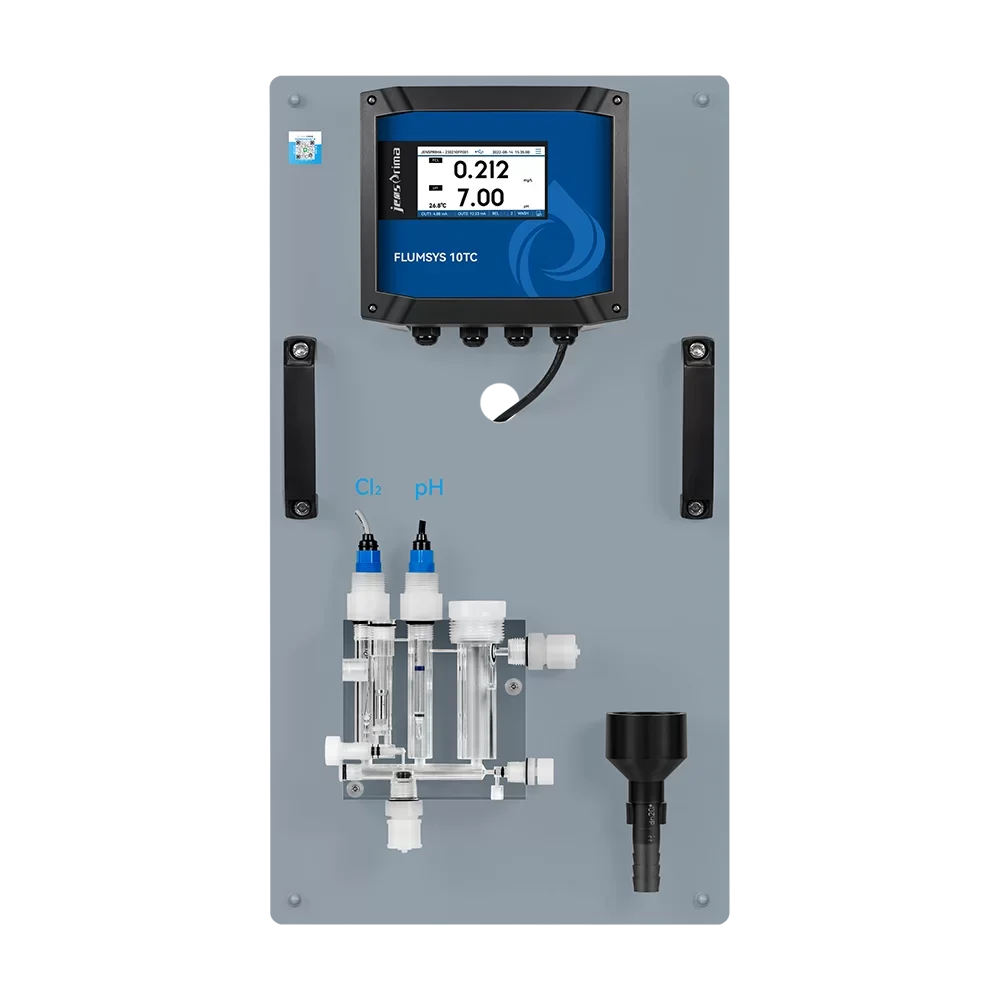
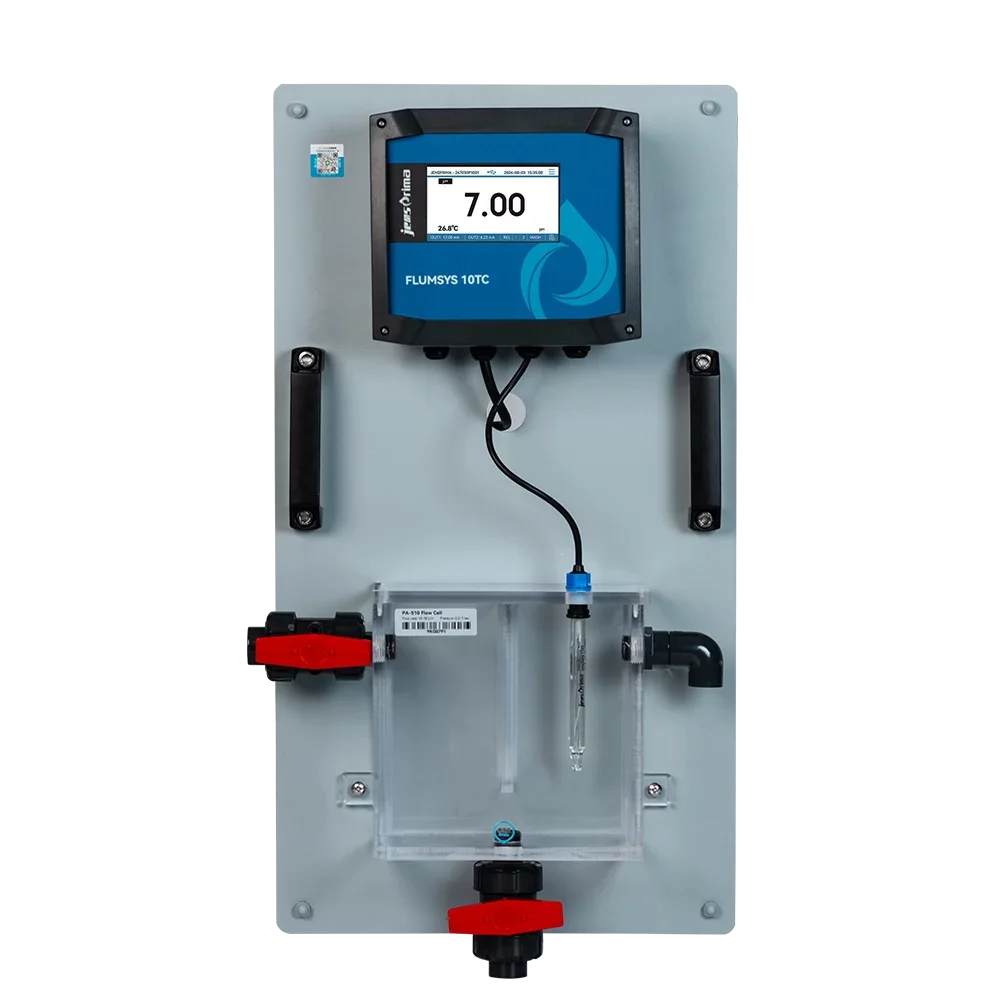
And finally, integrating total chlorine analysis with other water quality parameters – like pH, temperature, and turbidity – will provide a more holistic understanding of the system and enable more informed decision-making.
Challenges and Solutions in Total Chlorine Analyzer Deployment
One of the biggest challenges is dealing with complex water matrices that contain interfering substances. That’s where proper sensor selection and calibration are crucial. Another challenge is ensuring accurate and reliable measurements in harsh environments. Look for analyzers with robust housings and temperature compensation features.
Training and support are also key. Make sure your team has the knowledge and skills to operate and maintain the analyzer effectively. Choose a vendor that provides comprehensive training and ongoing support. We’ve had success with remote diagnostic tools that allow experts to troubleshoot issues without having to be on-site.
Finally, data management can be a challenge. Collecting and analyzing data from multiple analyzers can be overwhelming. Investing in a centralized data management system can help streamline the process and provide valuable insights.
Summary of Total Chlorine Analyzer Challenges and Solutions
| Challenge |
Impact on Operation |
Solution |
Implementation Cost (1-10) |
| Interfering Substances |
Inaccurate readings, false alarms |
Sensor selection, proper calibration |
3 |
| Harsh Environments |
Instrument damage, reduced lifespan |
Ruggedized housing, temperature compensation |
5 |
| Lack of Trained Personnel |
Improper operation, inaccurate data |
Comprehensive training programs |
4 |
| Data Management Complexity |
Difficulty in analysis, missed trends |
Centralized data management system |
7 |
| Reagent Stability (Colorimetric) |
Inaccurate Results, Increased Maintenance |
Proper Storage, automated reagent delivery |
2 |
| Sensor Drift (Amperometric) |
Long-term inaccuracy, calibration needs |
Regular calibration schedule, sensor replacement |
6 |
FAQS
Free chlorine is the available chlorine for disinfection, while total chlorine includes both free and combined chlorine. Monitoring both is crucial because combined chlorine is a weaker disinfectant and can create harmful byproducts. Accurate total chlorine measurement ensures optimal disinfection efficacy and minimizes health risks.
Calibration frequency depends on the analyzer type, application, and water quality. Generally, weekly or bi-weekly calibration is recommended. However, if you notice drift or inconsistent readings, calibrate immediately. Always follow the manufacturer's instructions for calibration procedures.
Maintenance varies by analyzer model but generally includes regular sensor cleaning, reagent replacement (for colorimetric analyzers), and periodic calibration. Also, inspect the housing and connections for any signs of damage or corrosion. Proactive maintenance extends the lifespan and accuracy of the analyzer.
Inaccurate readings can be caused by several factors, including sensor fouling, reagent contamination, interference from other water constituents, and improper calibration. Regular maintenance, proper sample handling, and selecting the right analyzer for the application can help minimize these issues.
Many total chlorine analyzer models are designed for outdoor use and can withstand harsh weather conditions. However, it’s vital to select a unit with a robust housing, appropriate temperature ratings, and protection against moisture and corrosion. Proper installation and shelter can also extend the analyzer's lifespan.
Start by defining your specific requirements – the range of chlorine concentrations you need to measure, the accuracy required, the water matrix complexity, and the environmental conditions. Then, compare different analyzer technologies (colorimetric, amperometric, etc.) based on these factors. Consider features like ease of use, maintenance requirements, and data logging capabilities. Consulting with an experienced water quality professional is also highly recommended.
Conclusion
From my years in the field, one thing is clear: a total chlorine analyzer isn’t just a piece of equipment; it’s a critical component of responsible water management. It protects public health, optimizes processes, and saves money. Investing in a reliable analyzer is a smart decision for any organization that relies on water – whether it's a municipality, an industrial facility, or a disaster relief agency.
Looking ahead, the future of total chlorine analysis lies in smarter, more connected systems that provide real-time data and predictive insights. By embracing these innovations, we can ensure that our water resources are managed effectively and sustainably for generations to come. To learn more about our total chlorine analyzer solutions, visit our website at www.jensprima.com.


 Download
 Video Center
 Technical Services
 FAQS
FAQS Service Network
 Privacy Policy
 Contact Us